
























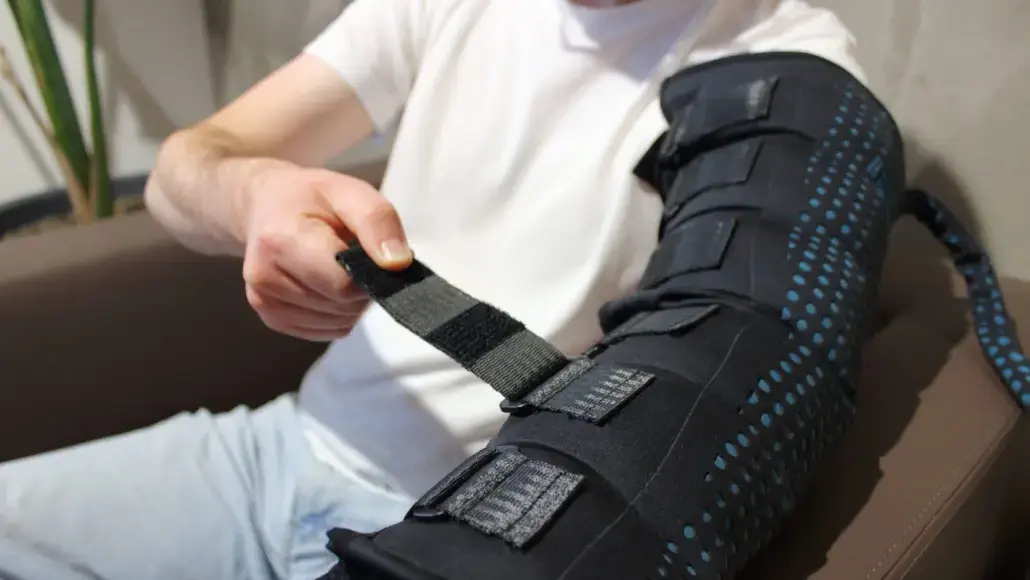
Tintex Textiles has developed an innovative textile sleeve that combines circular-knitted fabrics, soft robotics and sensing systems to support lymphedema rehabilitation
Lymphedema is a chronic condition characterized by swelling of the limbs caused by inefficient lymphatic drainage. Affecting approximately 250 million people worldwide, it causes great discomfort and has a significant impact on quality of life. One of the most common treatments is manual lymphatic drainage (MLD), performed by healthcare professionals. However, the need for regular treatment raises an important question:
could technology help make this care more accessible and frequent?
As part of the Health from Portugal (HfPT) Agenda, TINTEX Textiles, in collaboration with CeNTI, CITEVE and IPCA-2Ai, has developed a smart textile-based sleeve designed to address this challenge, combining textile engineering with sensing and actuation technologies.
At the heart of this development is a pneumatic system featuring inflatable cells that activate sequentially, applying controlled pressure to the affected limb and recreating the movements of manual lymphatic drainage. Based on the Leduc manual lymphatic drainage technique, the system is designed to deliver consistent and repeatable therapy, offering patients a complementary approach to conventional treatment.
To prioritize patient safety, the sleeve incorporates sensors that monitor the applied pressure to ensure the efficacy of the manoeuvre. The system is also connected to a mobile application, allowing treatment sessions to be recorded and monitored by healthcare providers. This functionality supports more frequent and consistent therapy while reducing dependence on clinic visits and the availability of healthcare professionals.
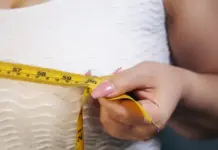
The device features a double-layered textile architecture, developed to combine effective pressure application with a comfortable experience for the user. The outer layer consists of a Double Face fabric, designed to direct pressure towards the limb while encapsulating the integrated actuation systems. In direct contact with the skin, an Interlock fabric was selected for its soft, breathable structure and thermal and moisture management properties, helping to minimize potential skin irritation. Functional finishes, including antibacterial and fast-drying treatments, further contribute to maintaining suitable conditions for the skin.
The sleeve also incorporates an adjustable fastening system, allowing adaptation to different users, limb measurements and stages of the condition. Throughout its development, the project benefited from the involvement of healthcare organizations, ensuring that the solution solves real patient needs.
Promising Results for Textile-Based Rehabilitation
The obtained results highlight the potential of integrating soft robotics into textile structures to develop personalized rehabilitation solutions. Prototype testing demonstrated that the forces applied by the system remained within the range recorded using instrumentation on a certified therapist, meeting safety requirements. The breathability of the textile materials also helped maintain a stable temperature throughout the procedure. Additionally, force sensors captured the pressure patterns associated with the Call and Reabsorption phases of manual lymphatic drainage. Usability testing with the target audience, i.e., volunteers and occupational therapists, showed high product acceptance, achieving the desired functionality and confirming product’s ease of use, comfort and
perceived safety.
These findings demonstrate the potential to transform lymphedema care, merging advanced textile design, clinical methodologies, soft robotics and digital health, to deliver reliable and consistent complementary therapy, enabling user autonomy and reducing dependence on clinical availability.
Further Developments in Healthcare by Tintex Textiles
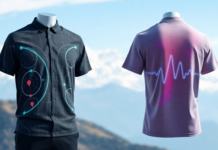
The smart textile sleeve is one of several developments carried out within the Health from Portugal (HfPT) initiative. Other solutions have also been developed as part of the project, including a long sleeve shirt for people with dermatitis, further demonstrating the potential of textile innovation in healthcare applications.
This work was developed within the scope of the Health from Portugal – HfPT Agenda co-financed by the Recovery and Resilience Plan (RRP) and the European funds NextGenerationEU, through the Incentive System “Agendas for Business Innovation”.

