
















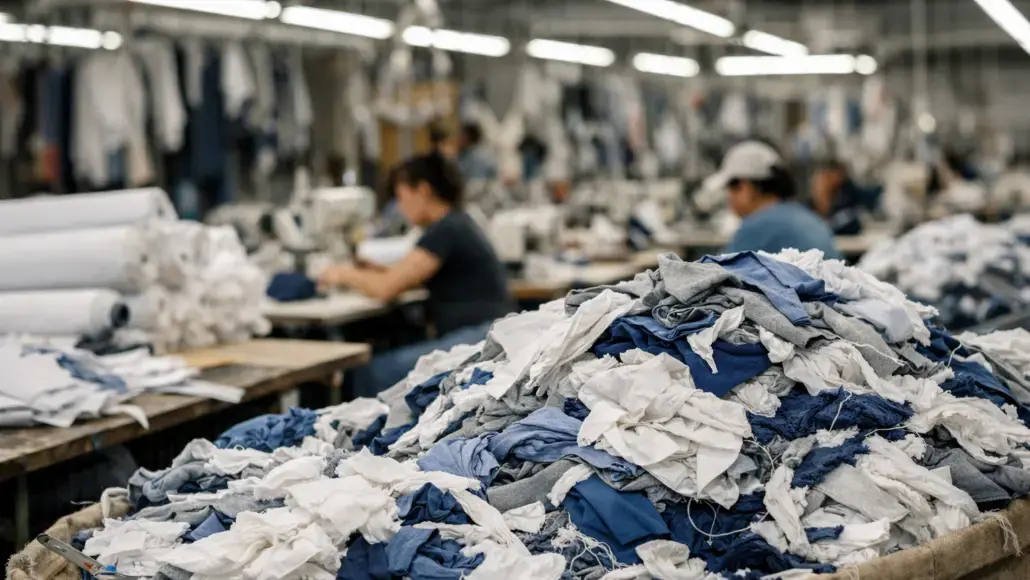
The fashion industry has long been under the spotlight for its environmental impact, but one of its most overlooked problems is happening long before a garment ever reaches a store shelf. A staggering amount of fabric and raw material is lost during the production process itself — and the scale of this fashion textile waste is far greater than most consumers realize.
The Fashion Industry’s Growing Environmental Toll
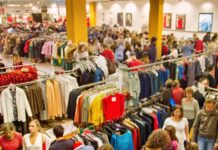
Over the past several decades, the way clothes are produced, consumed and discarded has placed a mounting burden on the planet. The fashion industry currently accounts for over 10 percent of global greenhouse gas emissions each year. The rapid growth of fast fashion has only deepened this crisis, with low-quality garments designed to match constantly shifting trends and then thrown away rather than recycled or reused.
The production of virtually all textiles demands significant volumes of water, chemicals and energy — all of which add further weight to the industry’s already heavy environmental footprint.
What Is Textile Waste, and Why Does It Matter?
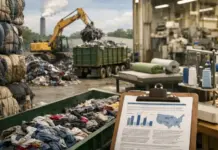
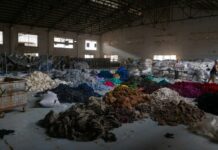
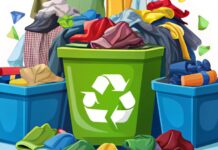
Textile waste refers to all discarded natural or synthetic materials across the lifecycle of clothing. These materials can take decades to fully decompose, contributing to landfill saturation, pollution and environmental contamination.
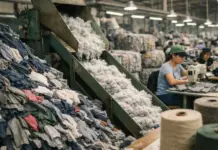
Textile waste is broadly categorized into two types. Pre-consumer textile waste is material that is discarded before garments ever reach shoppers — this includes fabric scraps, production rejects and unsold inventory. Post-consumer textile waste, by contrast, involves items that have already been used and then thrown away by consumers. Post-consumer waste is particularly difficult to manage due to the complexity of dyed fabrics, blended fibers, attached hardware and various decorative elements.
Nearly Half the Fabric Is Lost in Production Alone
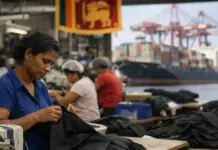
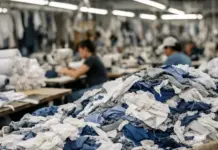
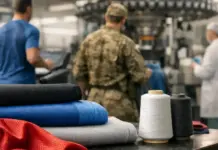
While the majority of textile waste occurs after a garment has been sold, a considerable share is lost well before that point. According to Rakib Ahmed, a researcher at SINTEF Industry, approximately 44 percent of material is lost as early as the production stages. This pre-consumer waste stems from rejected designs, defective items and unsold surplus stock — most of which is incinerated rather than recycled or reused.
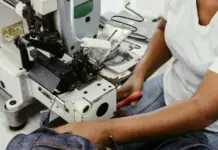
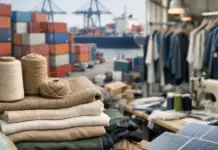
The losses begin at the very first step of the clothing cycle. The process of converting raw materials into yarn through spinning and ginning generates discarded scraps from the outset. Subsequent stages — including dyeing, printing and weaving — compound the problem further, as errors at these stages typically cannot be corrected and the materials involved are simply discarded. When fabric is eventually cut and shaped into garments, additional off-cuts are produced, and these remnants are often too small to be repurposed or recycled.
Turning the Tide: What the Industry Can Do
Addressing fashion textile waste at the production level requires a fundamental shift in how manufacturers approach material use. Producers can work toward increasing the recycling of materials while actively reducing the volume of pre-consumer waste generated at each stage of manufacturing.
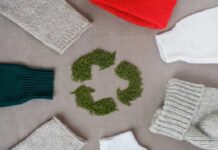
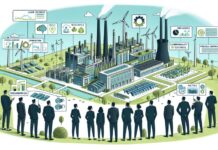
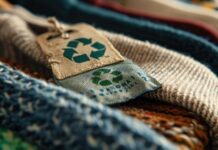
One of the most promising frameworks for achieving this is the circular fashion model. By designing production processes that minimize waste and keep materials in use for as long as possible — particularly during yarn production and raw material processing — the industry could reduce its greenhouse gas emissions by approximately 10 percent.
What Consumers Can Do Right Now
Individual choices carry real weight in shaping industry practices. Supporting brands that take a responsible approach to both pre-consumer and post-consumer textile waste — such as Patagonia, Madewell and The North Face — sends a clear market signal. Advocating for policy changes that hold the fashion sector to higher environmental standards can also drive systemic change at scale.
On a personal level, consumers can reduce their own contribution to post-consumer waste by repurposing old clothing or donating garments that are no longer needed. Both approaches support a circular fashion model and help slow the flow of materials into landfills.
Fast fashion may dominate today’s market, but the costs embedded in every garment — costs that begin accumulating long before a product is even finished — are becoming impossible to ignore. Reducing greenhouse gas emissions from clothing production starts with confronting the waste that happens before anyone ever opens their wardrobe.