






























For nations heavily reliant on a limited number of export markets, the imperative to re-evaluate and broaden export strategies becomes paramount. Indonesia, a globally recognized leader in textile and garment manufacturing, is navigating these challenges, intensifying its efforts to secure a more resilient economic future.
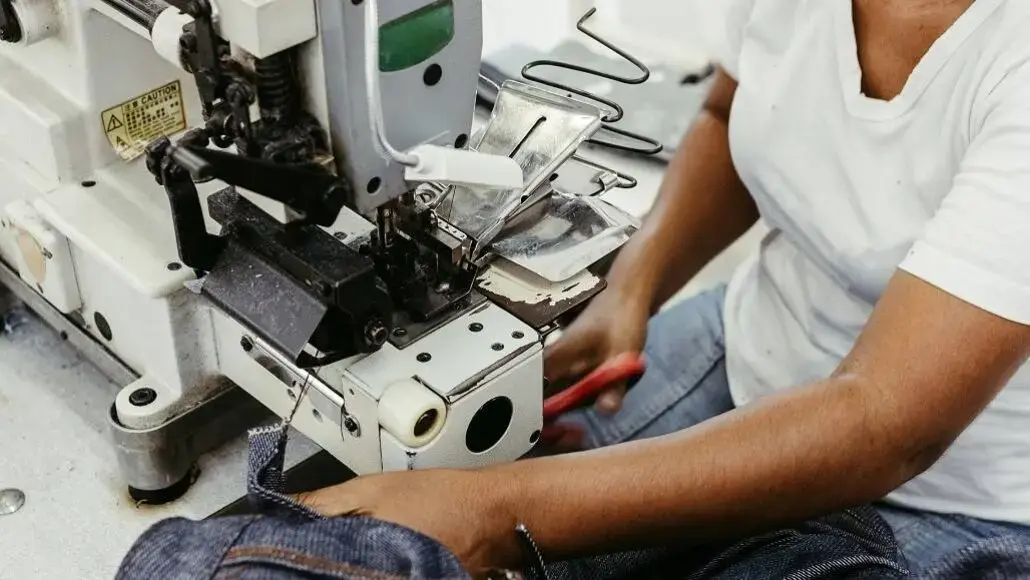
Indonesia’s textile industry consistently ranks among the top ten producers worldwide, benefiting from an integrated value chain that spans from raw fibre to finished apparel. This robust ecosystem, supported by an estimated workforce exceeding 3.5 million, has historically positioned Indonesia as a cost-efficient sourcing hub for international buyers. However, this inherent strength is now being tested by escalating competition from regional powerhouses such as China, Bangladesh, and Vietnam.
Beyond competitive pressures, a critical challenge for Indonesia lies in its substantial dependence on a narrow group of export destinations. The United States, by some estimates, accounts for more than half of Indonesian garment exports, making it the single largest market. While this concentration has fueled historical growth, it also renders Indonesia highly susceptible to fluctuations in tariffs, trade restrictions, and policy shifts within the US market. In today’s volatile global trade environment, an over-reliance on any single market can swiftly transform from a strategic advantage into a significant vulnerability.
Strategic Market Diversification Initiatives Underway
In response to these realities, Indonesia is proactively working to strengthen its global trade standing through robust market diversification initiatives and strategic trade agreements. The government keenly recognizes that sustained success will depend not only on manufacturing efficiency but also on securing broader market access and cultivating stronger trade relationships across multiple regions.
Coordinating Minister for Economic Affairs Airlangga Hartarto recently underscored the government’s steadfast commitment to expanding export markets. This commitment forms an integral part of its strategy to maintain economic growth amidst pervasive global uncertainty. Hartarto emphasized that broadening international market access has become a primary governmental response to slowing exports and dynamic global economic shifts, highlighting the critical need for Indonesia export diversification.
A major focus area for Indonesia is the European Union. Reports indicate that the government is actively engaged in discussions with the EU to expedite the ratification of a pivotal trade agreement designed to significantly enhance Indonesia’s export competitiveness. Minister Hartarto stated that this complex process is currently in the technical completion stage, including the translation of essential documents into 22 European languages. If the agreement proceeds as anticipated, Indonesian products could potentially gain entry into European markets with zero tariffs as early as January of next year, providing a substantial boost to Indonesia exports.
Expanding Trade Horizons Beyond Traditional Markets
Beyond its engagement with the EU, Indonesia is also concentrating on maximizing trade cooperation with countries like Canada, where an existing free trade agreement is already in place. Simultaneously, efforts to deepen economic engagement with the United Kingdom, through either a Free Trade Agreement (FTA) or a Comprehensive Economic Partnership Agreement (CEPA), are reportedly gaining momentum. These bilateral efforts are central to Indonesia’s broader strategy of market diversification.
The message for Indonesia is unequivocally clear: in a rapidly evolving global trade landscape, competitiveness will transcend mere production capabilities or labor advantages. The future belongs to those nations that can adeptly combine manufacturing strength with strategic trade diplomacy, a broadened network of diversified markets, and the agility to adapt to shifting global realities. The robust Indonesia export diversification strategy is key to securing its future.

