



























The global anti-static fibres market is on a path of consistent growth, with projections indicating its value will climb from USD 404.8 million in 2026 to USD 711.4 million by 2036. According to a recent market analysis, this expansion represents a compound annual growth rate (CAGR) of 5.8% over the forecast period, highlighting the increasing importance of these specialized materials.
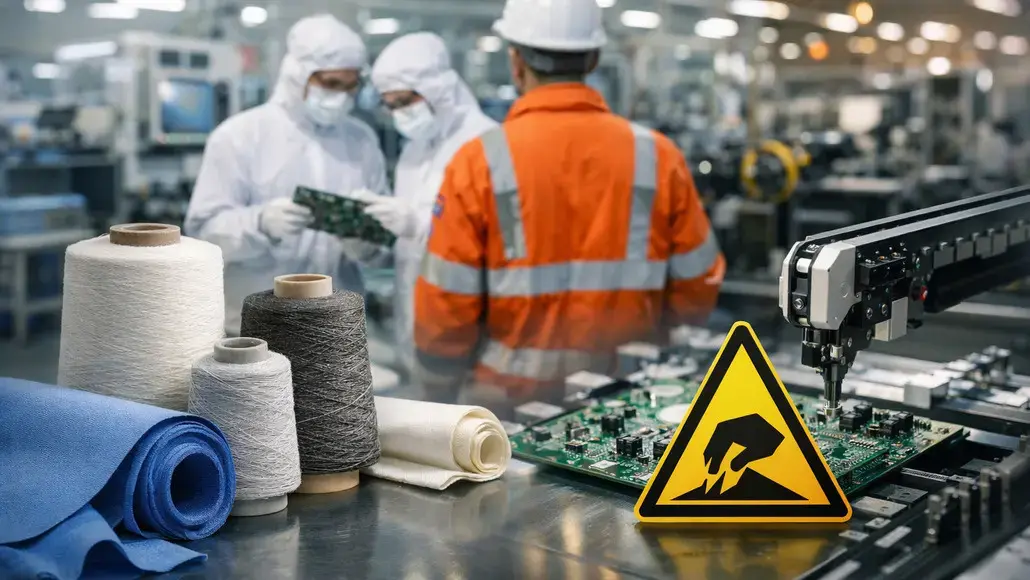
This upward trend is primarily propelled by a rising need for effective electrostatic discharge (ESD protection) across a multitude of industries. As technology advances, the demand for anti-static fibres becomes more critical, especially within electronics manufacturing, cleanroom environments, and applications requiring stringent industrial safety protocols. Industries are increasingly focused on operational integrity, contamination control, and regulatory compliance, making anti-static fibres essential components in packaging, industrial textiles, and protective clothing.
Market Drivers and Sector-Specific Demands
The sustained growth of the anti-static fibres market is rooted in the expansion of key global sectors.
Core Growth Factors
The push for materials that offer a reliable combination of conductivity, durability, and compatibility is accelerating demand. The expansion of the semiconductor and electronics assembly sectors necessitates ESD-safe packaging and garments to safeguard sensitive components. Furthermore, stringent workplace regulations, including OSHA and ATEX compliance standards, are mandating the use of anti-static protective wear and industrial textiles in potentially hazardous environments. This focus on industrial safety is a significant catalyst for market growth. The parallel rise in demand for cleanroom textiles from pharmaceutical, semiconductor, and display manufacturing facilities also contributes heavily to market expansion.
Product and Application Landscape
A closer look at market segmentation reveals clear leaders in both product type and application, underscoring current industry priorities.
Polyester Leads as Preferred Material
Polyester is expected to dominate the market, accounting for a 39.2% share in 2026. Its leadership position is secured by a favorable balance of cost and performance, exceptional durability, and wide-ranging compatibility across various industrial uses. Its established presence in packaging and textiles continues to fortify its market dominance.
Packaging Industry Remains Top Application
The packaging industry is the largest consumer, projected to hold a 42.7% market share in 2026. This is largely due to the high demand for ESD protection solutions within the electronics and semiconductor supply chains to ensure product safety during transit and storage. Other significant applications include industrial garments, cleanroom textiles, and materials for the broader electronics manufacturing sector.
Navigating Challenges and Uncovering Opportunities
Despite a positive outlook, the market faces operational hurdles, including fluctuations in raw material prices and ongoing supply chain instabilities. Manufacturers also contend with margin pressures in commodity-grade segments and the complexity of meeting evolving compliance standards.
However, these challenges are met with emerging opportunities. There is a growing demand for sustainable anti-static fibres made from recycled content. The increasing integration of electronics in automobiles is creating new demand for ESD-safe manufacturing materials. Additionally, innovations in smart textiles and growing cleanroom infrastructure in the healthcare and pharmaceutical sectors are opening new avenues for growth and application.
Global Expansion and Competitive Outlook
Geographically, market expansion is led by advanced manufacturing economies in Asia and North America. The United States is projected to see a 6.2% CAGR, supported by its expanding semiconductor and aerospace industries. Similarly, South Korea (6.1% CAGR) and Japan (6.0% CAGR) show strong growth driven by their robust electronics sectors.
The competitive landscape is moderately consolidated, with leading companies competing on the basis of product consistency, distribution networks, and technical support. As the market evolves, a focus on sustainability, regulatory compliance, and supply chain reliability will become key differentiators for success.