



























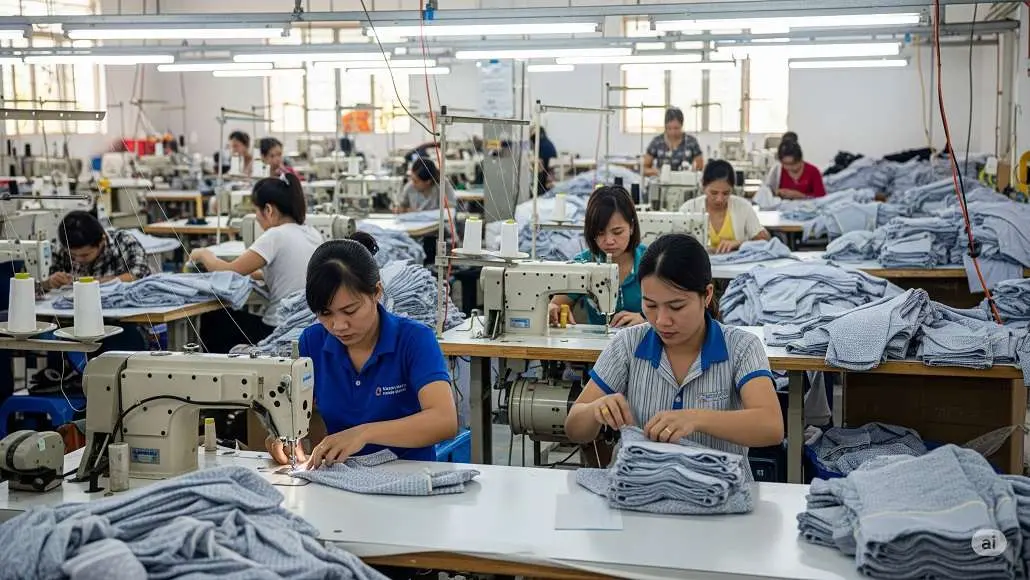
The manufacturing landscape in Cambodia is undergoing a significant transition as the nation moves beyond its traditional reliance on low-cost labor. Recent industry data indicates that the sector is increasingly prioritizing product diversification to secure its position in the global supply chain. This strategic shift is designed to move the production focus from basic garments to more complex, high-value items such as outerwear, travel goods, and specialized activewear.
The evolution of Cambodia apparel exports has been marked by a steady increase in volume and value. While basic knitwear remains a staple, the integration of advanced production techniques has allowed factories to handle more sophisticated orders. This transition is a critical element of the broader garment industry growth observed across the region, as international buyers seek suppliers capable of delivering diverse product categories under one roof.
Strategic Framework for Industrial Advancement
To support this transition, the government has implemented the Cambodia Garment, Footwear and Travel Goods Sector Development Strategy 2022-2027. This textile sector strategy provides a roadmap for upgrading the industrial base, focusing on human resource development and the improvement of working conditions. By aligning local capabilities with international standards, the strategy aims to attract higher levels of foreign direct investment into specialized manufacturing segments.
A central pillar of this textile sector strategy is the promotion of sustainable manufacturing practices. Global brands are increasingly demanding transparency and environmental responsibility from their partners. Consequently, factories in Cambodia are adopting energy-efficient technologies and waste reduction protocols to meet these rigorous compliance requirements. The adoption of sustainable manufacturing is no longer optional but a necessity for maintaining long-term partnerships with major Western retailers.
Trade Agreements and Market Expansion
The success of Cambodia garment diversification is also tied to the country’s participation in various regional trade pacts. Agreements such as the Regional Comprehensive Economic Partnership (RCEP) and the Cambodia-China Free Trade Agreement (CCFTA) have opened new avenues for trade. These frameworks facilitate easier access to raw materials and provide preferential tariffs for Cambodia apparel exports, making the nation’s goods more competitive against other manufacturing hubs.
Despite the positive trajectory of garment industry growth, the sector faces ongoing challenges, including fluctuating energy costs and logistical bottlenecks. However, the continued emphasis on product diversification and the modernization of infrastructure are expected to mitigate these risks. By focusing on high-margin products and operational efficiency, the industry is positioning itself to remain a vital contributor to the national economy. The ongoing Cambodia garment diversification efforts reflect a maturing market that is adapting to the complexities of modern global trade.

