





























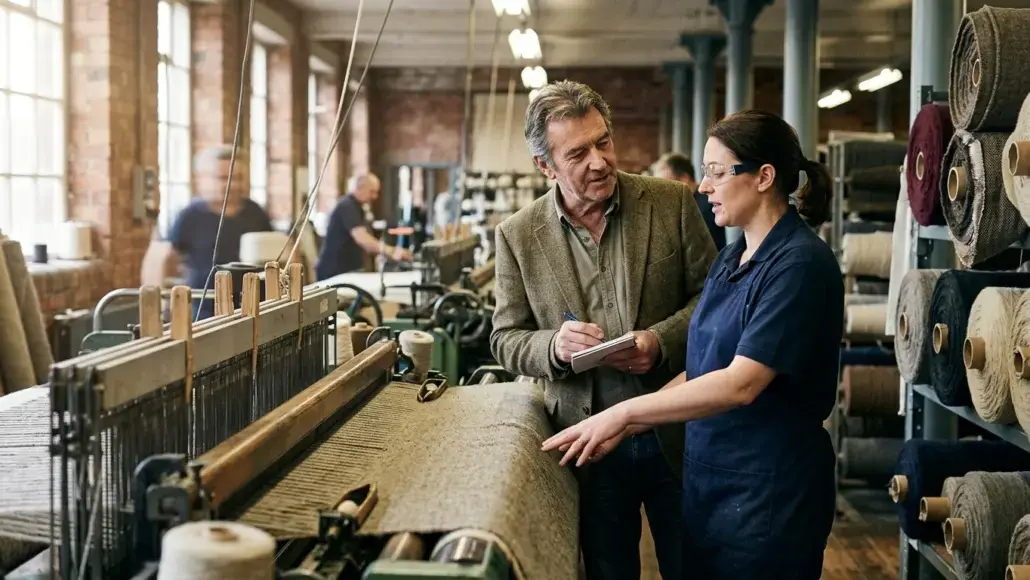
The UK Fashion and Textile Association (UKFT) has formally called for a significant overhaul of how the government handles domestic tenders. The industry body contends that the current public procurement rules place a disproportionate emphasis on the lowest immediate costs, frequently ignoring the broader economic advantages provided by British manufacturing. These benefits include enhanced supply chain resilience, increased tax revenues, and the creation of skilled employment opportunities within the United Kingdom.
Addressing Disparities in Government Contracts
According to a recently released position paper, UK textile manufacturing firms are often sidelined during the bidding process for government contracts. This occurs even when these companies provide high-quality products that remain competitive on an international scale. The UKFT highlighted a notable discrepancy: while domestic manufacturers successfully supply technical and defense textiles to various NATO partners, they frequently encounter obstacles when attempting to secure similar agreements within their home market.
Proposed Strategic Recommendations
To rectify these issues, the UKFT has outlined several critical recommendations aimed at the Treasury and procurement officials. These include:
1. Reforming Treasury value-for-money guidance to account for long-term economic value.
2. Establishing greater recognition for strategic manufacturing sectors.
3. Improving transparency throughout the public procurement lifecycle.
4. Strengthening the engagement between government departments and industrial partners.
5. Increasing the weighting of domestic manufacturing capability during the contract award process.
Broader Implications for the UK Fashion Industry
While the immediate focus of the report centers on defense-related textiles, the UKFT noted that the barriers identified are prevalent across the wider UK fashion industry and general manufacturing sectors. By addressing these systemic hurdles, the organization believes the government can better support supply chain resilience and foster an environment conducive to long-term investment and innovation. The association is currently collaborating with partners, including the CBI, to advocate for a more supportive regulatory landscape.
A Call for Urgent Policy Change
Adam Mansell, Chief Executive Officer of UKFT, emphasized the necessity of these changes for the future of the sector. He stated that the campaign to alter public procurement rules is a vital step in educating the government on the advantages of purchasing British-made goods. Mansell indicated that the association intends to brief the new Prime Minister on the urgent need for reform to bolster the UK fashion industry and the wider economy.
The UKFT remains committed to working alongside ministers and Parliament to ensure that future UK textile manufacturing policy delivers genuine value for taxpayers and provides a stable foundation for British manufacturing. The organization continues to push for government contracts that prioritize the long-term health of the United Kingdom’s industrial base.