


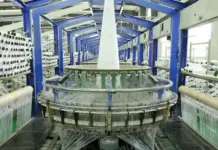







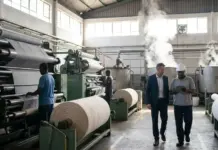






















The landscape of the technical textiles industry is undergoing a significant transformation, with new data suggesting a period of sustained expansion through the end of the decade. According to the latest market research from BCC Research, the sector is valued at $228.7 billion in 2025 and is projected to climb to $318.7 billion by 2031. This trajectory represents a compound annual growth rate (CAGR) of 5.9% during the forecast period of 2026 to 2031. This robust Technical Textiles Market Growth is largely attributed to the intensifying adoption of high-performance materials across critical sectors such as healthcare, automotive, and infrastructure.
Regional Dominance and Strategic Industrial Incentives
Currently, the Asia-Pacific region maintains a commanding position, holding 38.1% of the global market share. This dominance is supported by extensive manufacturing infrastructure and competitive labor costs. A notable driver within this region is India’s strategic focus on scaling domestic capacity. The Indian government’s Production Linked Incentive (PLI) scheme has approved approximately $1.2 to $1.3 billion in incentives to bolster the technical textiles industry. These policy frameworks are designed to enhance supply chain resilience and meet the rising global demand for specialized fabrics used in industrial and geological applications.
Sector Drivers: Mobiltech and Medtech Expansion
The automotive sector is witnessing a rapid shift toward electric vehicles (EVs) and fuel-efficient designs, which has significantly increased mobiltech demand. To meet strict carbon emission regulations, manufacturers are increasingly substituting traditional metals with technical textiles. These materials are favored for their durability, reduced weight, and economic benefits. Simultaneously, the healthcare sector is fueling growth through diverse medtech applications. Rising global healthcare spending and a higher volume of surgical procedures are driving the need for technical fabrics in wound dressings, sutures, implants, and wearable health monitors.
Technological Innovations in Advanced Manufacturing
Future growth is also heavily reliant on advanced manufacturing techniques that enhance product functionality. The integration of nanotechnology is expected to grow at a CAGR of 7.3%, while 3D weaving technologies are projected to see a 6.7% growth rate through 2031. Innovations such as Metal-Organic Framework materials for self-decontaminating fabrics and the development of smart e-textiles are expanding the boundaries of what these materials can achieve.
As the industry evolves, the continued Technical Textiles Market Growth will be defined by the ability to deliver high-performance materials that meet the rigorous standards of modern engineering. From mobiltech demand in the transportation sector to sophisticated medtech applications in hospitals, the technical textiles industry remains a cornerstone of advanced manufacturing and global industrial development.

