







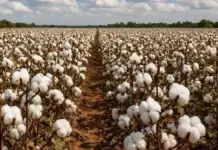






















The global textile and fashion industry has long been recognized as one of the most environmentally intensive sectors on the planet. But as pressure mounts from regulators, consumers, and investors alike, the conversation around how to meaningfully reduce textile emissions has taken on renewed urgency. Among the solutions gaining traction is the use of carbon credits — a market-based mechanism that some believe could play a meaningful role in helping fashion brands reduce their carbon footprint while the industry works toward deeper structural change.
The Scale of the Problem
The numbers are difficult to ignore. The textile industry is responsible for a significant share of global greenhouse gas emissions, with estimates frequently placing the sector’s contribution at roughly 8 to 10 percent of total global carbon output annually. That figure surpasses the combined emissions from international aviation and maritime shipping — two industries that already face intense scrutiny over their environmental records.
What makes textile emissions particularly complex is the sheer breadth of the supply chain involved. From the cultivation of raw fibers — whether natural or synthetic — to dyeing, finishing, manufacturing, transportation, and ultimately disposal, each stage of a garment’s lifecycle carries its own carbon burden. Synthetic fabrics derived from fossil fuels are especially emissions-intensive, and with global demand for clothing continuing to rise, the industry’s overall footprint is trending upward rather than down.
Fast fashion, in particular, has accelerated this trajectory. The model of producing high volumes of low-cost clothing at rapid turnover rates has significantly amplified consumption patterns, leading to more manufacturing, more waste, and more emissions. Despite growing consumer awareness around sustainable fashion, purchasing habits at a global scale have not shifted dramatically enough to reverse the emissions curve.
Carbon Credits Enter the Picture
Against this backdrop, carbon credits have emerged as a tool that some within the textile sector are beginning to explore more seriously. A carbon credit, in its simplest form, represents one metric tonne of carbon dioxide either removed from the atmosphere or prevented from entering it. Companies purchase these credits to offset emissions they have not yet been able to eliminate through direct operational changes.
For a fashion brand or textile manufacturer, this could mean funding reforestation projects, supporting renewable energy development, or investing in methane capture initiatives — all of which generate credits that can be applied against the company’s reported emissions. The appeal is relatively straightforward: while long-term decarbonization through supply chain transformation takes years, carbon credits offer a near-term mechanism to account for emissions that are difficult or slow to eliminate.
Textile carbon credits, therefore, are increasingly being viewed not as a substitute for genuine emissions reduction, but as a bridge — a way for companies to demonstrate accountability in the interim while more durable solutions are developed and scaled.
Where the Industry Stands Today
A growing number of fashion and textile brands have made public commitments to reach net-zero emissions within the coming decades. Many of these commitments involve a combination of direct emissions reduction targets and the use of verified carbon offsets to cover residual emissions. The voluntary carbon market has seen increased participation from the sector, with companies procuring credits from a range of project types across different geographies.
However, the quality and credibility of carbon credits remain a significant point of contention. Critics have raised concerns about whether certain offset projects deliver the emissions reductions they claim, and whether the use of credits is allowing companies to delay more substantive action on decarbonization. The integrity of the voluntary carbon market has been under considerable scrutiny, prompting calls for stricter verification standards and greater transparency in how credits are issued and retired.
Several industry initiatives and standard-setting bodies have moved to address these concerns by tightening the criteria for what qualifies as a legitimate offset. Projects are increasingly required to demonstrate that the emissions reductions they represent are additional — meaning they would not have occurred without the financial support that carbon credit revenue provides — as well as permanent and measurable.
The Supply Chain Challenge
One of the most formidable obstacles facing the textile industry in its emissions reduction journey is the complexity and fragmentation of global supply chains. The majority of emissions associated with a finished garment do not occur at the brand level — they are embedded in upstream processes like fiber production, spinning, weaving, and dyeing, which often take place across multiple countries, many of which rely heavily on coal-powered energy grids.
This makes it exceptionally difficult for brands at the top of the supply chain to directly control or even accurately measure their Scope 3 emissions — the indirect emissions that occur across a company’s value chain. Without reliable data, setting meaningful reduction targets and tracking progress becomes a significant challenge.
Carbon credits, in this context, can serve a dual purpose. For brands unable to immediately decarbonize their upstream suppliers, credits offer a way to offset those emissions while simultaneously supporting the development of cleaner technologies and practices elsewhere. At the same time, some credit-generating projects are beginning to be designed specifically within textile supply chains — for instance, supporting the transition of fabric mills to renewable energy or funding more sustainable agricultural practices for natural fiber cultivation.
Sustainable Fashion and Market Pressure
Consumer demand for sustainable fashion has grown considerably over the past decade, and while the gap between stated preference and actual purchasing behavior remains wide, the direction of travel is clear. Brands that can credibly communicate their emissions reduction efforts — including the use of high-quality textile carbon credits — are increasingly better positioned in a market where environmental credentials carry commercial weight.
Regulatory pressure is also intensifying. Several major economies are advancing legislation that would require fashion companies to provide greater transparency on their environmental impact, including mandatory disclosure of carbon footprints and supply chain emissions. In such an environment, having a coherent and verifiable carbon strategy — one that includes a credible role for carbon credits alongside direct reduction efforts — is moving from a voluntary best practice to a competitive and compliance necessity.
Limitations and the Road Ahead
Despite the potential of carbon credits as part of a broader climate strategy, there is broad consensus that offsets alone cannot solve the textile industry’s emissions problem. The sector’s carbon footprint is simply too large, and the structural drivers of that footprint — material choices, production volumes, energy sources, and consumption patterns — require systemic change that no credit mechanism can substitute for.
The most credible pathway forward involves carbon credits functioning as one component within a much wider decarbonization strategy. That strategy must include investment in cleaner materials, the transition of manufacturing facilities to renewable energy, the redesign of products for durability and recyclability, and meaningful efforts to shift consumption models away from the high-volume, low-lifespan patterns that fast fashion has normalized.
Textile carbon credits, when sourced from high-integrity projects and used transparently, can play a genuine role in financing climate action while the industry builds toward deeper reductions. But the industry’s long-term credibility on climate — and its ability to manage growing regulatory and reputational risk — will ultimately depend on the pace and scale of the direct action it takes to reduce its own carbon footprint at the source.
The question of whether carbon credits can help the textile sector cut its footprint does not have a simple yes or no answer. What is clear is that the window for meaningful action is narrowing, and the choices the industry makes in the near term will shape its environmental trajectory for decades to come.