


















In a move to strengthen the national Burkina Faso cotton industry, President Ibrahim Traoré officially inaugurated the Textile des Forces du Burkina Faso (TEXFORCES-BF) complex on September 9. Located in Bobo-Dioulasso, the facility represents a significant $30 million investment, equivalent to approximately CFA17 billion. This development is a core component of the nation’s strategy to enhance industrial development by establishing a comprehensive domestic value chain.
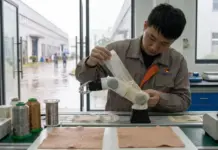
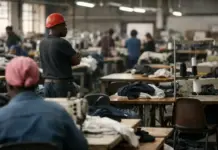
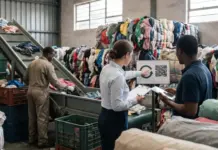
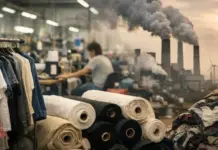
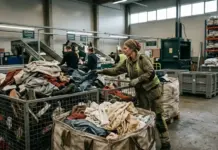
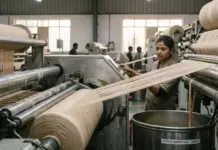
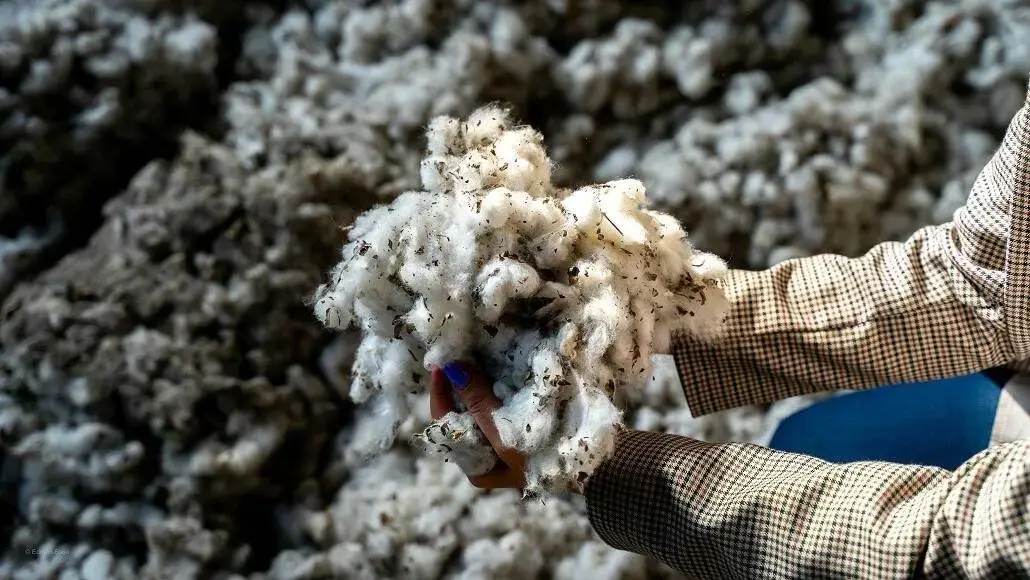
The newly commissioned complex is designed to manage multiple stages of textile manufacturing, including weaving, knitting, dyeing, and finishing. Reports indicate that the facility is currently capable of handling more than 12 tonnes of raw cotton fibre per day. The site is expected to produce a wide array of goods, ranging from specialized uniforms for security forces to various types of civilian clothing.
Strategic Shift Toward Domestic Garment Production
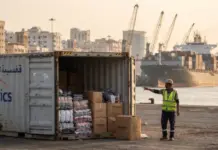
The establishment of the TEXFORCES-BF plant aims to reduce the country’s reliance on imported apparel. Data shows that between 2019 and 2023, the nation imported an annual average of nearly 38,946 tonnes of clothing and accessories. By focusing on domestic garment production, the government intends to capture more value within its own borders. Once the facility reaches full operational capacity, it is projected to manufacture 20 million metres of fabric and 6 million knitted garments annually. This output will also include 6 million uniforms, 6 million T-shirts, and 1 million pairs of socks.
Strengthening the Burkina Faso Economy Through Processing
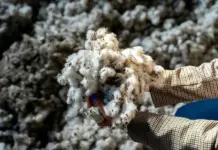
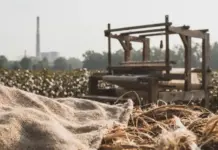
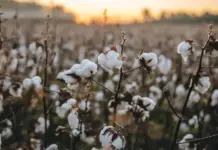
This initiative is part of a broader push to modernize the Burkina Faso economy by leveraging its position as a major cotton producer in West and Central Africa. To support this industrial growth, the government is targeting a production of 532,000 tonnes of seed cotton for the 2026/27 season, ensuring a steady supply for domestic cotton processing.
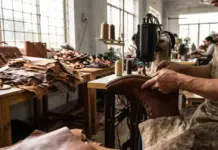
Further expansion of the sector is anticipated through other projects, including a CFA1.5 billion artisanal processing centre inaugurated in 2025 and a proposed $25 million integrated plant involving Kenya’s Basra Textile Mills. These efforts collectively aim to transform the Burkina Faso cotton industry from a raw material exporter into an integrated hub for textile manufacturing.
The success of this transition depends on the country’s ability to utilize its competitive labour costs and established cotton base to meet internal demand and eventually reach international markets. This shift toward localized cotton processing and garment production represents a structured effort to foster long-term industrial development and economic resilience. By building industrial value at home, the nation seeks to replace imports with high-quality domestic products while supporting the overall Burkina Faso economy.