





























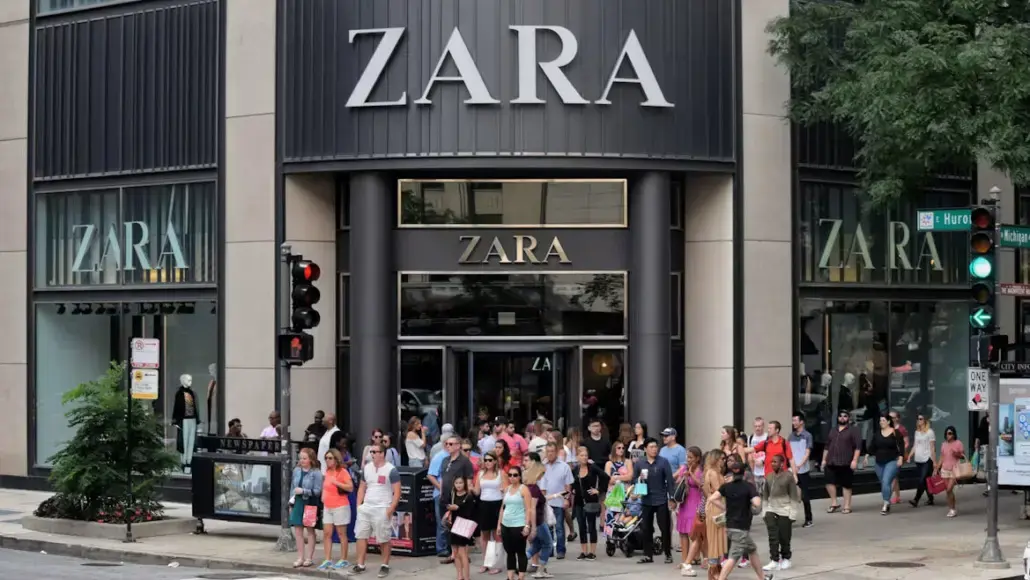
Zara, the flagship fashion brand under the Inditex portfolio, has accounted for nearly 70% of the group’s total revenue during the first half of 2026. The figures underline just how central Zara remains to the overall financial performance of Inditex, one of the world’s largest apparel conglomerates.
Zara’s Commanding Share Within Inditex
The revenue breakdown for H1 2026 places Zara in a position of overwhelming dominance within the broader Inditex brand family. With nearly 70% of Inditex’s total revenue attributed to the Zara label alone, the brand continues to function as the primary commercial engine for the group. This concentration of revenue within a single brand reflects the scale and consumer reach that Zara has built across global markets.
Inditex operates a range of fashion labels, yet the H1 2026 data makes clear that Zara remains in a category of its own when measured against the group’s overall financial output. For a conglomerate of Inditex’s size and diversity, such a pronounced revenue share from one brand is a notable indicator of where consumer demand continues to flow within the global apparel sector.
What This Means for the Global Apparel Industry
The global apparel industry has seen significant shifts in brand performance and consumer spending patterns, and the Zara Inditex revenue split in H1 2026 adds a meaningful data point to that broader picture. As fashion retail continues to evolve, the sustained commercial weight of Zara within Inditex’s portfolio speaks to the brand’s enduring relevance in an increasingly competitive marketplace.
Inditex as a group continues to draw industry attention not just for its scale, but for how its revenues are distributed across its brand architecture. The near 70% contribution from Zara in H1 2026 makes it evident that despite the presence of other labels within the group, the flagship brand commands a disproportionate share of consumer spending.
The Zara Inditex revenue figure for the first half of 2026 will likely serve as a reference point for analysts, retailers, and investors tracking performance trends within the global apparel space, particularly those monitoring the concentration of brand value within large fashion groups.