


























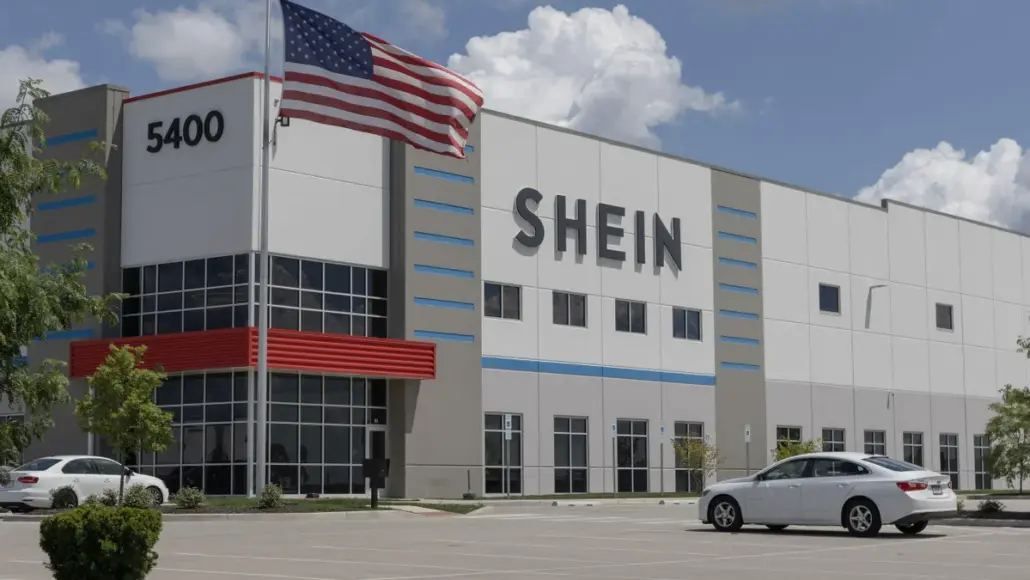
SHEIN is expanding its US fulfilment infrastructure with a new automated distribution facility in Lebanon, Indiana, strengthening the fashion retailer’s ability to process and deliver online orders closer to American consumers.
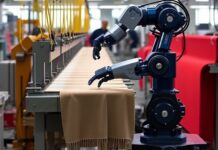
The 737,000-square-foot facility is scheduled to begin operations in September and introduces automated fulfilment technology designed to improve warehouse productivity while reducing repetitive manual activity. The site uses a goods-to-person system that moves products directly to employee workstations, helping streamline order processing and improve workplace safety.
The investment reflects a broader shift in online fashion logistics. As e-commerce volumes increase, retailers are turning to regional warehouses, automation and technology-led fulfilment systems to shorten delivery times and manage increasingly complex order flows.
Indiana Becomes a Major Fulfilment Base
The new facility further expands SHEIN’s presence in Central Indiana, which has become an important part of its US distribution network.
The company established its Indiana operations in Whitestown in 2022. With the addition of the Lebanon facility, its operational footprint across the state now exceeds 2.5 million square feet. The new warehouse is located approximately 1.5 miles from its existing Indiana operations, creating a concentrated logistics cluster.
SHEIN also operates fulfilment facilities in California and works with third-party logistics providers as part of its wider US distribution network.
The expansion gives the retailer additional capacity to position merchandise closer to customers rather than relying solely on long-distance or cross-border fulfilment.
Automation Reshapes Fashion Warehousing
The SHEIN automated distribution center illustrates how automation is becoming increasingly important in fashion fulfilment.
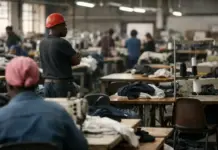
Traditional warehouse operations can involve substantial manual movement of products between storage locations, picking areas and packing stations. A goods-to-person system changes that workflow by bringing inventory to workers, allowing employees to concentrate on picking and processing orders.
For an online fashion retailer handling large numbers of individual products and frequent order variations, such systems can support greater operational efficiency.
Automation can also become increasingly valuable as retailers manage larger product assortments and more geographically dispersed customer demand.
A Changing US Fulfilment Model
SHEIN’s investment comes as cross-border e-commerce companies reassess how they serve US consumers.
Changes to customs and import arrangements have increased the importance of domestic inventory and local fulfilment capacity for retailers that previously depended heavily on direct shipments to consumers. Building warehouse infrastructure inside the US can provide greater control over inventory positioning and order fulfilment.
The SHEIN automated distribution center therefore represents more than additional warehouse space. It forms part of a broader effort to establish a more locally positioned fulfilment network.
Competitors in the low-cost online retail segment are also developing local fulfilment strategies as the economics and regulatory environment surrounding cross-border e-commerce change.
Implications for Fashion Logistics
The development highlights the growing connection between fashion retail and advanced logistics technology.
For online-first fashion businesses, warehouse performance increasingly influences the customer experience. Inventory availability, picking speed, order accuracy and delivery times can all affect repeat purchases and customer retention.
Automated facilities can help retailers handle these requirements at greater scale, while strategically located warehouses can reduce the distance between inventory and end consumers.
SHEIN’s expanded Indiana footprint also creates a larger operational base from which the company can serve the US market. The facility is expected to create hundreds of jobs as operations are phased in, adding to the company’s existing Indiana workforce of more than 1,300 employees.
Fashion Retail Moves Further Into Automated Fulfilment
The Indiana investment signals how fashion companies are increasingly treating logistics infrastructure as a strategic part of their business model.
As online fashion continues to depend on speed, inventory flexibility and efficient order processing, automated warehouses are likely to play a larger role in supporting retail growth.
For SHEIN, the new Indiana facility adds significant capacity to an already expanding US network. It also demonstrates how the next stage of fashion e-commerce will depend not only on product selection and digital engagement, but increasingly on the technology and infrastructure that move products from warehouse shelves to customers.