


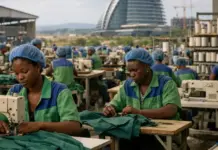


























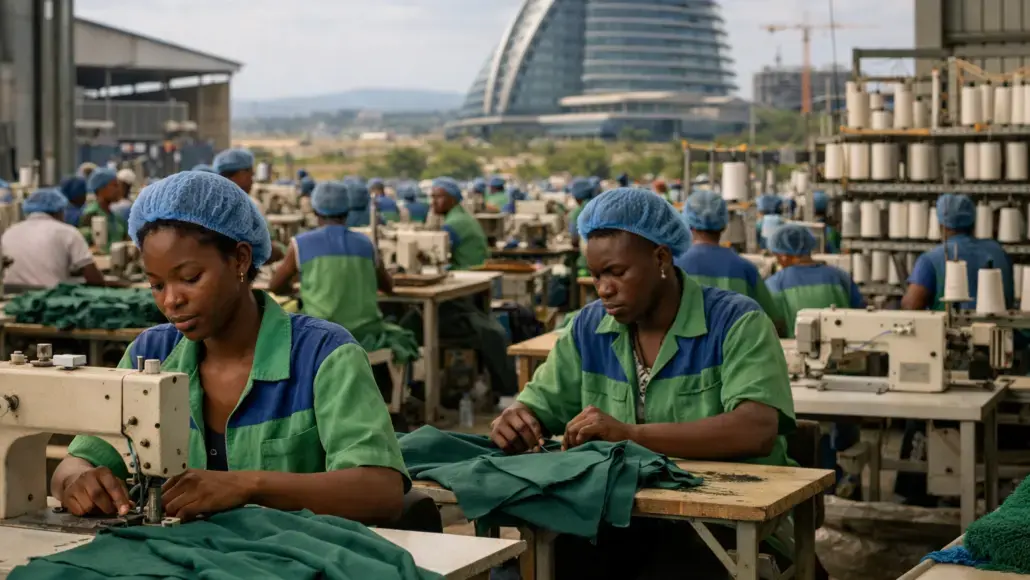
Konza Technopolis, the technology city located in Machakos County, Kenya, has set its sights on creating 10,000 jobs as its earliest industrial investors move into active production. With textile manufacturing now underway, the zone is actively courting more factories to broaden Kenya’s industrial footprint and generate employment for its rapidly growing young population.
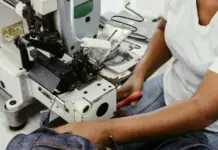
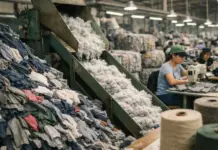
Lucky DJX, one of the zone’s first industrial investors, has transitioned from construction activities to textile production, now manufacturing fabrics used in everyday clothing. The company’s shift marks a tangible step toward activating the Export Processing Zone’s industrial potential.
Konza’s Industrial Vision and Infrastructure Readiness
John Paul Okwiri, Chief Executive Officer of the Technopolis Development Authority, confirmed that the Export Processing Zone has the capacity to accommodate multiple factories and support broader job creation as more investors establish their operations within the precinct.
To make this possible, Konza has invested heavily in foundational infrastructure. Okwiri noted that the technopolis has developed approximately 40 kilometres of internal roads, along with power distribution infrastructure, water treatment facilities, and a wastewater reclamation system — all designed to support industrial operations from day one. This approach is intended to allow incoming companies to set up factories without the burden of independently developing all the supporting services required to sustain manufacturing at scale.
Target Sectors for Incoming Investors
Beyond textiles, Konza Technopolis is actively seeking investors in sectors including electronics, solar products, and accessories as it looks to diversify and strengthen its manufacturing base. The goal is to build a multi-sector industrial ecosystem that reduces Kenya’s reliance on imports while creating sustainable employment.
Ripple Effect on Surrounding Communities
The growth of industrial activity at Konza is expected to generate economic opportunities well beyond the factory floor. Transport operators, food vendors, raw material suppliers, and various service providers in surrounding communities stand to benefit from the rising demand that accompanies an expanding industrial park. Businesses in the wider Machakos County area could see increased patronage as more workers and companies settle into the zone.
Aligning Skills Training with Manufacturing Needs
A key factor in determining how many young Kenyans can access the jobs being created will be the alignment of skills training with the actual requirements of manufacturers operating within the zone. Konza Technopolis jobs will be most accessible when training programmes match the skill sets that factories need on the ground.
The Road to 10,000: What the Target Depends On
The 10,000-job target that Konza Technopolis has set is not guaranteed by ambition alone. Achieving it will depend on the number of factories that are successfully established within the zone, the scale at which each facility operates, and the pace at which production expands across sectors. As Kenya manufacturing continues to be a national priority, Konza’s ability to attract and retain credible industrial investors will be central to delivering on this employment goal.
The broader national effort to expand Kenya manufacturing and provide meaningful employment for the country’s young population adds urgency to Konza’s industrial ambitions. With infrastructure largely in place and the first signs of textile production already visible, the technopolis is positioning itself as a central pillar of industrial investor activity in East Africa.
Job creation Kenya, particularly for youth, remains a pressing challenge — and Konza Technopolis is emerging as one of the more concrete, infrastructure-backed responses to that challenge currently underway in the country.