
































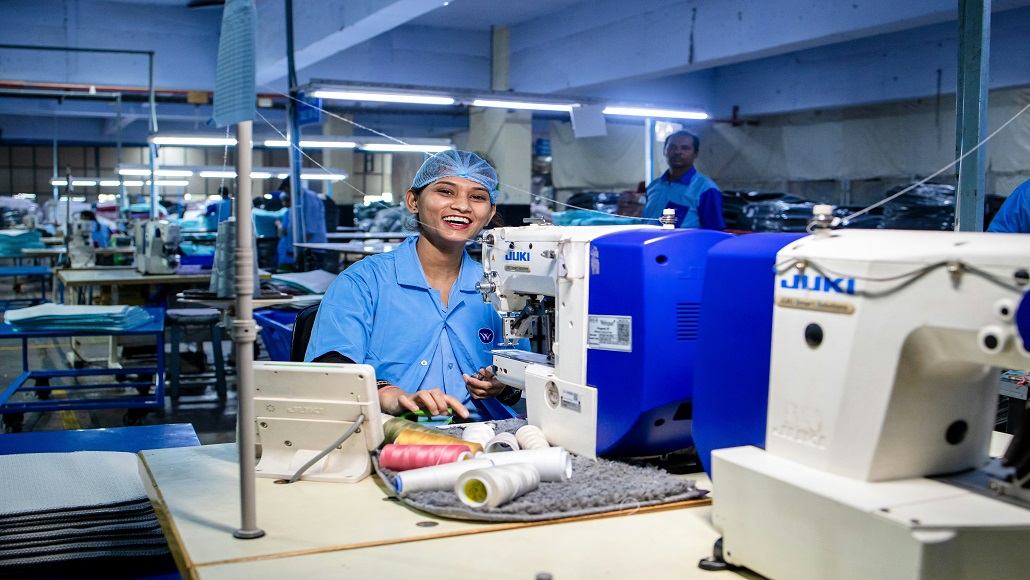
Dhaka, Bangladesh – The Dhaka Chamber of Commerce and Industry (DCCI) has voiced strong objections against the exclusive port rent exemption granted to the Ready-Made Garment (RMG) industry in Bangladesh. This exemption, aimed at supporting garment industries, raises concerns among various stakeholders, particularly within the broader manufacturing and export sectors.
The DCCI argues that the preferential treatment given to the RMG sector undermines competition and equity within the market. As a vital pillar of the Bangladeshi economy, the RMG sector is indeed crucial; however, the DCCI emphasizes that other industries are equally deserving of support, especially given the increasing pressures from global competitors and economic uncertainties.
In a recent statement, DCCI President, Asif Ibrahim, remarked, “While we understand the importance of the RMG sector to our economy, providing exclusive benefits can lead to an uneven playing field. All manufacturing sectors must be supported to ensure balanced growth and competitiveness.”
Implications of the Rent Exemption
The exclusive port rent exemption is seen as a double-edged sword. On one hand, it is intended to boost the RMG sector’s profitability and sustainability in the face of global competition. On the other hand, it risks alienating other sectors that contribute significantly to the national economy. Critics suggest that such policies may foster resentment among manufacturers in other industries, such as pharmaceuticals, textiles, and electronics, which also drive employment and economic growth.
The DCCI highlights that this preferential treatment could result in market distortions, leading to a lack of innovation and competitiveness across other sectors. Ibrahim emphasized, “We need an inclusive approach that considers the needs of all sectors, not just one. This will not only boost economic stability but will also pave the way for a diversified and resilient economy.”
Call for a Comprehensive Policy Framework
As discussions surrounding the port rent exemption continue, the DCCI is urging the government to develop a comprehensive policy framework that supports all industries equitably. The proposed framework should include provisions for financial incentives, access to technology, and improvements in logistics and supply chain management to level the playing field.
Moreover, stakeholders are advocating for a collaborative dialogue between the government and various industry representatives to ensure that any support measures are fair and beneficial across the board. This collaborative effort is crucial in crafting solutions that address the challenges faced by all manufacturers, rather than solely focusing on the RMG sector.
Future Outlook
The RMG sector has long been a cornerstone of Bangladesh’s economy, contributing significantly to its GDP and export revenues. However, the DCCI’s stance highlights the need for the Bangladeshi government to reassess its economic policies and ensure that all sectors receive fair treatment.
As global market dynamics continue to evolve, ensuring fairness in policy enforcement will be pivotal for fostering an environment where all industries can thrive. The DCCI’s advocacy for a more equitable support system reflects a broader vision for sustainable economic growth in Bangladesh, where diversity in manufacturing can lead to greater resilience against global economic shifts.
In conclusion, the DCCI’s criticism of the exclusive port rent exemption for the RMG industry serves as a crucial reminder of the importance of balanced economic policies that can support all sectors of the economy, ensuring that no industry is left behind in the pursuit of progress.

