




















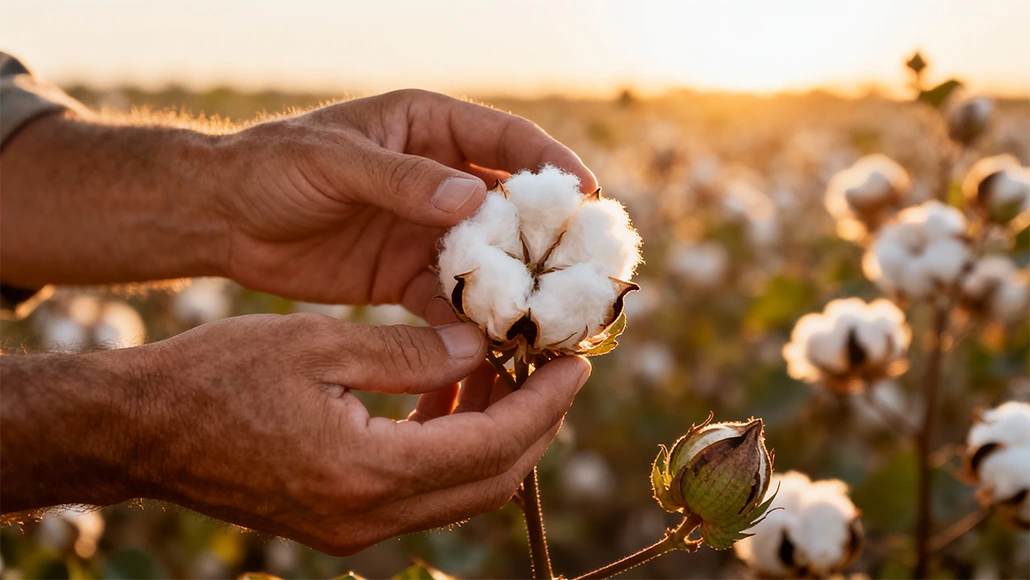
The fashion industry’s sustainability efforts are now reaching back to the very fields where raw materials begin their journey. As concerns mount over farming’s impact on soil health, water usage, and biodiversity, brands are increasingly turning to regenerative agriculture to protect the land that produces cotton, wool, and other essential fibres central to global fashion supply chains.
At the forefront of this shift is the Better Cotton Initiative (BCI), which has now transitioned to regenerative standards. Alongside this development, brands including Gucci, H&M Group, Primark, and Patagonia are expanding programmes that directly connect farm-level practices to fashion sourcing decisions.
Better Cotton Initiative Moves Toward Regenerative Standards
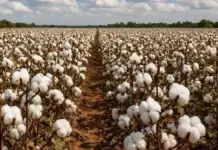
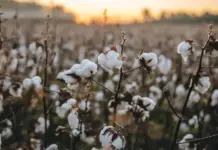
On 13 October, the Better Cotton Initiative formally adopted regenerative standards, following an update to its farming rules in April 2026. Given that BCI’s standard covers more than 20% of global cotton production, this transition carries considerable weight for the many brands that rely on it as part of their sustainable sourcing strategies.
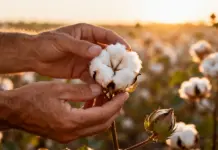
Conventional farming methods have long been associated with soil degradation, reduced biodiversity, and excessive water consumption — all of which threaten the agricultural land the fashion industry depends on. Regenerative agriculture addresses these challenges by actively working to improve soil health, protect natural ecosystems, increase water retention, and support carbon capture.
Under its updated framework, BCI now gives priority to locally adapted farming methods and places continued emphasis on measurable improvement in both environmental and social outcomes. The initiative’s broader aim is to help farming communities maintain productive land while giving brands greater visibility into their supply chains.
To support this operational shift, BCI acquired the Co team and technology from Materra, a farming technology provider. This system is designed to streamline field data collection and ease administrative burdens for farmers and partner organisations alike.
H&M Group Scales Regenerative Agriculture in India
H&M Group has been building on this direction for some time. In 2025, the brand partnered with BCI on a regenerative agriculture project in Gujarat, India, with a goal of training and supporting 12,000 local farmers. During its first year, 1,764 farmers received bonus payments tied to the programme.
H&M’s supply chain incorporated 1,700 metric tonnes of traceable BCI cotton fibre over the course of the initiative — reaching approximately half of the initial target. These figures reflect meaningful progress at the farm level, though they represent movement toward project goals rather than an indicator of H&M’s total cotton consumption or a confirmation that all cotton it sources is produced through regenerative methods.
The group also maintains a separate collaboration with WWF on farming projects located near India’s Satpura and Pench wildlife reserves. An April 2025 case study from this programme reports that 4,250 farmers adopted regenerative methods for at least one growing season.
Gucci Takes Regenerative Sourcing into Luxury Wool
Regenerative sourcing is gaining traction in luxury fashion as well. In 2021, Kering — Gucci’s parent company — launched the Regenerative Fund for Nature in collaboration with Conservation International. Inditex, the parent company of Zara, joined the fund in 2023 and expanded its scope to cover materials used in clothing, footwear, and accessories.
The fund promotes improved farming and grazing practices aimed at restoring natural areas and protecting key raw materials including cotton, wool, cashmere, and leather. By the end of 2024, the fund was managing 13 projects across eight countries, with its annual report indicating a combined coverage of 1.1 million hectares and support extended to 105,000 people.
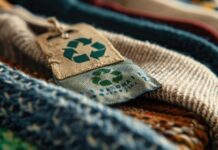
Gucci also launched a dedicated regenerative wool project in Uruguay in partnership with Chargeurs Luxury Fibres. In 2024, the brand introduced scarves made from wool sourced directly from these farms. Each scarf carries an NFC tag that customers can scan to access supply chain details, including information about the farm of origin. This initiative effectively extends regenerative agriculture from cotton into wool used in scarves and knitwear, linking sustainable sourcing directly to finished luxury products.
Primark Scales Farmer Training Through Long-Term Cotton Partnership
Primark has taken a longer-term approach to cotton traceability through its ongoing partnership with CottonConnect. Since 2013, the Primark Cotton Project has trained and supported more than 300,000 farmers across India, Bangladesh, and Pakistan.
The programme focuses on reducing water and chemical use, improving soil health, and strengthening farmer livelihoods. Primark also employs CottonConnect’s TraceBale system to track cotton movement throughout the supply chain, reinforcing its commitment to cotton traceability.
In 2023, the programme introduced training modules based on CottonConnect’s REEL Regenerative Code, and Primark has set a target to place regenerative farming at the core of the project by 2030, starting with a pilot involving 3,000 farmers. The brand has also stated a separate ambition for all cotton used in its clothing to be either organic, recycled, or sourced through the Cotton Project.
Patagonia and Adidas Advance Traceability Efforts
Other brands are pursuing both improved farming practices and greater supply chain transparency. In 2018, Patagonia launched a Regenerative Organic Certified cotton pilot in India, beginning with more than 150 farmers. The programme later grew to more than 2,000 farmers and led to Patagonia releasing its first certified cotton collection in 2022.
Adidas joined the Traceable Better Cotton (TBC) programme in 2024 to strengthen cotton traceability across its supply chain. Its 2025 annual report also outlines ongoing efforts to map its cotton sourcing more comprehensively.
Two Distinct Priorities, One Shared Direction
Across the industry, some brands are placing emphasis on improving farming practices at source, while others are concentrating on tracing cotton back to its point of origin. These two approaches address different dimensions of the same challenge and are complementary in nature. Together, they reflect a broader industry-wide movement toward responsible sourcing, as fashion brands increasingly consider not just what their products are made of, but how those raw materials are grown, managed, and supplied.