



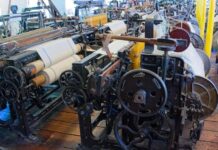




























Vice President Kashim Shettima has led a strategic delegation comprising six state governors on a study visit to the Benin Republic. The official mission focused on examining established industrial development models to explore strategies for supporting the revival of the Nigeria textile industry. During the tour, Kashim Shettima and the state governors inspected an operational industrial zone in the Benin Republic to evaluate policy structures, infrastructure arrangements, and investment strategies that have sustained growth across the manufacturing sector.
The visiting delegation focused on understanding how integrated industrial parks, consistent government policies, and active private sector participation contribute to generating employment, boosting production output, and expanding export avenues. Government officials state that the information gathered from the visit will help guide national initiatives to rebuild the Nigeria textile industry value chain, covering processes from raw cotton production to garment manufacturing.
Addressing Sector Challenges and Economic Impact
The textile trade was formerly among the largest employers in the nation, supporting thousands of jobs and contributing significantly to national economic growth. However, the manufacturing sector experienced a multi-year contraction driven by several persistent operational challenges, including smuggling, elevated production expenses, inadequate infrastructure, and restricted access to financing. Federal authorities state that revitalizing the sector can stimulate domestic manufacturing, decrease reliance on foreign textile imports, generate employment, and expand non-oil export earnings. Analysts note that achieving these outcomes will require sustained investment in power infrastructure, transportation networks, industrial facilities, technical skills development, and favorable commercial policies.
Strengthening Regional Economic Links
The study tour highlights expanding economic collaboration between Nigeria and the Benin Republic as both nations work to enhance trade relations, investment flows, and regional industrial development. Observers indicate that adopting proven industrial models from neighboring countries could accelerate national manufacturing goals while advancing broader economic diversification objectives under the federal government’s industrialization agenda.

