




























PSI 2026

Lesotho Delegation Pushes for Tariff Reductions in US

Note* - All images used are for editorial and illustrative purposes only and may not originate from the original news provider or associated company.

Subscribe

- Never miss a story with notifications

- Gain full access to our premium content

- Browse free from up to 5 devices at once

Media Packs

Expand Your Reach With Our Customized Solutions Empowering Your Campaigns To Maximize Your Reach & Drive Real Results!
– Access The Media Pack Now!
– Book a Conference Call
Leave Message for us to Get Back

Related stories

Luxury Fabric Choices Leading Premium Fashion Trends Worldwide

Luxury textile markets represent the frontier of fashion innovation and premium positioning. Rare fibers including vicuña, silk, cashmere, and alpaca command extraordinary pricing while delivering unmatchable sensory properties and exclusivity. Contemporary luxury fashion trends increasingly emphasize heritage techniques, rare material sourcing, and refined craftsmanship—characteristics that enable commanding premium positioning while supporting artisanal production methods.

Fashion Trends Influencing Fabric Innovation in 2026

Emerging fashion preferences in 2026 are catalyzing unprecedented innovation in fiber development, fabric finishing, and material engineering. From advanced sustainable bio-cellulosics and smart textiles to regenerative fibers and performance-enhanced constructions, fashion-driven demand is pushing textile manufacturers to develop revolutionary materials that simultaneously address aesthetic trends and environmental imperatives.

Fashion Trends Shaping the Global Textile Landscape

The global textile industry is experiencing unprecedented transformation as fashion trends increasingly dictate material development, consumer demand patterns, and production innovations. With the market valued at USD 987.95 billion in 2024 and projected to reach USD 1,407.12 billion by 2034 at a CAGR of 3.60%, the intersection of fashion-driven trends and textile innovation is reshaping how garments are conceived, manufactured, and consumed worldwide.

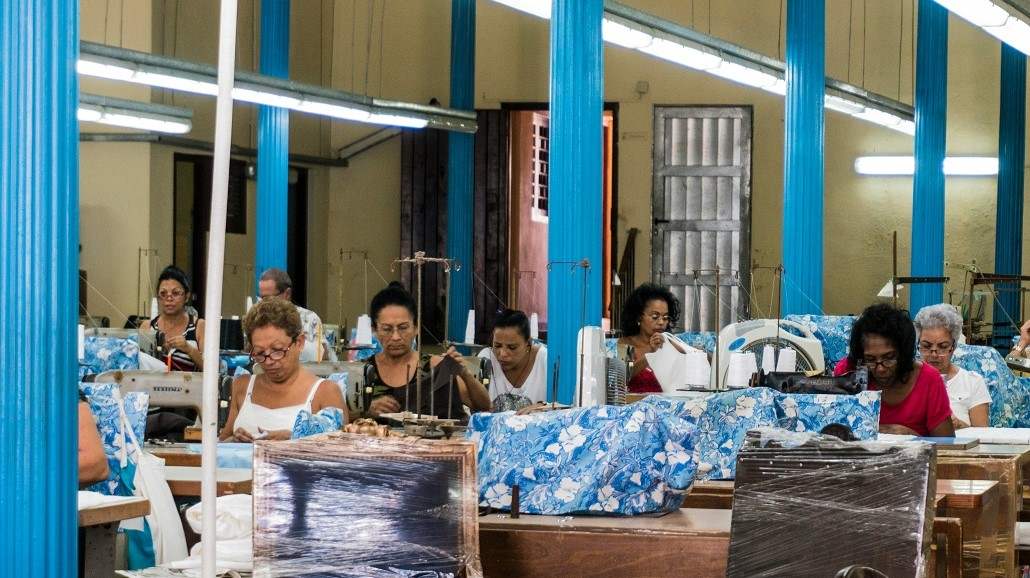
Lesotho is dispatching a high-level delegation of cabinet ministers, along with leaders from various industries and labor unions, to the United States this weekend. Their objective is to advocate for the reduction of tariffs on Lesotho textiles, which are severely impacting the country’s vital textile sector.

Lihaelo Nkaota, a spokesperson for Lesotho’s trade ministry, stated to Bloomberg on Saturday, “We want the negotiations to start at zero as a starting point because it is where we were before the new U.S. policy. We want the tariffs to be below the 15% for the benefit of the employers and workers.”

In August, the U.S. implemented a 15% tariff on imports from the South African kingdom, a figure that, while less than the 50% tariff previously threatened by President Donald Trump in April, has nonetheless sent shockwaves through the nation’s economy.

Prior to this tariff increase, the majority of Lesotho’s exports to the U.S.—its second-largest trade partner—entered duty-free under the now-defunct African Growth and Opportunity Act.

In response to the adverse effects of this policy, labor unions and street vendors plan to protest at the offices of Lesotho’s prime minister on September 17, expressing their frustration over the detrimental impact on their businesses and livelihoods.

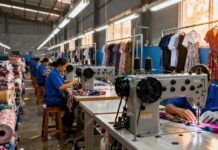
The textile industry, which serves as the largest private employer in Lesotho, supports approximately 12,000 jobs directly and an additional 40,000 indirectly. It provides products for major U.S. retailers, including Walmart Inc., JC Penney, and Levi Strauss & Co. However, some factories have been compelled to reduce their workforce due to declining orders.

The delegation, headed by Trade and Industry Minister Mokhethi Shelile, will also include Labour and Employment Minister Ts’eliso Mokhosi, along with representatives from the Lesotho Textile Exporters Association and leaders of labor unions. They aim to stress the importance of the reduction of tariffs on Lesotho textiles to protect jobs and ensure the industry’s sustainability.

Latest stories

Related stories

Luxury Fabric Choices Leading Premium Fashion Trends Worldwide

Luxury textile markets represent the frontier of fashion innovation and premium positioning. Rare fibers including vicuña, silk, cashmere, and alpaca command extraordinary pricing while delivering unmatchable sensory properties and exclusivity. Contemporary luxury fashion trends increasingly emphasize heritage techniques, rare material sourcing, and refined craftsmanship—characteristics that enable commanding premium positioning while supporting artisanal production methods.

Fashion Trends Influencing Fabric Innovation in 2026

Emerging fashion preferences in 2026 are catalyzing unprecedented innovation in fiber development, fabric finishing, and material engineering. From advanced sustainable bio-cellulosics and smart textiles to regenerative fibers and performance-enhanced constructions, fashion-driven demand is pushing textile manufacturers to develop revolutionary materials that simultaneously address aesthetic trends and environmental imperatives.

Fashion Trends Shaping the Global Textile Landscape

The global textile industry is experiencing unprecedented transformation as fashion trends increasingly dictate material development, consumer demand patterns, and production innovations. With the market valued at USD 987.95 billion in 2024 and projected to reach USD 1,407.12 billion by 2034 at a CAGR of 3.60%, the intersection of fashion-driven trends and textile innovation is reshaping how garments are conceived, manufactured, and consumed worldwide.

Subscribe

- Never miss a story with notifications

- Gain full access to our premium content

- Browse free from up to 5 devices at once

Media Packs

Expand Your Reach With Our Customized Solutions Empowering Your Campaigns To Maximize Your Reach & Drive Real Results!

– Access The Media Pack Now!
– Book a Conference Call
Leave Message for us to Get Back

Translate »