





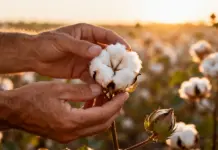
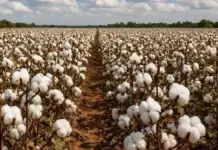






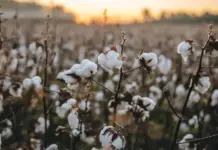






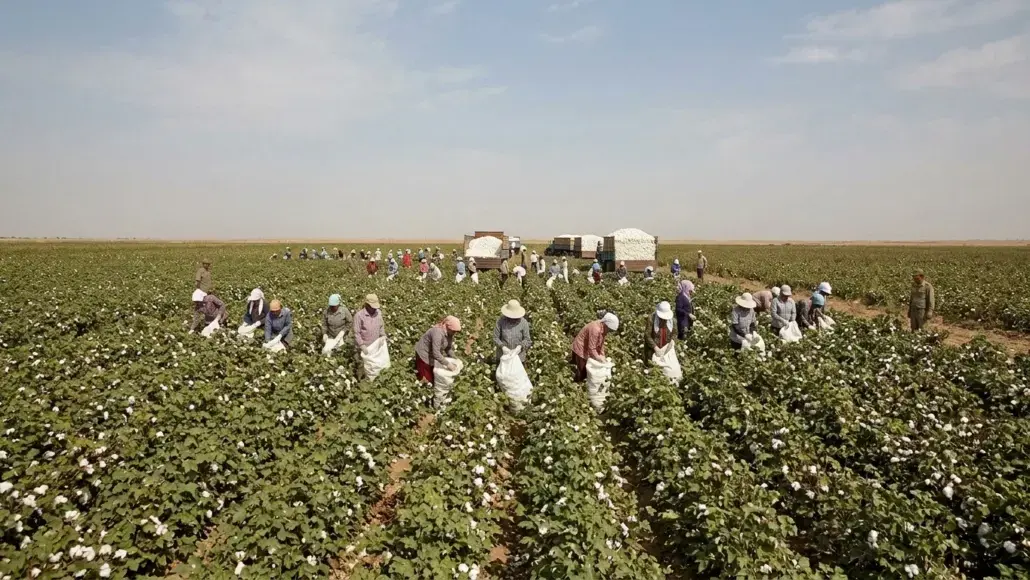
A recent investigative report by Cotton Campaign members Turkmen.News and the Turkmen Initiative for Human Rights has brought to light concerning findings regarding the 2023 cotton harvest in Turkmenistan. The report details a significant reversal of earlier progress in combating forced labor, documenting a widespread mobilization of public sector workers and conscripts to participate in cotton picking or to make payments to avoid the labor. This includes state employees such as teachers, doctors, and utility workers, who were reportedly compelled to return to the fields.
Intensified Coercion and Global Reach
The comprehensive findings extend to disturbing instances of child labor in cotton fields, alongside persistent coercion and demands for bribes faced by farmers striving to meet government-mandated production quotas. These issues paint a stark picture of human rights abuses within the agricultural sector. The report further indicates that cotton produced under these conditions is primarily exported to textile manufacturers in Türkiye and Pakistan, with a notable portion also reaching European markets, including Portugal and Italy. This highlights critical concerns for global textile supply chains.
International scrutiny of Turkmenistan’s cotton practices is not new. The United States implemented a ban on all Turkmen cotton and related products from entering its market in 2018. Similarly, the prominent Swedish fashion retailer H&M ceased sourcing cotton from Turkmenistan in 2016, demonstrating early recognition of the risks associated with Turkmenistan forced labor.
Ruslan Myatiev, director of Turkmen.News, underscored the dire impact of these practices. He stated that “The use of widespread and systematic state-imposed forced labor has a downward spiral effect on Turkmen people, who are already facing a deep economic crisis.” Myatiev urged international bodies and governments, including the International Labour Organisation (ILO), to increase pressure on the Turkmen government to take concrete and meaningful steps to eradicate this egregious practice. Despite Turkmenistan’s existing cooperation roadmap with the ILO, aimed at tackling forced labor, the latest findings suggest that official efforts to reduce the deployment of essential workers like doctors and teachers have not been sustained.
Raluca Dumitrescu, senior coordinator for the Cotton Campaign Coalition with Global Labor Justice, issued a strong call to action for governments. She specifically appealed to those jurisdictions with current or upcoming forced labor import bans to classify Turkmen cotton as a high-risk commodity and to block its importation. Dumitrescu advocated for the introduction of such bans across all relevant jurisdictions to establish “a level playing field” and to spur essential reforms within global textile supply chains. This approach is vital for promoting cotton industry ethics and fostering responsible supply chain due diligence.
The report also sheds light on severe challenges confronting Turkmen farmers. These include limited access to vital irrigation and pervasive demands for bribes, which are exacerbated by mounting climate change pressures, such as escalating temperatures and increasing water scarcity. Despite these significant hurdles, farmers reportedly remain under stringent state control and are obligated to meet stringent production quotas.
Aynabat Yaylymova, director at Progres Foundation, another member of the Cotton Campaign coalition, appealed to the Turkmen government to institute reforms that promote “farmers’ autonomy, as well as accountability and transparency of the agricultural sector.” Yaylymova also suggested that ongoing climate change programs funded by international partners should be leveraged to press Turkmen authorities to end coercive practices and actively involve farmers in crucial agricultural decision-making processes.
The Cotton Campaign coalition has collectively urged the Turkmen government to take immediate and decisive steps, including allowing independent reporting on labor conditions. They issue a stark warning that the continued prevalence of Turkmenistan forced labor in the cotton sector poses an ongoing and significant risk for global buyers and brands, emphasizing the critical need for enhanced supply chain due diligence to uphold cotton industry ethics. This report follows a 2024 assessment that similarly alleged state employees were subjected to forced labor during the 2023 harvest.