
























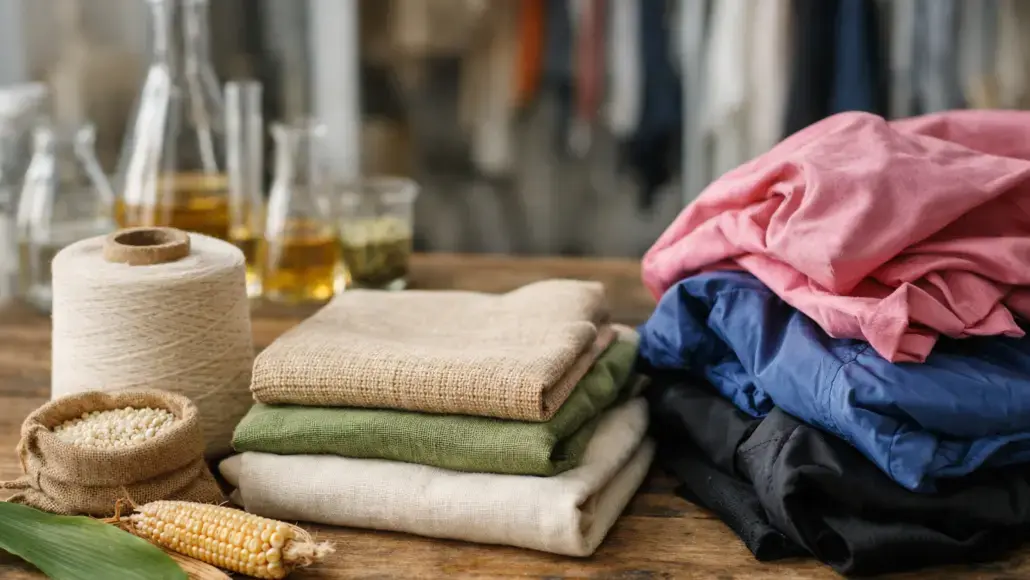
The transition to bio-based synthetics in the global fashion and textile industry is facing a significant headwind: weak and inconsistent consumer and brand demand. While the technology for producing bio-based fibers and materials has advanced considerably, the commercial momentum needed to scale these solutions has not kept pace, according to findings and expert voices covered in a recent industry report.
Bio-based synthetics — materials derived from renewable biological sources rather than fossil fuels — have long been positioned as a cleaner alternative to conventional petroleum-based fibers such as polyester and nylon. Yet despite heightened awareness around environmental responsibility, market demand for these renewable materials remains insufficient to drive meaningful industry-wide adoption.
Cost Remains a Persistent Barrier
One of the central challenges stalling the wider uptake of bio-based synthetics is their cost relative to conventional alternatives. Bio-based fibers continue to carry a price premium that most fashion brands — particularly those operating in volume-driven, price-sensitive segments — are reluctant to absorb or pass on to consumers.
Producers of bio-based fibers note that without the scale of demand that would justify expanded manufacturing capacity, costs are unlikely to fall to competitive levels. It is a classic chicken-and-egg problem: scale requires demand, and demand is currently constrained by price. Until brands commit to purchasing bio-based synthetics in meaningful volumes, manufacturers cannot invest in the infrastructure needed to bring prices down.
Brand Commitments Have Yet to Translate Into Purchasing Action
The Gap Between Pledges and Procurement
Many fashion and apparel brands have made public sustainability commitments that include targets around reducing fossil-fuel-based fiber usage. However, these commitments have not consistently translated into procurement decisions that prioritize bio-based synthetics. Industry observers point to a disconnect between what brands pledge in their sustainability reports and the actual buying signals they send to their supply chains.
The pressure on brands to reduce costs amid uncertain consumer spending environments has in many cases pushed sustainable sourcing further down the priority list. Bio-based fibers, while environmentally preferable in their origin, must compete with deeply entrenched supply chains built around conventional synthetic production that benefits from decades of cost optimization.
Consumer Awareness Alone Is Not Driving Purchase Decisions
While consumer awareness of environmental issues in fashion has grown, this has not reliably converted into willingness to pay more for products made from bio-based materials. The sustainable textiles market is finding that awareness and intent do not always align with purchasing behavior, particularly when economic pressures on household budgets tighten consumer spending.
Supply-Side Readiness Outpacing Demand
Interestingly, several producers working in the bio-based fibers space report that supply-side readiness has advanced faster than market demand. Innovations in bio-based synthetics — from bio-derived polyester variants to next-generation bio-nylon alternatives — have reached sufficient levels of technical maturity to meet commercial textile requirements. The bottleneck, as those in the industry make clear, lies on the demand side.
Producers of renewable materials intended for textile applications have invested significantly in research, development, and early-stage production capacity, often with the expectation that growing brand sustainability targets would generate the demand necessary to justify further investment. That demand-driven catalyst has been slower to materialize than anticipated.
Policy and Regulatory Environment Could Be a Turning Point
Legislation May Do What Market Forces Have Not
Industry stakeholders increasingly point to regulation as the most likely driver of accelerated bio-based synthetics adoption. Voluntary commitments and market-driven demand have thus far proven insufficient to shift sourcing practices at scale. Regulatory frameworks — particularly in the European Union, where sustainability-related textile legislation is advancing — could create the mandatory conditions under which brands have less discretion to sidestep sustainable material sourcing.
Extended producer responsibility schemes, mandatory due diligence requirements, and fiber content disclosure obligations are among the policy instruments being discussed or implemented that could indirectly or directly favor bio-based fibers over fossil-fuel-derived alternatives. However, the extent and pace at which such regulation will influence procurement remains to be seen.
Investment and Innovation Funding Remains Important
Public and private investment in the bio-based synthetics space has continued, with recognition that these materials form a necessary part of a longer-term sustainable textiles ecosystem. However, investors and producers alike caution that without reliable commercial offtake agreements from major fashion brands, the economics of scaling bio-based fiber production remain challenging.
Fashion Industry Sustainability Goals Under Pressure
The broader context for this challenge is a fashion industry under mounting pressure to reduce its environmental footprint. Synthetic fibers — primarily polyester — dominate global fiber production and are deeply embedded in the fast fashion model due to their low cost, versatility, and performance. Replacing even a fraction of this volume with bio-based synthetics at scale would require a level of coordinated industry commitment that has not yet emerged.
Fashion industry sustainability targets around fiber transitions have, in many cases, been pushed back or reframed, reflecting the difficulty of implementing supply chain changes amid macroeconomic uncertainty. The situation has highlighted the gap between the ambition embedded in corporate sustainability strategies and the operational and financial realities of sourcing transformation.
The Path Forward for Bio-Based Fibers
Those working within the bio-based synthetics and renewable materials space remain cautiously optimistic about longer-term prospects, while acknowledging that near-term growth is likely to be slower than previously projected. The case for bio-based fibers — reduced dependency on fossil fuel feedstocks, potential for lower lifecycle carbon emissions, and alignment with circular economy principles — remains intact.
What the sector needs, according to voices within the industry, is greater concrete commitment from brands willing to integrate bio-based synthetics into their core material portfolios rather than treating them as niche or pilot-scale additions. Demonstration of commercial viability at meaningful volume, supported by collaborative investment across the supply chain, is seen as the path toward making bio-based fibers a mainstream component of sustainable textiles sourcing.
Until demand signals strengthen and brands align their procurement with their sustainability rhetoric, bio-based synthetics will continue to face the same structural barriers that have limited their penetration of the fashion and textile market to date.