

























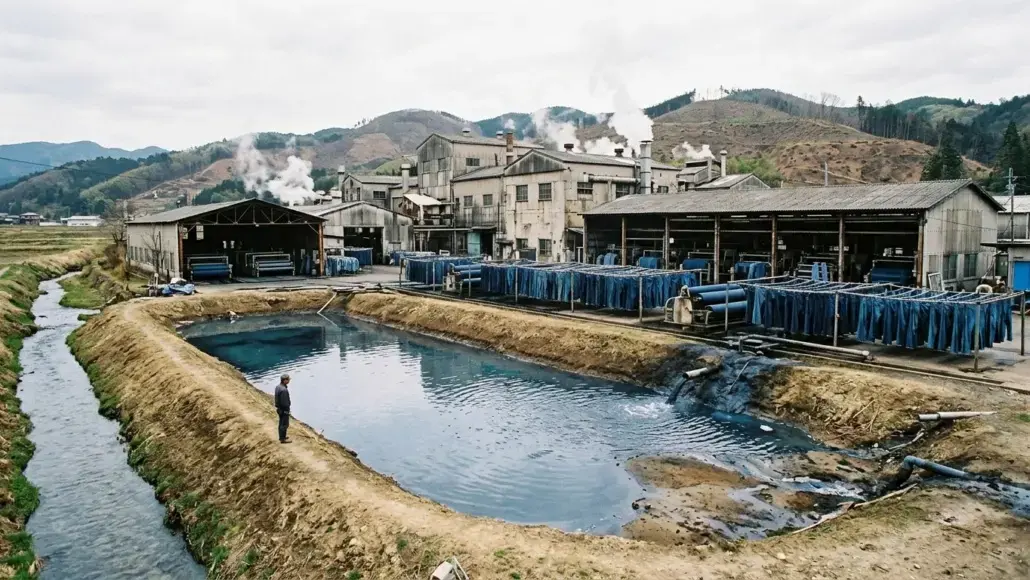
The denim washing industry, a critical segment of textile production, is facing ongoing challenges in mitigating its chemical footprint, despite advancements in other sustainability areas. A recent report from the Environmental Impact Measurement (EIM) platform, released on June 5 to mark World Environment Day, underscores that while overall production processes are optimizing, chemical usage and water management remain significant hurdles for achieving comprehensive denim washing sustainability.
The 2025 EIM report, which analyzed over 100,000 production processes from 359 manufacturers throughout 2025, indicates a positive shift towards lower-impact practices across the textile finishing sector. Approximately 66% of all measured processes are now categorized as low impact, with a further 30% deemed medium impact and only 4% in the high-impact category. This encouraging trend reflects the gradual integration of more efficient technologies and optimized formulations within manufacturing facilities.
Significant progress has been noted in energy consumption, which emerged as a primary driver of supply chain improvement. A remarkable 85% of processes are now considered low impact for energy, with average consumption decreasing by nearly 7% to 1.09 kilowatt-hours per garment. This advancement has a direct positive correlation with worker health, an impact indicator that also shows improvement, with 68% of operations now classified as low impact in this area.
Chemical Use Remains a Critical Concern in Sustainable Denim Production
Despite these gains, the report explicitly identifies chemical use as the most problematic area for the denim washing industry. A mere 28% of processes register a low chemical impact, while 46% fall into the medium category, and a concerning 27% remain high impact. The persistence of traditional methods significantly contributes to this issue. For instance, the use of pumice stones, still present in 14% of processes, automatically triggers the maximum chemical impact score. Similarly, potassium permanganate sprays, utilized in 15% of operations, result in the highest impact on operators’ health. These enduring practices pose a substantial barrier to widespread textile chemical impact reduction.
Water Management Nears Plateau, Demanding Advanced Wastewater Solutions
Water management, in contrast to energy efficiency, shows signs of leveling off. While 69% of processes are rated as low impact, average consumption remains at approximately 30 liters of water per garment. Further substantial reductions in water usage will depend on the deployment of advanced treatment and recycling systems, which will necessitate the modernization of existing infrastructure. This highlights the urgent need for innovative wastewater solutions and investment in eco-friendly finishing technologies to achieve greater denim washing sustainability.
The EIM report concludes by emphasizing that after an initial phase of industry mobilization on broader environmental issues, the next critical phase of environmental transformation in the textile sector will be determined by the definitive abandonment of these entrenched, historical techniques. This shift is vital for fostering truly sustainable denim production practices.