





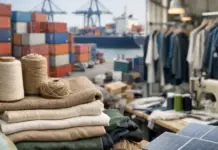























LONDON — June 11, 2026 — Textile Exchange has released a major new polyester LCA study intended to bring sharper, more consistent evidence to one of fashion’s most contested materials. The assessment, published this week, updates life cycle impact data for both virgin and recycled polyester and is designed to help brands, manufacturers and policymakers make more informed choices as scrutiny intensifies around fossil-based fibres and recycling claims.
The report is Textile Exchange’s second in a multi-year series of fibre LCAs, following a cotton study published in March. The organisation said the polyester research addresses long-standing limitations in available datasets particularly where geography and production pathways have been underrepresented or assessed inconsistently.
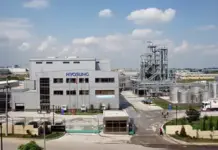
A key addition is what Textile Exchange describes as the first publicly available dataset covering the environmental impacts of virgin polyethylene terephthalate (PET) production in Southeast Asia. The region produces more than half of the world’s virgin PET, yet has been poorly reflected in public LCA data. By including Southeast Asian production, the report aims to reduce reliance on outdated or regionally mismatched proxies that can distort modelling and decision-making.
Beth Jensen, chief impact officer at Textile Exchange, said the updated dataset is intended to strengthen how the sector evaluates polyester’s footprint and prioritises reductions. “This LCA study marks a significant update to existing polyester LCA data and advances our understanding of the impacts of its production for the fashion, textile, and apparel industry. By addressing known data gaps across both virgin and recycled polyester, and by identifying major hotspot impact areas, these findings create a stronger foundation for making informed decisions that support the shift toward preferred production systems.”
The polyester LCA study uses a cradle-to-gate scope, assessing impacts from raw-material extraction through to fibre formation. It evaluates virgin polyester production in Southeast Asia and recycled polyester systems in China, Europe and the United States. The main report focuses on seven headline impact categories ranging from climate change and acidification to freshwater ecotoxicity and water scarcity while also analysing all 16 indicators recommended in the European Commission Environmental Footprint 3.1 reference package.
Textile Exchange cautioned that LCA results are highly sensitive to methodological assumptions and boundaries. As a result, it reiterated that comparisons should not be made between different LCA studies or even between datasets within the same study, such as comparing regions or production systems directly.
Beyond environmental metrics, the report applies what the organisation calls an “LCA+” lens by including an assessment of human rights impacts associated with polyester supply chains—an addition that reflects increasing expectations under Human Rights Due Diligence frameworks.
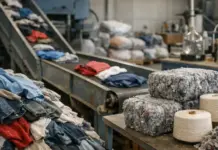
On the environmental side, the report identifies distinct “hotspots” depending on how polyester is produced. For virgin polyester, the dominant drivers are upstream petrochemicals, particularly monoethylene glycol (MEG), purified terephthalic acid (PTA) and dimethyl terephthalate (DMT), as well as the energy mix used for electricity and heat. For thermomechanical recycling, electricity demand and feedstock logistics especially long-distance transport of waste emerged as major contributors across multiple impact categories. For chemical recycling, the largest burdens were tied to energy consumption and the use of process chemicals such as solvents, including methanol.
Adam Gardiner, recycled lead at Textile Exchange, said the study is meant to help the industry separate momentum from measurable performance as textile-to-textile recycling investment accelerates. “There is significant industry investment and momentum behind the development of new technologies for textile-to-textile recycling. This LCA study provides both brands and recyclers with credible and up-to-date data on such systems, while identifying opportunities to reduce their impact.”
He added that the social dimension of recycling supply chains is often overlooked. “Traditionally, recycled production systems within the textile industry have focused primarily on the recycling plant itself. By taking an “LCA+” approach, this study enables a greater understanding of the significant social impact and vast network that exists before the recycler. To design a successful lower impact recycling system, it needs to protect and support the livelihoods of all people throughout the value chain.”
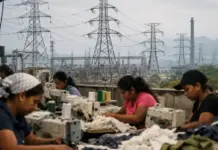
The human rights assessment flags potential harms ranging from unsafe working conditions and labour rights violations to gender-based violence and community impacts linked to oil and gas extraction, accidental spills and pollution. It also notes that waste collection and sorting can be informal and weakly regulated, creating risks in both bottle-to-fibre and textile-to-textile supply chains while emphasising that textile-to-textile pathways could play a meaningful role in addressing the global textile waste crisis if built with safeguards.
Textile Exchange said the data will be submitted to industry databases to increase usability, primarily as proxy data when source-specific datasets are unavailable. The organisation also pointed readers to its earlier guidance paper, Ensuring Integrity in the Use of Life Cycle Assessment Data, which outlines best practice for applying LCA information in corporate impact modelling and progress tracking.

