































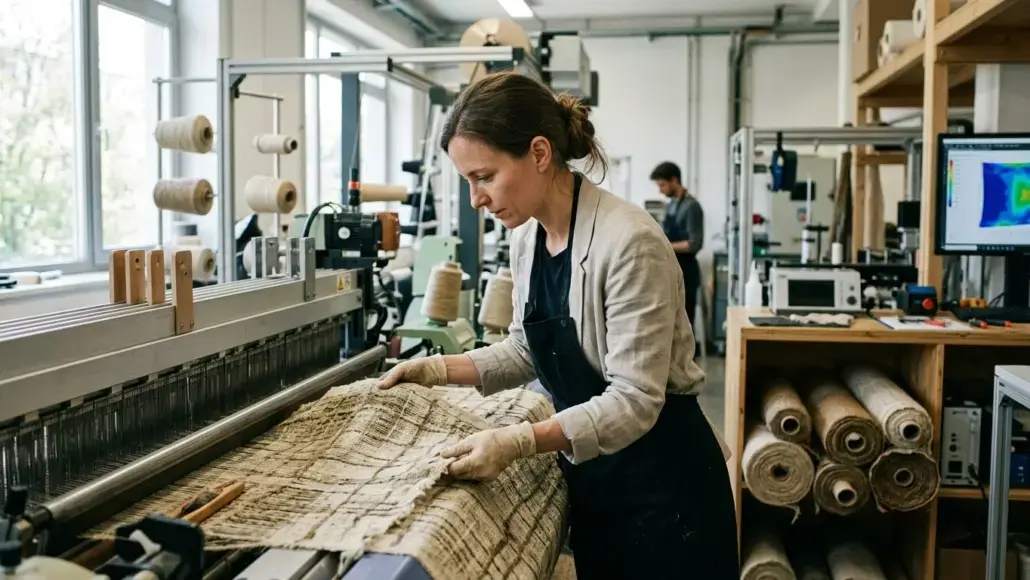
The materials sector is currently experiencing a wave of advancements that are redefining how products are designed and manufactured. From the integration of renewable feedstocks in performance apparel to the development of versatile printing systems, these developments highlight a significant shift toward modernizing production. This article explores the latest updates in sustainable textile innovation, focusing on engineered fibers and next-generation manufacturing processes.
Arena Introduces Bio-Based Swimwear Collection
Swimwear brand Arena has announced the launch of its first collection utilizing Lycra EcoMade fiber. This specific material is composed of 70 percent renewable, plant-based feedstocks, primarily industrial corn. By utilizing this alternative, the brand aims to reduce its reliance on traditional fossil fuel-based inputs. The new bio-based swimwear line, titled Vitalife, is designed to maintain the high-performance standards required for aquatic sports.
According to technical specifications, the Lycra EcoMade fiber performs identically to conventional elastane. It offers necessary resistance to chlorine, UV exposure, and sunscreen, ensuring durability in various environments. The Vitalife collection features a diverse color palette, ranging from soft pastels to deep rust red. Peter Graschi, CEO of Arena, noted that while many of their existing products already incorporate recycled fiber technology, this collaboration represents a further advancement in their material strategy. By introducing bio-derived elastane, the company maintains product quality while transitioning away from virgin resources. The collection is scheduled for an initial e-commerce launch on December 4, with a broader rollout to sports retailers expected in 2027.
Advancements in Printing and Webbing Production
Technological innovation is also reaching the hardware used in garment embellishment. xTool is preparing to release the O1 Omni Printer, a desktop device capable of printing on both apparel and rigid surfaces. This system integrates direct-to-garment (DTG) and direct-to-film (DTF) technologies, alongside UV printing capabilities. For designers, this means a single workflow can now handle synthetic fabrics, which are better suited for DTF, as well as natural materials like cotton that utilize DTG. The device is Oeko-Tex certified and is designed to produce designs that withstand up to 50 washes. The official launch is set for July 15.
In the outdoor gear sector, Xiamen Jude Webbing is addressing the technical requirements of high-tension materials. To combat the effects of UV radiation on color durability, the manufacturer is employing solution dyeing. This process embeds pigment directly into the polyester melt rather than applying it to the surface. Testing under the ISO 105 standard showed a UV fastness grade of 4.5 after 1,000 hours of exposure. Additionally, the use of specialized looms ensures even density, which minimizes material lengthening under tension. These sustainable manufacturing choices are complemented by heat-setting processes that reduce shrinkage to 3 percent at high temperatures, ensuring compatibility with hardware like buckles.
Recognition of Excellence: Textile Recycling Awards
The inaugural Textile Recycling Awards recently took place in Brussels, honoring six organizations for their contributions to the circular economy. The event, organized by AMI, highlighted various approaches to waste management and material recovery. Beyond Retro and Bank & Vogue received the Retailer of the Year award for their work in the vintage clothing market. Elis was recognized with the Product of the Year award for its Workwear to Workwear line, which utilizes 100 percent recycled material by overcoming the challenges of removing fasteners and elastics during the recycling process.
Specialized Category Winners
The awards also focused on specific technical achievements within the industry:
- Green Worms Waste Management received the Textile Collection & Sorting Award for its work in post-consumer waste recovery.
- Circ was honored for its recycled fiber technology that converts polyester-cotton waste into new lyocell and polyester.
- Renasens won the Innovation in Recycling Technology Award for a waterless process that separates fibers in blended garments without damaging them.
- Jacob Nathan, founder of Epoch Biodesign, received the Rising Star award for using enzymes to recover nylon from complex waste textiles.
This gathering in Brussels brought together over 5,600 participants, underscoring the growing importance of sustainable textile innovation. Each recipient demonstrated a commitment to evolving the supply chain, from collection and sorting to advanced chemical recycling. As the industry moves forward, these textile recycling awards serve as a benchmark for progress in material science and environmental responsibility. The bio-based swimwear launch and the new printing technologies further illustrate a comprehensive effort to modernize the textile landscape through sustainable practices and constant innovation.

