





























Bangladesh’s labour authorities have temporarily suspended operations at three garment factories in Chattogram after structural assessments raised serious concerns about the safety of the building housing the facilities. The move reflects the country’s continued emphasis on preventing industrial accidents and strengthening workplace safety within the ready-made garment (RMG) sector.
The Bangladesh garment factory safety action affects HB Fashions, HKTG Garments, and Chumki Apparels, all of which operate from a six-storey commercial building located on Colonel Jones Road in Chattogram.
According to official sources, the production halt is a precautionary measure introduced after technical inspections identified potential structural weaknesses that require further evaluation and corrective work before manufacturing can safely resume.
The decision followed a meeting of the Regional Crisis Prevention Committee held on 2 July at the Chattogram Circuit House. During the meeting, the RMG Sustainability Council (RSC) presented findings from its engineering assessment, warning that continued factory operations inside the building could pose risks to both workers and property.
Based on its evaluation, the RSC recommended a series of immediate safety measures. These include vacating structurally vulnerable sections of the building, reducing excessive structural loads, installing temporary support systems, and suspending manufacturing activities until repair work is completed and a fresh technical inspection confirms the building is safe for occupancy.
HB Fashions occupies the entire six-storey premises, while HKTG Garments and Chumki Apparels operate from the ground, first and second floors.
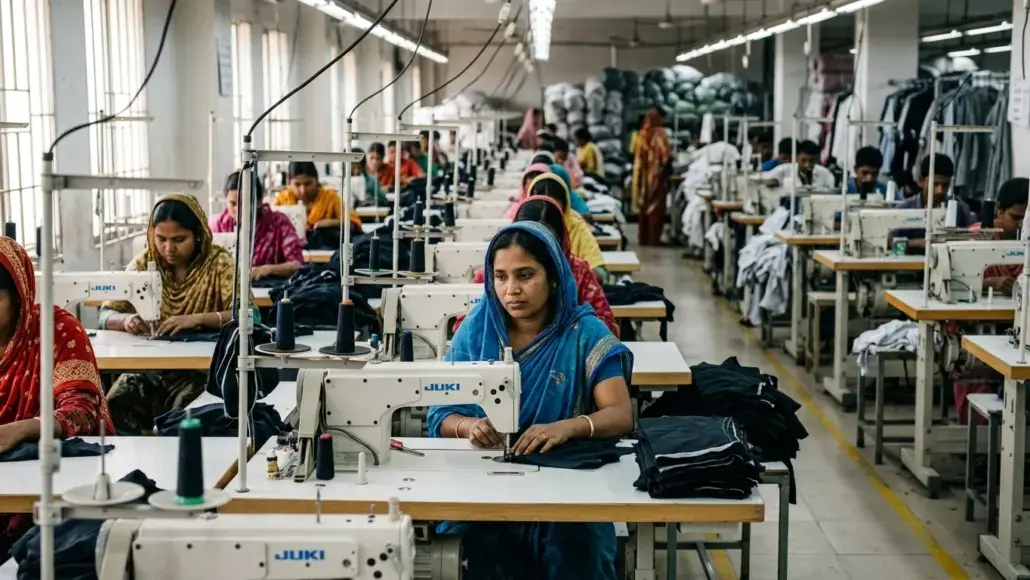
Reports indicate that Chumki Apparels has remained closed for nearly seven years because of financial challenges. The remaining two factories together employ approximately 1,300 workers, many of whom have been affected by the temporary suspension.
Before issuing the formal closure order, Bangladesh’s Department of Inspection for Factories and Establishments (DIFE) had already instructed the factories to suspend production until the building’s structural integrity could be verified.
Chattogram Deputy Commissioner Mohammad Zahidul Islam Miah stressed that protecting workers must remain the highest priority, noting that Bangladesh cannot risk repeating industrial disasters such as the Rana Plaza tragedy. He said production would only be allowed to restart after the building had been repaired and officially certified as safe.
DIFE Deputy Inspector General Mohammad Mahbubul Hasan also supported the decision, stating that the suspension was necessary to ensure worker safety.
Meanwhile, HKTG Garments Managing Director Enamul Aziz Chowdhury expressed concern over the immediate shutdown, citing uncertainty for around 300 to 350 employees. He said approximately 70% to 80% of the renovation work had already been completed and that production had already been shifted away from areas identified as unsafe.
Mohammad Ali Shaheen, Advocacy Head at IPSA, urged authorities to balance worker protection with employment security by ensuring manufacturing activities could continue wherever safe working conditions are available.
Chumki Apparels Managing Director Abu Haider Chowdhury stated that renovation work is progressing according to the committee’s recommendations and confirmed the factory plans to resume operations once all required repairs have been completed and safety approval is obtained.
The Bangladesh garment factory safety action highlights the country’s continued efforts to strengthen industrial safety standards while protecting workers and avoiding structural failures within one of its most important export industries.