




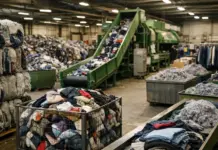



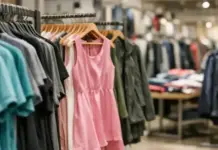
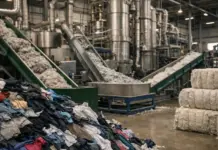







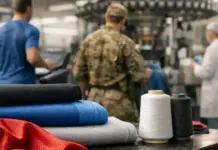





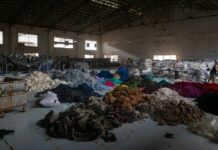






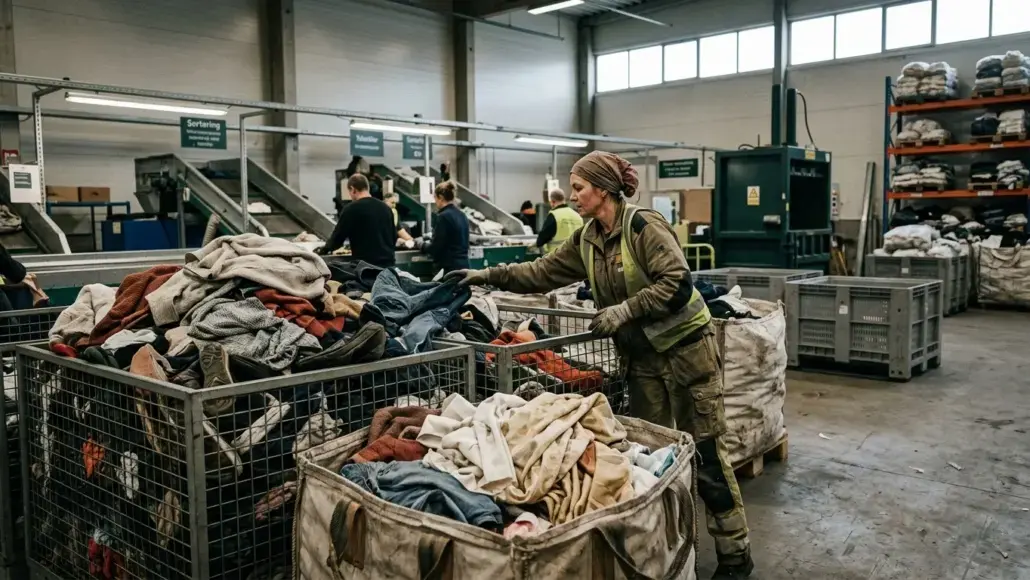
The Norwegian government is currently evaluating a set of regulations designed to hold corporations accountable for the financial costs associated with the collection and processing of discarded materials. These Norway textile waste rules would mandate that businesses contribute to the management of various products, including apparel, footwear, and household items such as curtains. Under the proposed environmental policy, a producer responsibility system would be established, requiring manufacturers, importers, and retailers to pay into a fund based on the volume of goods they introduce to the market.
Shifting the Financial Burden of Textile Waste Management
This initiative represents a significant shift in how the country handles textile waste management. By implementing a producer responsibility framework, the government aims to transfer the economic weight of waste processing from local municipalities and individual consumers back to the commercial entities supplying the products. This move follows the introduction of new sorting requirements aligned with an EU directive. Recent data indicates the scale of the challenge: last year, residents in Norway discarded approximately 45,000 tonnes of textiles into household residual waste. Additionally, the volume of textiles purchased from foreign online retailers reached 13,000 tonnes, representing a 263 percent increase compared to the previous year.
Advocating for Clothing Recycling and Sustainable Fashion
Experts and researchers suggest that much of what is currently thrown away still holds value. Synnøve Rubach, a researcher at the sustainability institute Norsus, noted that many items found in the waste stream are suitable for reuse or clothing recycling. This perspective is shared by those advocating for sustainable fashion, such as Kristin Vaag, who focuses on utilizing reused materials. Vaag emphasizes that a shift in consumer habits is necessary, moving away from rapid replacement toward the maintenance and repair of quality garments. She suggests that becoming more quality-conscious and considering secondhand options are essential steps for modern consumers.
Industry Requirements for a National Collection System
From an industrial standpoint, there is a recognized need for structural support to meet these new Norway textile waste rules. Ylva Eline Erbach, representing the industry initiative Tekstilpro, stated that while businesses are prepared to provide financial contributions, the success of the environmental policy depends on a coordinated national infrastructure. Such a system must include standardized sorting processes and reliable collection methods to ensure that even damaged textiles can be utilized as raw materials. For the broader industry, these developments serve as a clear indication that the traditional model of high-volume, low-cost turnover may soon face higher regulatory costs. Strengthening textile waste management through improved clothing recycling and sustainable fashion practices remains the primary objective of the proposal.