







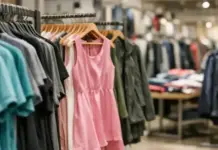



















The global fast fashion supply chain is facing a significant disruption as conflicts near the Strait of Hormuz threaten petroleum shipments. While consumers often associate oil prices with gasoline and travel, the reality is that modern wardrobes are heavily dependent on petroleum. Materials such as polyester, nylon, and spandex are fundamentally tied to crude oil. As a result, the fast fashion supply chain is beginning to feel the pressure, with the most affordable garments—like a $1 pair of tights from Shein or a $15 coat from Temu—potentially facing the most severe impacts.
How Rising Oil Prices Disrupt Synthetic Fibers
The initial response to this supply chain shock has been panic buying among apparel brands. This reaction has created a divide among the petrochemical companies responsible for manufacturing synthetic fibers. For instance, Tongkun Group, which produces approximately 18 percent of the world’s polyester yarn, anticipates its net income will triple in the first half of the year. This surge is driven by apparel brands bidding up product costs to secure inventory, pushing polyester futures in China up by 25 percent in March to a near four-year high.
Production Challenges for Raw Materials
Conversely, other suppliers are struggling. Hengli Petrochemical, which refines crude oil into polymer resins and supplies companies like Tongkun, has seen its shares drop by nearly a third this year as it idles production amid dwindling crude supplies. Consequently, Chinese production of synthetic fibers dropped by 11 percent in April, marking its lowest point since 2024. Even profitable suppliers are navigating a delicate financial balance, relying on rapid customer payments and short-term loans to maintain their operations amidst fluctuating oil prices.
Apparel Brands Pivot to Alternative Materials
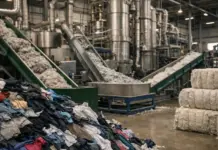
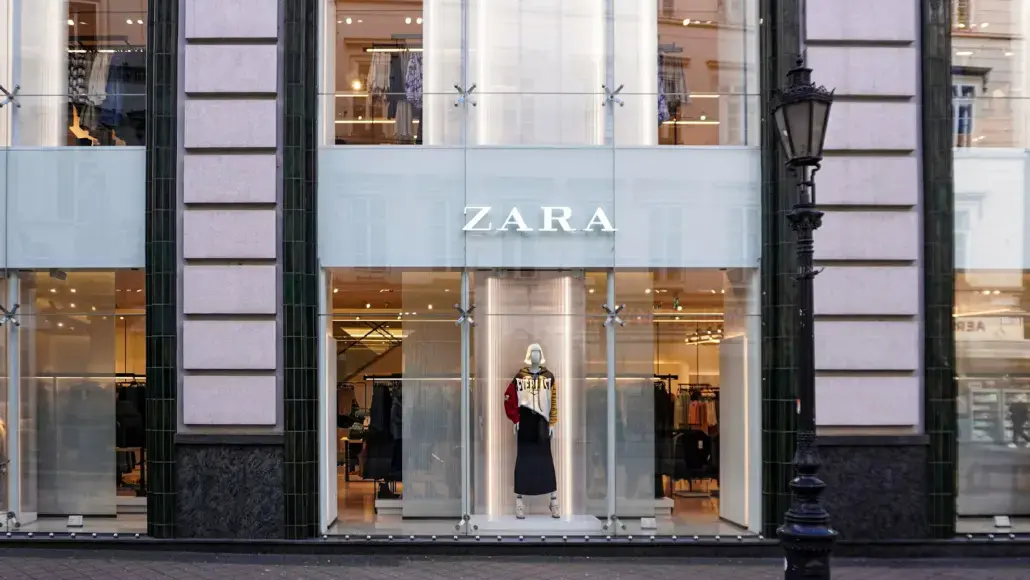
With primary plastic reserves slowly depleting, companies that previously invested in alternative materials are finding themselves in a stronger position. The best defense against a disrupted supply chain is a reliance on recycled materials. Zara and H&M are currently better positioned to weather the storm compared to Uniqlo. Almost all the polyester used by Zara and H&M comes from recycled sources, whereas Uniqlo relies more heavily on highly engineered virgin fabrics.
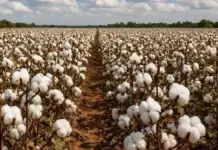
Natural alternatives are not entirely immune to these global pressures. India, the second-largest producer of cotton, relies on the Gulf for natural gas and urea to produce fertilizer. While production has not yet halted, market conditions are tightening. Cotton prices reached a two-year high in May, and global inventories are trending toward their lowest levels in a decade, further complicating sourcing for fast fashion.
Transportation Costs Compound the Issue
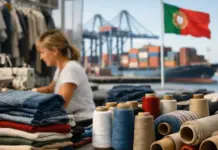
Beyond the creation of synthetic fibers, the industry relies on petroleum to transport goods globally. Every order placed with Temu or Asos essentially reserves space on cargo planes connecting Asian manufacturing hubs to the rest of the world. For example, Zaragoza in Spain serves as a massive air-freight hub primarily due to nearby logistics centers operated by Zara.
According to the leadership at Crocs, transportation expenses could potentially have a more substantial impact on profit margins than the rising cost of plastic resins. While consumers may not see immediate price hikes on the racks, the financial strain is inevitable. The chief financial officer for the parent company of Timberland and North Face noted that squeezed margins are more likely to become visible in the year leading up to March 2028, rather than the 2027 fiscal year. Ultimately, shoppers looking to reduce their reliance on single-use plastics might need to reevaluate their clothing purchases, as discarded online fashion remains a significant source of polymer waste.

