






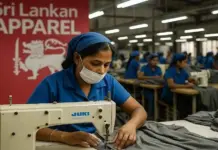
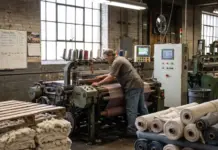


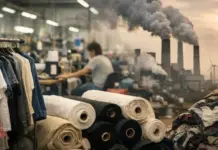



















Recent industry showcases highlight growing efforts to address end-of-life garment processing through advanced sorting, repair platforms, and fiber-to-fiber recycling. However, industry analysis indicates that downstream technological solutions alone cannot keep pace with the massive scale of discarded garments, pointing instead to the necessity of robust circular infrastructure and established textile reuse systems.
Volume Pressures and Upstream Realities
In the United States, consumers discard an estimated 10.4 billion items of wearable clothing annually, equivalent to approximately 4,000 truckloads per week according to 2024 industry statistics. In states such as California, the volume of garments sent to landfills continues to outpace current repair initiatives and recycling technology capabilities. As a result, industry experts emphasize that effective circular infrastructure relies heavily on maximizing the lifespan of existing garments through global textile reuse systems.
Economic Impact and Labor Dynamics
The secondhand clothing market serves as a significant economic driver. Employment data shows that the sector supports roughly 342,000 jobs in the U.S., compared to fewer than 90,000 positions in domestic apparel manufacturing. Regional collection reports in California indicate that expanding collection mechanisms and diverting secondhand clothing for reuse generates thousands of green jobs while simultaneously lowering overall emissions. By comparison, traditional apparel manufacturing operates on smaller domestic employment figures, underscoring the economic weight of the reuse sector.
Global Trade and Affordability
International trade metrics illustrate that used garments fulfill crucial consumer needs by offering affordable alternatives to new imports. In Guatemala, used clothing imports under Harmonized System code 6309 totaled 131 million kilograms in 2023, with 98.6 percent originating from the U.S. These garments cost less than a quarter of the price of new apparel imports. Similarly, in El Salvador, pre-owned garments constitute nearly one-third of all clothing imports. A study examining over 21 million garments in the region revealed that 99.6 percent were sold for under $15, with $3 marked as the most common price point.
Managing Discard Streams and Policy
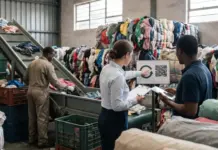
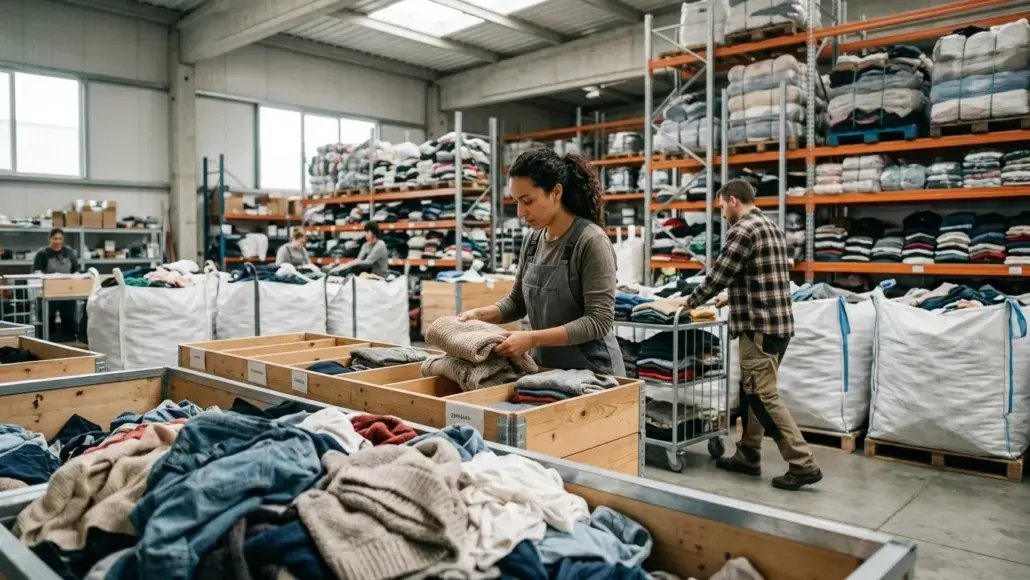
Data regarding downstream textile waste shows that actual waste percentages within the global used clothing trade remain relatively low. Studies indicate that overall waste levels in imported shipments typically fall below 5 percent. Specific trade evaluations in Guatemala recorded textile waste figures between 9.2 percent and 11.8 percent in unsorted bales, which dropped to approximately 5 percent within sorted streams. Importers frequently favor unsorted imports, known as “ropa cruda,” as the sorting process creates local green jobs and supports demand-driven pricing. Mandatory pre-export sorting requirements risk displacing economic value and local employment without guaranteeing better environmental outcomes.
Achieving meaningful sustainability requires prioritizing waste reduction, designing garments for durability, and evaluating extended producer responsibility programs based on waste prevention and extended product lifespans.

