
























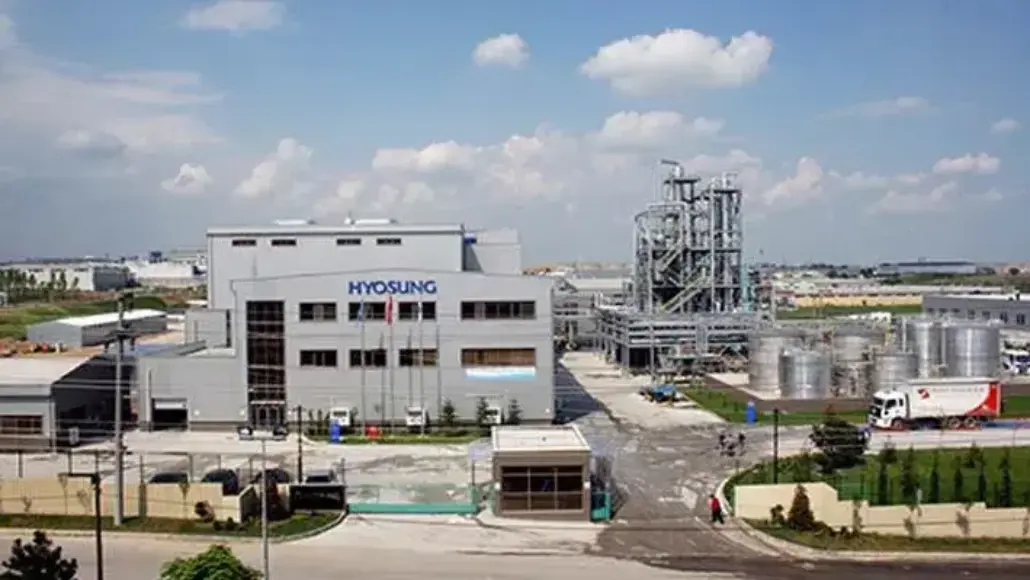
The completion of a strategic expansion project in South America has finalized a comprehensive global manufacturing network for the personal hygiene spandex sector. Hyosung has confirmed that its manufacturing footprint now officially spans five key regions, including South Korea, China, India, Turkey, and Brazil. This interconnected infrastructure allows the organization to serve both regional and international clients with increased manufacturing flexibility and localized technical support.
Strengthening Regional Supply Chains in the Americas
The operational growth of the Brazil production facility is a central component of this strategy, placing production assets in closer proximity to partners throughout the Americas. This geographic shift is intended to provide significantly shorter lead times and improved response speeds. Furthermore, the localized approach offers economic advantages through reduced logistics expenses, as well as the mitigation of various duties and taxes.
To ensure high standards of quality, local technical teams at the Brazil production facility are set to work in direct coordination with customers. This collaboration aims to accelerate the development of new products and ensure that spandex manufacturing remains aligned with the specific requirements of the regional market.
Executive Perspectives on Global Resilience
Scott Blackadar, the global leader for personal hygiene at Hyosung TNC, noted that the expansion of the Brazil facility represents a significant milestone in the development of a global manufacturing network. He stated that by adding production capacity in the Americas, the company is bringing manufacturing closer to its customers, which enables faster response times and greater supply chain resilience. Blackadar further emphasized that this move supports stronger collaboration to drive innovation and satisfy the rising demand for high-quality hygiene products on a global scale.
Risk Mitigation and Future Market Positioning
As international logistics and commerce face ongoing geopolitical uncertainty, a diversified manufacturing network is becoming essential for maintaining security of supply. By operating five dedicated personal hygiene spandex facilities across the globe, the organization aims to mitigate risks and ensure that clients have uninterrupted access to essential materials.
With these five established locations, the company is positioned to accommodate future market expansion. Continued investments in spandex manufacturing capacity are planned to ensure that as the global need for hygiene products grows, the supply chain remains reliable and capable of meeting high-quality standards.