























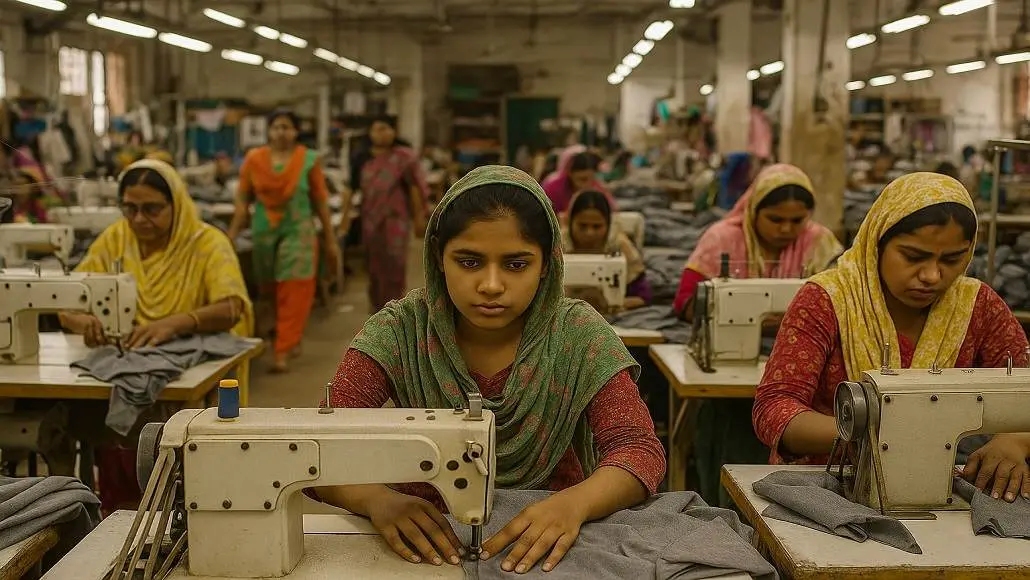
The Bangladesh apparel industry is undergoing a significant transformation as it moves away from its traditional reputation as a source of inexpensive labor. According to the latest findings in the Bangladesh Apparel Report, the sector is pivoting toward a value-driven model that prioritizes quality and environmental compliance. This Bangladesh apparel shift signifies a strategic realignment to meet the changing demands of the global marketplace.
Transitioning Toward High-Value Production
Industry stakeholders are increasingly focusing on the production of high-end, complex garments rather than basic high-volume items. By enhancing the technical capabilities within garment manufacturing facilities, the sector aims to secure better margins and long-term industrial resilience. This Bangladesh apparel shift is being supported by significant investments in automation and worker training to ensure that the quality of production matches international expectations.
Integration of Sustainable Fashion Standards
A central component of this evolution is the industry’s commitment to environmental responsibility. The country currently leads the world in the number of LEED-certified green factories, showcasing a dedicated approach to sustainable fashion. These green factories are designed to reduce carbon footprints and resource consumption, which has become a critical requirement for maintaining robust clothing exports to Western markets.
Strengthening Global Market Position
To sustain the growth of clothing exports, the Bangladesh apparel industry is addressing internal challenges related to infrastructure and energy efficiency. By adopting sustainable fashion practices and upgrading garment manufacturing processes, the sector is positioning itself as a reliable and ethical partner for global brands. The emphasis remains on transparency and the implementation of international labor standards to ensure the industry remains competitive on a global scale.