
























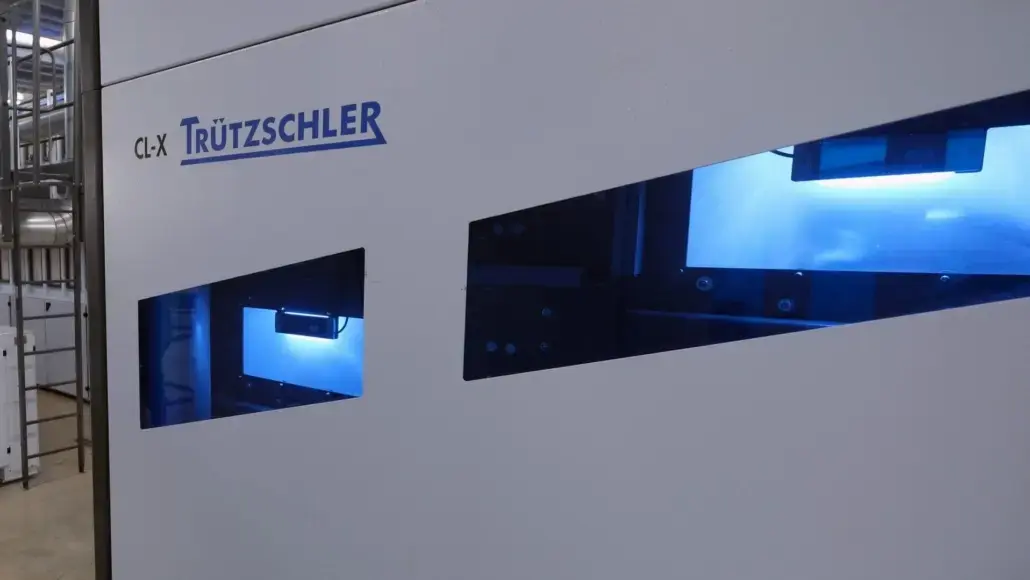
In the initial industrial processing of cotton, the ginning stage serves as the critical junction where harvested seed cotton is dried, cleaned, and partitioned into fibers, seeds, and waste. While the primary fibers are baled for textile manufacturing, the remaining waste fraction often retains a notable amount of usable material. Traditional ginning methods frequently result in waste containing up to 0.8% high-quality fibers. These fibers, despite their intrinsic value, are typically lost within trash mixtures, leading to increased logistics costs and diminished economic returns. To address this, the CL-X machine, developed by Truetzschler, provides a solution by being positioned directly downstream from the ginning equipment to maximize fiber recovery.
Optimizing Ginning Operations in Brazil
A major ginning facility in Brazil recently integrated this cotton cleaning technology to refine its processing of approximately 500,000 tons of cotton annually. Under standard operations, about 65% of this volume—equivalent to 65,000 tons—is separated as seeds and waste. Historically, this portion included 4,000 metric tons of valuable fibers that remained unrecovered. By implementing the CL-X, the customer successfully separated these usable fibers from the actual waste at an early stage.
Economic and Logistics Benefits
The introduction of the Truetzschler system led to a higher yield of marketable fibers and a corresponding waste reduction. This shift not only reduced the physical volume of waste requiring transport but also allowed the customer to secure better pricing for the recovered material. Following these results, the ginnery has commissioned four additional CL-X units to expand its capabilities. This case demonstrates that efficient cotton cleaning creates value that extends well before the material reaches the spinning mill.
Performance Benchmarks in Global Spinning Mills
Beyond ginning, the CL-X is establishing new standards in spinning preparation. In Vietnam, a rotor spinning operation compared the CL-X against previous pre-cleaning systems under identical conditions. The results showed a total waste reduction of 0.5% to 0.8%, alongside a measurable improvement in yarn quality. Furthermore, the mill recorded a 40% decrease in power consumption. This reduction in energy usage provides a significant advantage for sustainable spinning by lowering operational overhead.
Efficiency Gains in Turkish Textiles
Similar success was observed at a spinning mill in Turkey processing 100% cotton at a rate of 1,100 kg/h. In this instance, the Truetzschler CL-X replaced a competitor’s machine, resulting in 80% less waste and a 30% reduction in energy consumption. The technological transition allowed the mill to consolidate its operations; a single CL-X now performs the tasks that previously required two machines. This streamlined approach contributes to a more stable blowroom operation and supports sustainable spinning through improved resource efficiency.
Real-Time Optimization with WASTECONTROL
The technological driver behind these successes is an advanced cleaning concept centered on the WASTECONTROL system. This technology utilizes real-time data to monitor trash content and raw material quality continuously. If the system detects an excess of good fibers within the waste stream, it automatically suggests optimized settings to minimize loss. Efficient cotton cleaning is thus maintained across varying material conditions, ensuring that fiber recovery remains at peak levels throughout the entire value chain. By applying this cotton cleaning technology, operators can unlock new economic potential from their raw materials.