






















A new international consortium comprising nine partners from seven European nations has officially launched MELANGE, an initiative designed to transition the interior textile sector toward more sustainable textile production. Led by Finland’s Aalto University, the project seeks to reframe aesthetic variations in fabric as a hallmark of uniqueness rather than a manufacturing flaw. This initiative addresses the environmental impact of traditional dyeing processes by focusing on the interior textile value chain, an area that represents approximately one-third of global textile output.
Advancing Sustainable Textile Coloration Through Innovative Dyeing Techniques
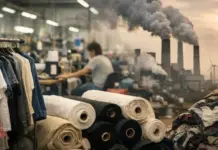
Conventional fabric production often relies on applying color at the final stages of manufacturing to ensure strict uniformity. This demand for perfect replication often leads to high consumption of water, energy, and chemical agents. Furthermore, the rigid requirement for uniformity can hinder circularity, as it discourages the use of recycled materials which naturally possess variations in shade. MELANGE intends to disrupt this cycle by prioritizing sustainable textile coloration through the advancement of fiber-stage coloration technologies.
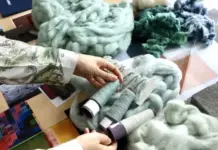
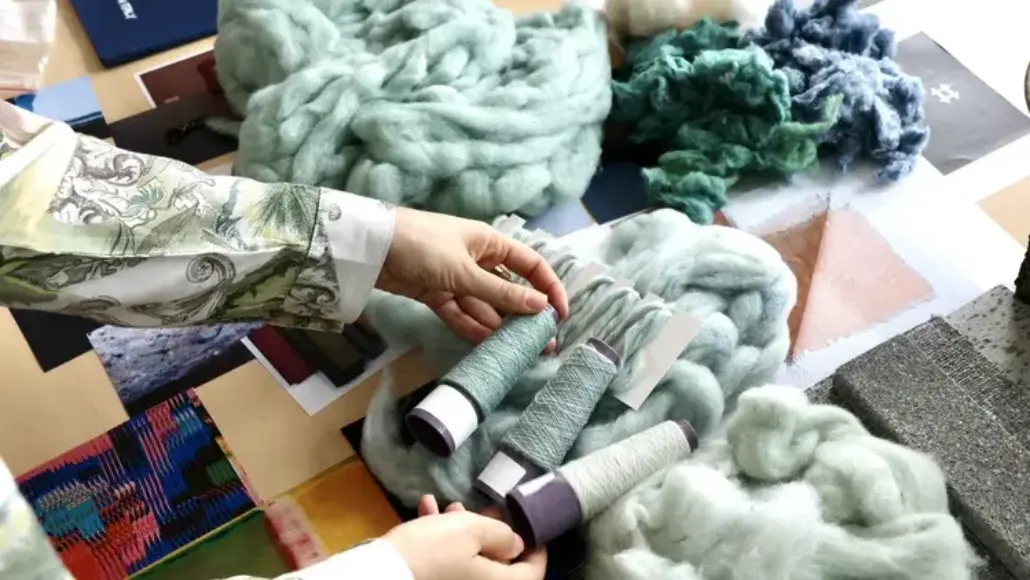
By utilizing techniques such as spin, dope, and solution dyeing, the project aims to integrate color earlier in the production cycle. This shift is expected to reduce water and chemical consumption by as much as 50% compared to traditional finishing-stage methods. The project draws inspiration from heritage practices in Prato, Tuscany, where pre-colored recycled fibers are blended by shade to create new textiles without the need for intensive re-dyeing.
Implementing Circular Textile Solutions Across the Value Chain
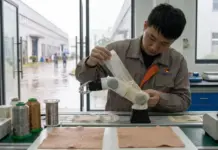
The MELANGE project utilizes a “design locks” framework to tackle four primary obstacles to industry change: aesthetics, production practices, business models, and policy. This multi-disciplinary approach encompasses the entire journey from fiber to finished fabric. Research activities will include the analysis of current coloration standards, the development of prototypes using fiber-stage coloration, and the testing of new industrial workflows.
A significant portion of the textile sustainability project involves exploring how B2B marketing and business models can evolve to accept and promote aesthetic variation. By treating shade differences as a valued characteristic, the consortium aims to make interior textile design a primary driver of European competitiveness.
Collaborative Efforts and Integration into the European Innovation Ecosystem
Textile ETP is tasked with leading the dissemination and stakeholder engagement activities for the project. The organization will manage communication through various digital channels and integrate MELANGE findings into the broader ECOSYSTEX initiative. This collaboration focuses on fostering synergy among European Union projects dedicated to circularity and establishing a robust Community of Practice for sustainable innovation.
Lutz Walter, Secretary General of Textile ETP, noted that while the industry frequently focuses on fashion and clothing recycling, MELANGE addresses the often-overlooked sectors of interior textiles and color management. Walter stated that the project will provide professionals in interior textile design with the necessary tools and best practices to utilize color as a lever for sustainability. He added that the project aims to demonstrate how these new design practices can be effectively integrated and scaled within the global business environment.
Through these circular textile solutions, the consortium plans to identify and recommend new industry standards and policies. By documenting and testing sustainable heritage techniques alongside modern fiber-stage coloration, MELANGE seeks to provide a verifiable pathway for the industry to reduce its environmental footprint while maintaining high aesthetic standards.

