































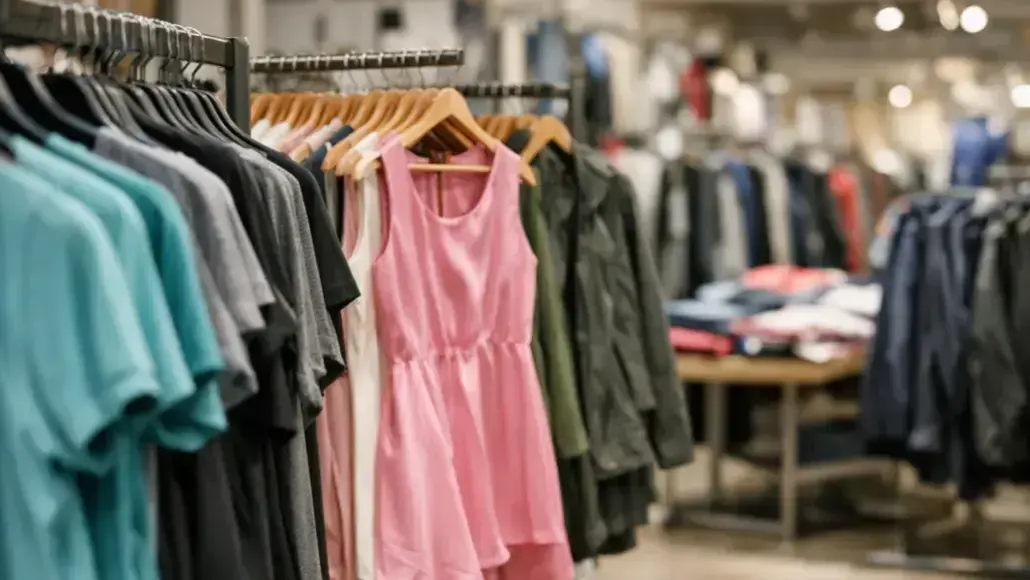
Walk into any clothing store today and chances are most of what you see is made from polyester. It is in the activewear lining the shelves, the dresses hanging in fast fashion outlets, and even in garments that claim a natural, premium feel. Polyester in fashion is not a new development — it has been building its dominance for decades. But the scale of that dominance, and the difficulty of unwinding it, is only now becoming fully apparent.
Polyester now accounts for more than half of global fiber production. That is a staggering figure when you consider that cotton was once the undisputed king of textiles. The shift did not happen by accident. It happened because polyester is cheap, durable, and versatile — qualities that clothing brands have found nearly impossible to walk away from.
How Synthetic Fabric Became the Industry Standard
The rise of synthetic fabric in mainstream fashion tracks closely with the explosion of fast fashion over the past three decades. As brands raced to lower costs and accelerate production cycles, polyester offered something cotton simply could not: a material that was inexpensive to produce, easy to work with, quick to dry, and resistant to wrinkles and shrinkage.
Polyester in fashion gained further ground because it blends well with other fibers. A cotton-polyester blend, for instance, gives manufacturers the softness of cotton with the structural resilience of synthetic fabric. For clothing brands trying to hit a price point while maintaining a presentable product, that blend became a reliable formula.
The economics are hard to argue with. Polyester is derived from petroleum, and its production costs have historically been lower than those of natural fibers like cotton. Growing cotton is land-intensive, water-intensive, and subject to the unpredictability of weather and crop yields. Polyester, by contrast, is manufactured at scale with relatively predictable inputs.
The Consumer Relationship With Polyester
Consumers have had a complicated relationship with polyester. In its early commercial forms, polyester fabric was associated with the stiff, shiny suits of the 1970s — garments that did not breathe well and felt artificial against the skin. That reputation lingered for years, keeping polyester in fashion’s cheaper tiers while natural fibers commanded premiums.
But textile technology advanced. Modern polyester bears little resemblance to its earlier versions. Microfiber polyester can mimic the drape of silk. Performance polyester wicks moisture and regulates temperature. Recycled polyester, made from plastic bottles, has given the synthetic fabric a sustainability story that clothing brands have been eager to promote.
Despite these advances, polyester still struggles with one fundamental drawback: it sheds microplastics when washed. Tiny synthetic fibers are released into wastewater with every laundry cycle, eventually making their way into waterways and oceans. This has become a significant environmental concern, and it is one that clothing brands using polyester have increasingly had to address in their public communications.
Why Clothing Brands Can’t Simply Switch to Cotton
The obvious question is why clothing brands don’t simply return to cotton if consumers and environmentalists are uneasy about synthetic fabric. The answer lies in the economics and logistics of global supply chains.
Cotton clothing costs more to produce. Cotton prices are volatile, affected by droughts, floods, trade policies, and shifts in global demand. For clothing brands operating on thin margins in a highly competitive market, committing to cotton at scale is a financial risk that many are unwilling to take. Polyester, with its more stable pricing and abundant supply, remains the safer commercial bet.
There is also the matter of performance. For categories like sportswear and outdoor apparel, synthetic fabric genuinely outperforms cotton in terms of moisture management, durability, and weight. Cotton clothing, while comfortable, does not meet the technical demands of high-performance garments in the way that polyester does. Clothing brands serving athletic or outdoor markets have strong functional reasons to stay with synthetic fibers, not just economic ones.
The Recycled Polyester Question
One of the most widely discussed alternatives within the synthetic fabric space is recycled polyester, often referred to as rPET. Clothing brands including major global retailers have made public commitments to increase their use of recycled polyester in place of virgin polyester derived directly from petroleum.
The appeal is understandable. Recycled polyester in fashion allows brands to reduce their dependence on new fossil fuel-derived inputs while still using the synthetic fabric they are operationally accustomed to. It also feeds into the broader circular economy narrative that has gained traction in sustainability discussions across industries.
However, recycled polyester is not without complications. It still sheds microplastics in the wash, just as virgin polyester does. The recycling infrastructure for mixed-fiber garments remains limited, meaning that polyester blended with cotton or other fibers is often not practically recyclable at end of life. And the supply of recyclable plastic feedstock, while large, is not unlimited.
Clothing brands that have leaned heavily on recycled polyester as their primary sustainability credential have faced scrutiny over whether the practice genuinely reduces environmental harm or simply reframes it.
Cotton’s Complicated Comeback
For all the dominance of polyester in fashion, cotton has not disappeared. It remains the second most widely used fiber in the world, and demand for certified organic cotton and sustainably sourced cotton has grown as consumers have become more conscious of what their clothes are made from.
Some clothing brands have made cotton clothing a deliberate point of differentiation, positioning natural fibers as a premium, more ethical alternative to synthetic fabric. The market for such products exists, and it is growing, but it remains a fraction of the overall apparel market.
The challenge for cotton is systemic. Conventional cotton farming has its own significant environmental footprint, requiring substantial pesticide use and water consumption. Organic cotton addresses some of those concerns but is more expensive to grow and commands a smaller share of global cotton production. Scaling organic or sustainably grown cotton to meet the volume needs of mass-market clothing brands is a long-term challenge without a straightforward near-term solution.
A Market Stuck Between Economics and Expectations
The fashion industry finds itself caught between two pressures that do not easily resolve. On one side, the economics of global apparel production continue to favor polyester. On the other, growing consumer awareness around microplastics, environmental sustainability, and material transparency is generating demand for alternatives, including cotton clothing and other natural or bio-based fibers.
Clothing brands are responding by diversifying their material mixes, investing in material innovation, and making incremental shifts in their sourcing practices. But a wholesale departure from synthetic fabric — from polyester in fashion — is not on the immediate horizon for the industry at large. The structural dependencies are too deep, and the alternatives too limited at the scale that global fashion requires.
What is clear is that the conversation around polyester, synthetic fabric, and the future of clothing materials is no longer confined to specialist sustainability circles. It has moved into mainstream fashion discourse, driven by consumer questions, regulatory attention, and media coverage that has made the material composition of clothing a topic of genuine public interest.
The fabric question, in other words, is no longer a background issue. For clothing brands, consumers, and the industry as a whole, what goes into a garment matters more now than it has in a very long time.

