

























Indonesia’s textile sector — a segment that employs approximately 4 million people and generates around $12 billion in annual exports — is at the centre of a fresh government-led push to restore its footing in a fiercely competitive global market. The Indonesia textile industry revival effort comes amid persistent competitiveness pressures, with older factories and upstream producers reportedly bearing the brunt of the strain even as some parts of the sector show signs of improvement.
The government’s proposed package is wide-ranging. It includes cheaper financing for machinery upgrades, renewed tax holidays, an integrated production zone linking upstream and downstream operations, adjustments to import rules, VAT changes, and greater flexibility in hiring for seasonal orders. Broad as the package is, industry stakeholders are asking a more pointed question: does it go far enough to address the structural weaknesses that have long undermined the sector’s ability to compete?
The Machinery Problem and the Limits of Cheaper Financing
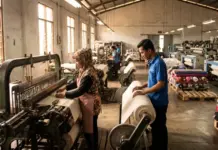
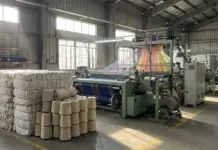
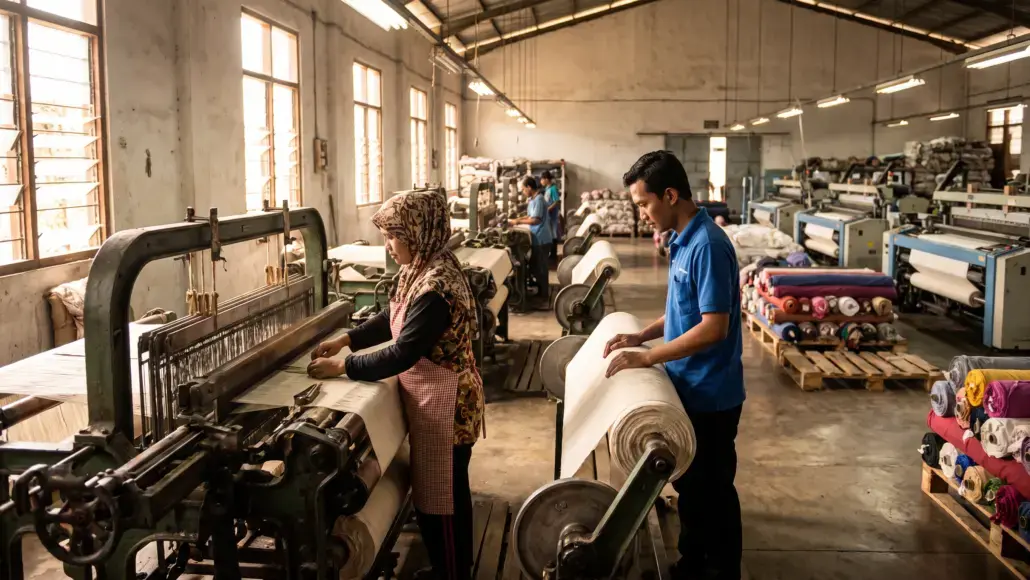
Productivity remains one of the most cited challenges within the Indonesia textile industry. Industry associations have long flagged ageing equipment as a significant handicap — old machinery raises operating costs, reduces efficiency, and limits a manufacturer’s capacity to fulfil increasingly demanding global orders.
The Indonesian Fibre and Filament Yarn Producers Association, known as APSyFI, which represents the upstream segment of the industry, has identified machinery restructuring as a measure with the potential to deliver near-term productivity gains. However, the association has also been clear that cheaper financing must translate into genuine modernisation. Simply providing financial relief to companies whose underlying business models remain uncompetitive would fall short of the sector’s actual needs.
Upstream Vulnerabilities and the Import Dependence Challenge
APSyFI has also made the case that machinery upgrades alone cannot resolve the sector’s deeper structural problems. The harder challenge, it argues, lies upstream. Indonesia’s textile supply chain remains heavily reliant on imported fibre, yarn, and other intermediate materials, creating a structural imbalance that has significant consequences for domestic production economics.
Government data highlight the scale of this imbalance. In 2025, textile raw-material imports were reported at approximately $8.4 billion, compared with exports of around $3.1 billion. Meanwhile, finished clothing exports reached roughly $8.7 billion, against imports of approximately $690 million. Indonesia, in other words, is a net importer at the upstream and intermediate levels even as its garment segment continues to export competitively.
For upstream producers, the concern is clear. If imported inputs become easier and cheaper to access while domestic producers continue to face high energy and operating costs, investment in local production capacity becomes a less attractive proposition. APSyFI has therefore argued that liberalising imports cannot be the sole response to the downstream industry’s raw-material requirements. The association has called for stronger domestic demand for locally produced inputs and deeper integration between upstream and downstream manufacturers.
APSyFI has also warned that low upstream utilisation — combined with the influx of imports and weak domestic demand — is compounding pressure on local production. The longer-term concern is that Indonesia could become increasingly dependent on imported inputs while remaining concentrated in lower-value, labour-intensive stages of the textile supply chain, which is a risk directly tied to the success or failure of the Indonesia textile revival effort.
Tax Holidays: A Supporting Role, Not a Centrepiece
Many industry stakeholders caution against allowing tax incentives to become the defining feature of the government’s rescue strategy. Fiscal incentives can help reduce investment costs, but they cannot compensate for expensive energy, logistics bottlenecks, weak domestic supply chains, or competition from low-cost imports entering the market.
APSyFI has previously noted that investment-based fiscal incentives have not been sufficient on their own to generate the scale of investment and capacity expansion needed to rebuild the sector. Tax holidays, the association argues, have a legitimate role to play — but they should support a broader competitiveness strategy rather than serve as a substitute for one.
Labour Costs, Productivity, and the Competitiveness Gap
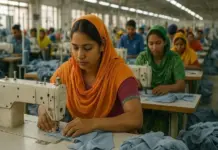
Labour costs add another dimension to the challenge. Employers have raised concerns that wages in labour-intensive industries are rising faster than productivity, with recent minimum wage increases reported at roughly 5 to 7 per cent. If this gap continues, manufacturers face mounting pressure on margins and their ability to compete for international orders.
The argument from within the industry is not simply a call for lower wages. The position, rather, is that higher labour costs need to be matched by higher productivity — driven by technology adoption, automation, efficiency improvements, and better production systems. For an industry that competes on the global stage, productivity levels matter as much as the absolute level of wages when assessing textile sector competitiveness.
The Proposed State-Owned Textile Company: Catalyst or Complication?
The government’s consideration of a state-owned textile company has drawn a mixed response. APSyFI has welcomed the concept as a potential catalyst for investment and deeper industrial integration. At the same time, some economists and industry observers have raised concerns that a state-owned producer could emerge as a direct competitor to private manufacturers if public capital is deployed simply to add production capacity to an already pressured market.
The distinction, stakeholders note, is an important one. State capital could deliver greater value if directed toward helping viable factories modernise, financing technology upgrades, strengthening raw-material supply, developing shared industrial infrastructure, or attracting private-sector investment. The view among some stakeholders is that a state-backed entity can add value by helping to build a stronger industrial ecosystem — but would offer less benefit if it simply becomes another producer in a crowded market.
Recovery Signals Amid Uneven Progress
The Indonesia textile industry is not in uniform decline. Government data show that the textile and textile-products sector has returned to growth, with recent expansion reported at around 5.6 per cent, and factory utilisation has also improved. Export demand and new investment are showing signs of picking up.
However, industry observers suggest that these headline improvements mask significant variation across the sector. Newer, more competitive producers appear to be faring considerably better than older factories that continue to grapple with higher costs and outdated equipment — exactly the segment the government’s measures are most intended to support.
What Success Should Look Like
Many within the industry argue that the success of the government’s textile push should ultimately be judged by whether it materially improves the economics of production. Competitive manufacturers need the ability to modernise equipment, secure reliable and cost-effective inputs, raise productivity, and compete on both quality and price.
The objective, as stakeholders see it, should be sustained industrial upgrading — not repeated cycles of short-term relief. Tax incentives, cheaper financing, and revised import rules can each play a constructive role. But the longer-term goal, industry voices say, is to give viable producers a credible and durable path back to competitiveness — which is precisely the structural reset that the Indonesia textile revival effort, at its core, appears to be seeking.

