





























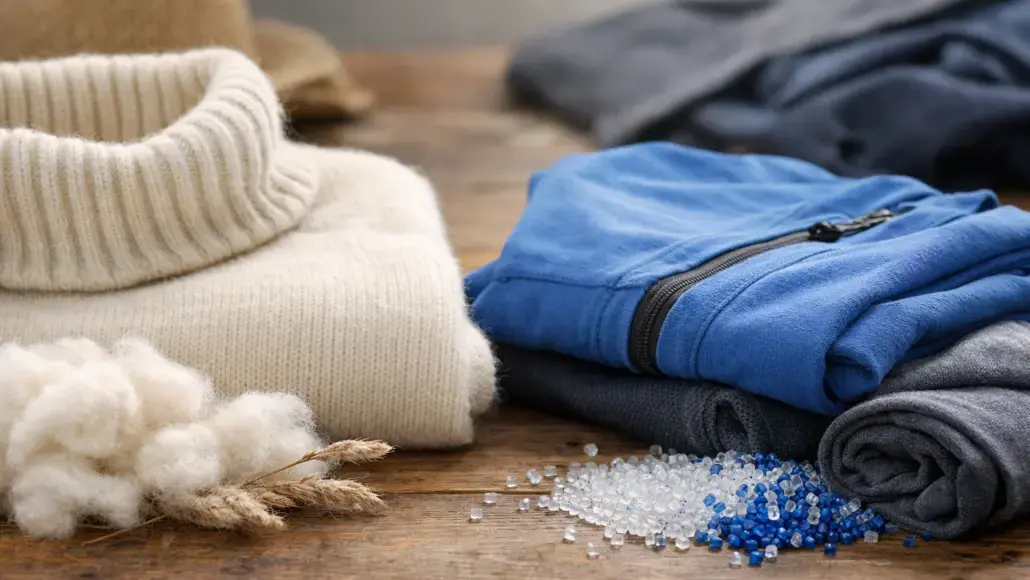
A new consumer survey conducted by Woolmark and Ipsos across the United States, France, Germany, and Italy has revealed a compelling shift in how people think about the clothes they wear. The research found that 82% of consumers would choose natural fibres over synthetic alternatives when price, style, and fit were equal — a finding that reflects a broader change in consumer expectations across the global fashion industry.
Merino Wool Outperforms Polyester Across All Markets
Across all four markets surveyed, Merino wool was preferred over polyester. Woolmark points to this consistent preference as an indicator of a wider shift in fashion toward materials that are rooted in nature and backed by evidence. Supporting this trend, the term “Merino wool” has seen its appearance in Google searches more than double over the past five years, underlining the growing consumer interest in natural fibres fashion.
Consumers Willing to Pay More — But Want Proof
The study also shed light on consumer attitudes toward quality and transparency. Some 67% of respondents said they would pay more for clothing made primarily from natural fibres. However, willingness to pay comes with a condition: consumers are not ready to simply take claims at face value.
Across the five markets covered in the Ipsos research, 71% of consumers said that independent certification or verification of fibre content and quality is important to them. This appetite for verified information positions independent certification as a key factor in purchase decisions, not merely a technical add-on.
Woolmark’s Managing Director Bryan Fry addressed this shift directly: “Fibre is no longer simply a technical or sourcing decision. It is becoming part of how consumers understand quality, performance and value. Consumers want to know what a garment is made from, what that means in everyday use and whether the claims can be trusted. That puts fibre, and the evidence behind it, back at the centre of the conversation.”
The Return to Real Campaign
The findings form the foundation of Woolmark’s newly launched global campaign, Return to Real. Rolling out across key global markets through out-of-home advertising, digital media, and creator partnerships, the campaign introduces messaging lines that include “Not all intelligence is artificial” and “The original wearable tech.” The campaign invites consumers to look more closely at what they wear and to consider materials grounded in nature, backed by evidence, and proven to perform.
Bryan Fry elaborated on the campaign’s intent: “Technology moves quickly, but innovation does not always mean starting from scratch. Sometimes it means looking again at what nature has already worked out. Return to Real invites people to look more closely at the fibre in their clothes and the intelligence that has been there all along.”
A Wider Shift in Natural Fibres Fashion
Taken together, the data from the Woolmark and Ipsos study paints a clear picture: consumer preferences are moving toward natural fibres, led by Merino wool, and away from synthetic alternatives. The demand for independent certification further signals that trust and transparency are becoming essential elements of how fashion brands communicate with their audiences. As the Return to Real campaign reaches consumers across global markets, it anchors Woolmark’s position at the intersection of consumer insight and fibre advocacy.