


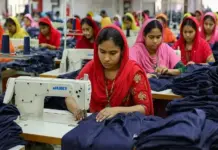

























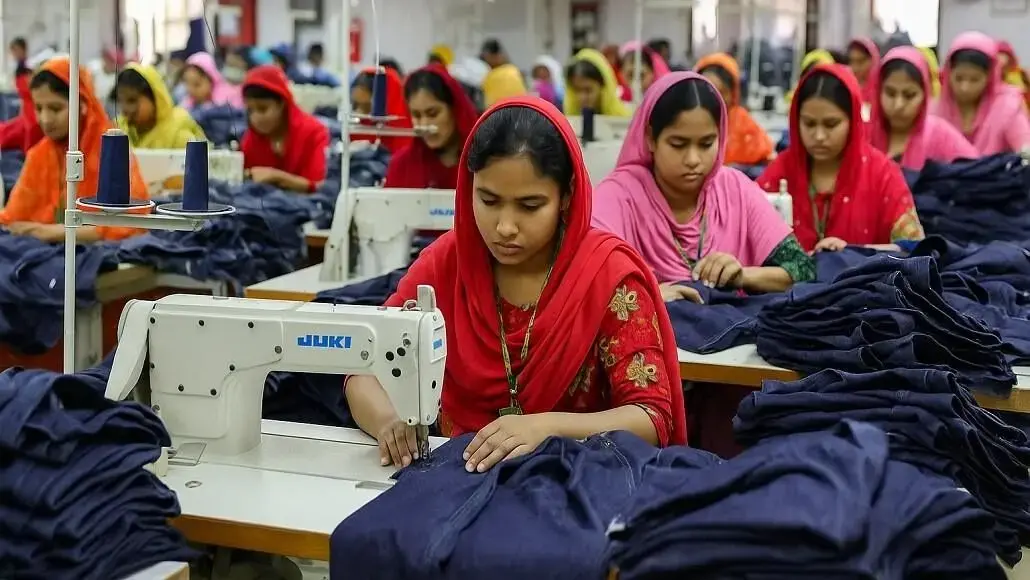
The IndustriALL Bangladesh Council (IBC) has formally demanded a minimum monthly wage of $260 for garment workers in the country, pointing to the sharp rise in living costs, higher transport fares driven by fuel price hikes, and growing medical expenses as the primary reasons behind the demand.
The demand was finalised at an emergency meeting of the IBC central executive committee, chaired by IBC President Mir Abul Kalam Azad. The meeting brought together senior labour leaders including General Secretary Salauddin Shapon and Vice Presidents Amirul Haque Amin, Chaina Rahman, Ruhul Amin, Babul Akhter, and Rashedul Alam Raju, among others.
Soaring Costs Push Garment Workers to the Edge
In a press release issued following the meeting, the IndustriALL Bangladesh Council stated that the soaring prices of essential goods, rising transport costs, and mounting medical expenses have made it increasingly difficult for garment workers to meet their basic household needs and support their families on current wages.
The council also pointed to a recent salary increase of between 100 per cent and 142 per cent granted to government employees, noting that the move has triggered further market instability and has intensified financial pressure on low-income workers, including those in the garment sector.
Wage Board Proposal in the Pipeline
The IBC confirmed that it would soon announce wage structures covering other employment grades within the sector. The council also stated its intention to submit a detailed written proposal to the wage board chairman and worker representatives once the full wage board is officially constituted, according to local media reports.
The Bangladesh garment wage debate has gained renewed urgency as workers continue to face the combined strain of inflation and reduced purchasing power. The IBC’s push for a $260 minimum wage reflects the broader concern among labour unions over the widening gap between current wages and the actual cost of living.
With the wage board yet to be fully formed, all eyes now remain on how authorities respond to the Bangladesh garment wage demands put forward by the IndustriALL Bangladesh Council, as the livelihoods of millions of garment workers hang in the balance.