




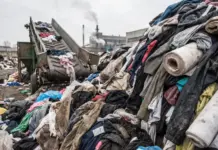

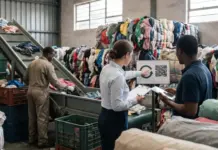



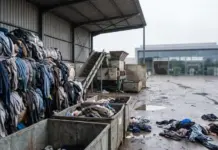









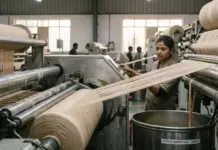










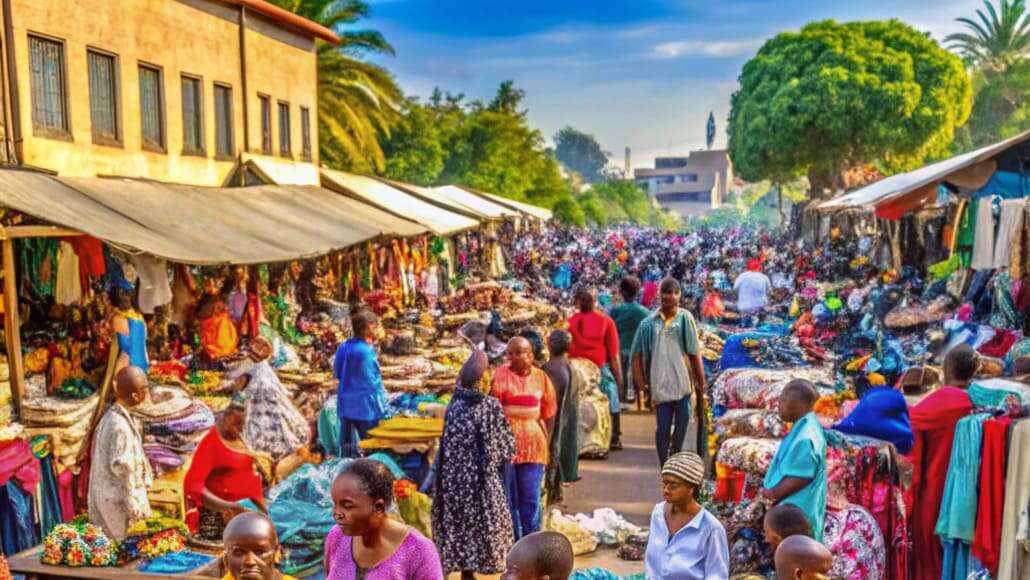
Kenya has established itself as the leading importer of second hand clothing in Africa, unfortunately earning a reputation as a convenient dumping ground for used apparel while grappling with the challenges of revitalizing its ailing textile industry.
Recent trade data from the Massachusetts Institute of Technology (MIT) indicates that Kenya imported second hand clothing and textiles valued at Sh38.5 billion ($298 million) in 2023. This figure positions Kenya as the top buyer of mitumba, the Kiswahili term for second hand clothing, placing it ahead of Nigeria, which ranks fourth. The 2023 imports reflect a 12.45 percent increase from Sh34.28 billion ($265 million) in 2022, as the influx of used garments continues to satisfy the rising demand for affordable clothing in the country.
In the same year, Ghana was the second-largest importer of second hand clothing, with imports totaling Sh30.4 billion. South Africa followed closely with Sh29.4 billion, while Uganda imported Sh27.2 billion, and Nigeria imported Sh27 billion.
The report highlights that Kenyan mitumba traders import a variety of second hand clothing items, including underwear, dresses, shirts, trousers, jackets, and shoes. The country also sees the importation of other used textiles like bedding, towels, curtains, fabric scraps, and industrial rags.
Tobias Alando, Chief Executive Officer of the Kenya Association of Manufacturers, remarked, “I think we have not been intentional about growing the textile sector.”
Data from MIT’s Observatory of Economic Complexity reveals that in 2022, Kenya’s imports of second-hand clothes and textiles were almost on par with Nigeria’s at Sh34.5 billion ($265 million), with South Africa coming in third at Sh33.76 billion ($261 million).
In 2021, South Africa held the title of the largest importer of used clothing and textiles, although it limits such imports to specific purposes like manufacturing industrial cleaning rags or donating to registered charities.
Despite an official ban on the importation of used clothes in Nigeria, analysts have noted that smuggling activities continue to bring these items into the country from surrounding areas.
Some anonymous officials from Kenya’s Ministry of Trade have suggested that a significant portion of Kenya’s mitumba imports might actually be intended for neighboring countries. “They are crossing the borders,” one official stated.
Kenya’s challenges are further complicated by its dependence on the African Growth and Opportunity Act (AGOA), a policy that allows eligible African nations to access the U.S. market duty-free. To retain AGOA benefits, particularly in the textile sector, Kenya must continue to permit the importation of mitumba, a substantial amount of which originates from the United States.

