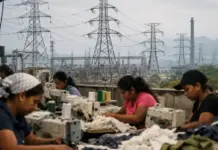




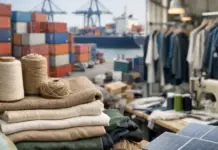

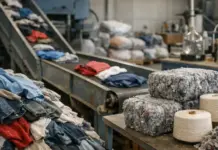




















The fashion industry, a powerful global influencer of style and culture, is concurrently one of the most substantial contributors to environmental degradation worldwide. This sector accounts for up to 10 percent of global carbon emissions, consumes vast quantities of water and raw materials, and generates significant pollution. The widespread adoption of fast fashion has only intensified these challenges, encouraging a cycle of rapid consumption and disposal. The resulting textile waste is alarming; an estimated 85 percent of all textiles are discarded annually, predominantly ending up in landfills or incinerators. This equates to the equivalent of one garbage truck full of clothing being dumped or burned every second, underscoring the pressing need for more sustainable fashion practices.
The Ascendance of Pre-Loved Clothing
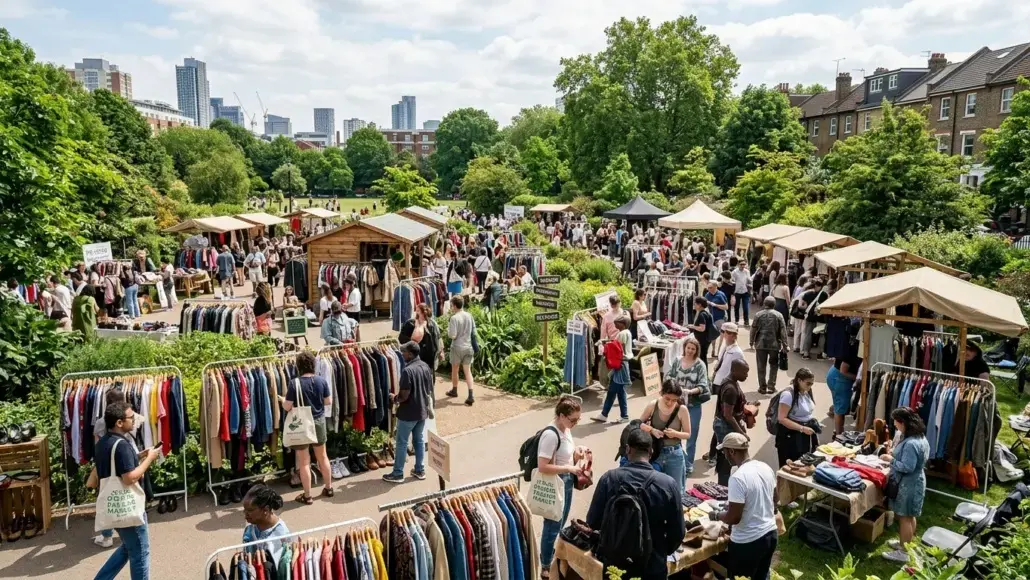
Against this pressing environmental backdrop, the burgeoning appeal of pre-loved clothing represents more than just a fleeting consumer whim. Many industry observers believe it signifies a profound shift in how consumers perceive value, ownership, and responsible consumption. What was once primarily viewed as a budget-friendly alternative has evolved into a conscious lifestyle choice. Consumers globally are increasingly embracing second-hand fashion not only to save money but also to actively reduce waste, discover unique styles, and make more responsible purchasing decisions. This sustainable fashion resale trend is rapidly becoming an undeniable force within an industry traditionally propelled by constant newness.
Consumer Embrace and Environmental Gains
Consumer behavior clearly demonstrates this evolving shift. Reports indicate that approximately 60 percent of global consumers anticipate shopping in the resale market by 2026. In the United States alone, nearly two-thirds of adults regularly acquire pre-owned goods, ranging from everyday thrift-store finds to carefully curated designer resale items. Beyond affordability and the allure of vintage aesthetics, rewearing and reselling garments offer substantial environmental advantages. Studies suggest that pre-loved clothing generates roughly 20 to 40 percent fewer lifecycle emissions compared to newly manufactured items. At a time of heightened scrutiny over overproduction and disposable consumption, the resale market is effectively extending the lifespan of garments, offering the fashion industry a crucial glimpse into a more circular fashion future.
Extending Garment Life: A Core Principle
The fundamental appeal of pre-loved clothing lies in its simple yet powerful premise: prolonging the utility and aesthetic life of garments. Every item purchased second-hand directly reduces the demand for new production, thereby lessening the need for water, energy, chemicals, and virgin raw materials. This practice also prevents wearable items from prematurely entering landfills, significantly alleviating the environmental burden imposed by a throwaway culture.
Navigating the Complexities of Growth
While the environmental and economic benefits are clear, it is crucial to acknowledge that viewing thrifting as an ultimate, perfect solution is an oversimplification, a perspective that holds merit. The mainstreaming of second-hand fashion introduces its own set of complexities. There is a potential risk of encouraging overconsumption even within the resale market itself, as lower prices might prompt individuals to acquire more than necessary, inadvertently undermining the very sustainability objectives it aims to foster. Furthermore, the globally interconnected nature of the fashion industry means that significant shifts in consumer purchasing habits, such as a strong move towards pre-loved clothing, can have notable economic ramifications for nations heavily reliant on garment manufacturing and exports.
A Path Towards a Circular Fashion Future
Despite these complexities, many experts contend that pre-loved clothing plays a far more impactful role than it is often recognized. As awareness of fashion’s substantial environmental cost continues to grow, an increasing number of individuals are critically re-evaluating not just what they purchase, but also the frequency and underlying motivations of their choices. In an era marked by pervasive overproduction and overconsumption, opting for an existing garment might appear to be a minor individual decision. However, many believe it collectively drives a substantial positive change. The future of truly sustainable fashion may not lie in the next collection unveiled, but rather in the deliberate act of giving existing apparel a valued second life, cementing the sustainable fashion resale trend as a critical pathway towards a more responsible industry.