



























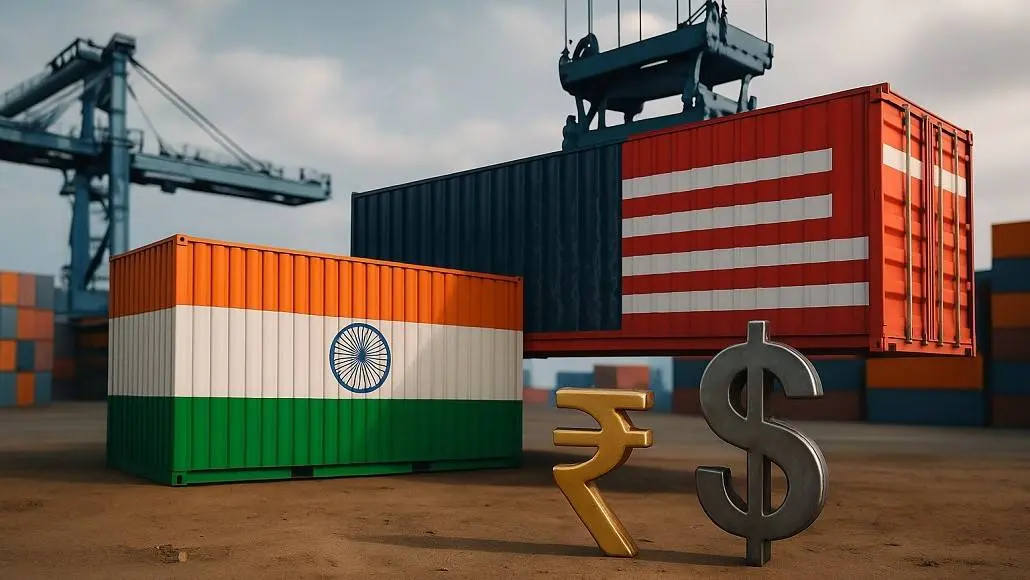
India has secured a lower tariff than initially proposed under the United States’ forced labour investigation, but the country’s textile and apparel industry is still preparing for new trade headwinds after Washington confirmed a 10% tariff on Indian goods under Section 301 of the US Trade Act. The revised duty replaces the earlier proposed 12.5% rate after India introduced measures prohibiting imports produced wholly or partly through forced labour.
The decision forms part of a broader US initiative covering around 60 trading partners that Washington says have not adequately enforced restrictions on goods linked to forced labour. Countries that have adopted or committed to enforcing import bans on forced-labour products, including India, Bangladesh, Cambodia and Sri Lanka, were assigned the lower 10% rate, while several other economies face duties of up to 12.5%.
India avoids higher duty but competitive concerns remain
Although India succeeded in reducing the proposed tariff from 12.5% to 10%, exporters believe the measure still introduces an additional cost burden at a time when global demand remains uneven.
The new duty applies alongside existing US import duties and reflects Washington’s effort to tighten supply-chain compliance through trade policy. Unlike temporary tariffs announced earlier this year, the Section 301 measure has no fixed expiry and could remain in place until policy objectives are met.
Industry observers note that while India has demonstrated progress by strengthening its forced labour import regulations, exporters must now contend with higher compliance costs and increased scrutiny from American buyers.
Textile industry flags risks to exports
India’s textile sector has reacted cautiously to the announcement.
The Confederation of Indian Textile Industry (CITI) warned that the US 10% tariff on Indian textiles could weaken the country’s competitiveness in one of its largest export markets. The organisation also highlighted reputational concerns because the tariff is linked to forced labour investigations rather than conventional trade measures.
According to CITI, sourcing dynamics could also shift if competing manufacturing countries benefit from alternative tariff arrangements or preferential sourcing mechanisms that are unavailable to Indian exporters.
How the decision could affect India’s textile and apparel industry
For India’s textile and apparel sector, the impact extends beyond the immediate 10% duty.
First, the US 10% tariff on Indian textiles could reduce price competitiveness for garments, home textiles and made-ups shipped to the United States, encouraging some international buyers to diversify sourcing across lower-cost manufacturing hubs.
Second, Indian exporters may face stronger demands for end-to-end supply-chain traceability, labour compliance documentation and sourcing transparency as US brands seek to minimise regulatory risks associated with forced labour enforcement.
Third, the new policy may accelerate India’s efforts to diversify export destinations while encouraging manufacturers to move further up the value chain through higher-value products, sustainable manufacturing and improved productivity to offset additional tariff costs. These changes could also strengthen India’s position in premium textile segments over the long term if compliance becomes a competitive advantage rather than simply a regulatory requirement.
Compliance becomes a strategic priority
The latest US action highlights a broader shift in global trade, where labour standards and supply-chain transparency are increasingly influencing market access.
For Indian textile manufacturers, maintaining robust compliance systems, strengthening supplier due diligence and investing in digital traceability are expected to become essential for retaining business with major international brands.
While the reduction from the originally proposed tariff offers some relief, exporters acknowledge that the US 10% tariff on Indian textiles adds another layer of complexity to an already challenging global trade environment marked by geopolitical uncertainty, evolving sourcing strategies and rising compliance expectations.