




























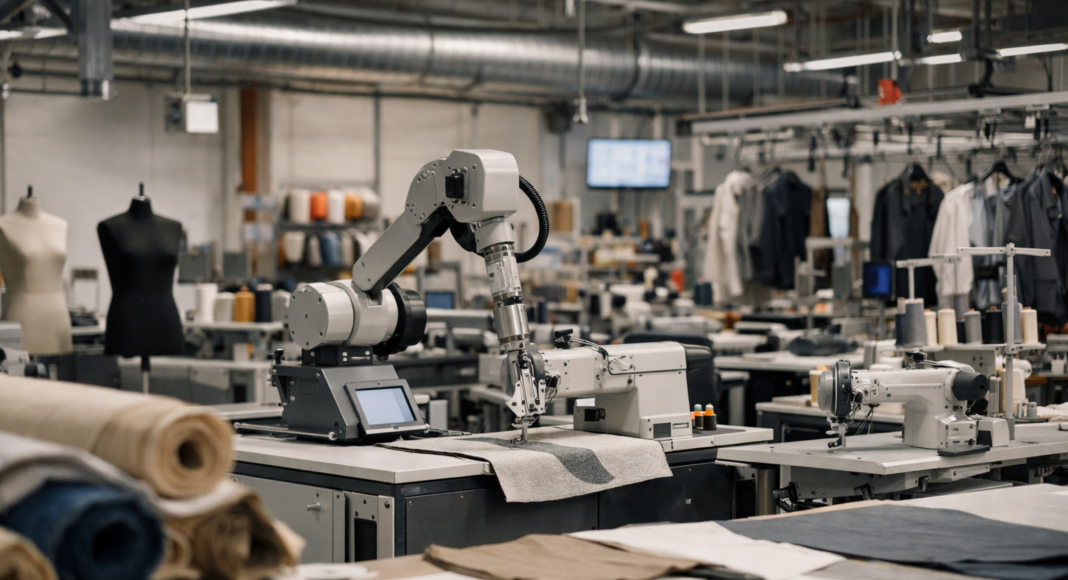
For several decades, the narrative of the Australian domestic garment industry has remained unchanged, defined by exceptional local design talent paired with production that moved to overseas markets. The Australian Fashion Council (AFC) is now seeking to change this trajectory. The organization has officially commissioned a landmark Clothing Smart Factory Study to evaluate the potential for rebuilding domestic production capabilities through a technologically advanced facility.
A New Era for Onshore Production
This nationally significant initiative is supported by Epson, serving as the strategic print and projection partner, along with Investment NSW through its Fostering Innovation Sponsorship Program. The proposed facility is envisioned as a manufacturing incubator designed for the modern era, allowing brands to conduct research and development while managing small-batch fashion manufacturing. By establishing a technology-enabled environment, the project aims to make onshore production a viable and cost-effective reality for local designers once again.
Technical Infrastructure and Sovereign Manufacturing
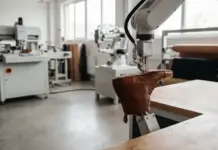
The feasibility research will investigate a comprehensive Cut, Make, and Trim (CMT) facility. This blueprint will incorporate digital pattern making, CNC cutting, automated production lines, and digital textile printing. A research consortium including RMIT, Swinburne, and UTS is leading the study, pooling expertise to address the future requirements of sovereign manufacturing.
Epson is contributing its Monna Lisa digital textile printing technology to the project, which utilizes precision water-based pigment inks. This hardware is essential for on-demand manufacturing, helping brands reduce waste and energy consumption while responding rapidly to market trends. Craig Heckenberg, Managing Director of Epson Australia and New Zealand, noted that this technology is transforming garment production.
Similarly, Sam Delgos, General Manager of the AFC, emphasized that the Clothing Smart Factory Study provides a blueprint for long-term investment in skills and advanced manufacturing. This vision is shared by the NSW Government, as Minister Anoulack Chanthivong highlighted the potential for creating skilled local jobs. The study is expected to conclude in late 2026, aiming to establish a scalable model for a national network of advanced manufacturing hubs.

