






























The Clean Clothes Campaign has stepped up pressure on Benetton Group, urging the retailer to ensure compensation is paid to former garment workers in Croatia who lost their jobs after years of producing clothing linked to the brand. Campaigners argue that when Benetton wound down sourcing from Croatia in 2024, long-serving employees at the Leonarda subcontractor facility were left without the full severance required under Croatian law.
The call follows a demonstration held in Milan on 20 May, where activists associated with the campaign travelled from 21 countries to stage a protest outside a flagship Benetton store. The group said the action was intended to spotlight unpaid severance payments that it claims remain outstanding for 28 former Leonarda workers after the factory’s closure.
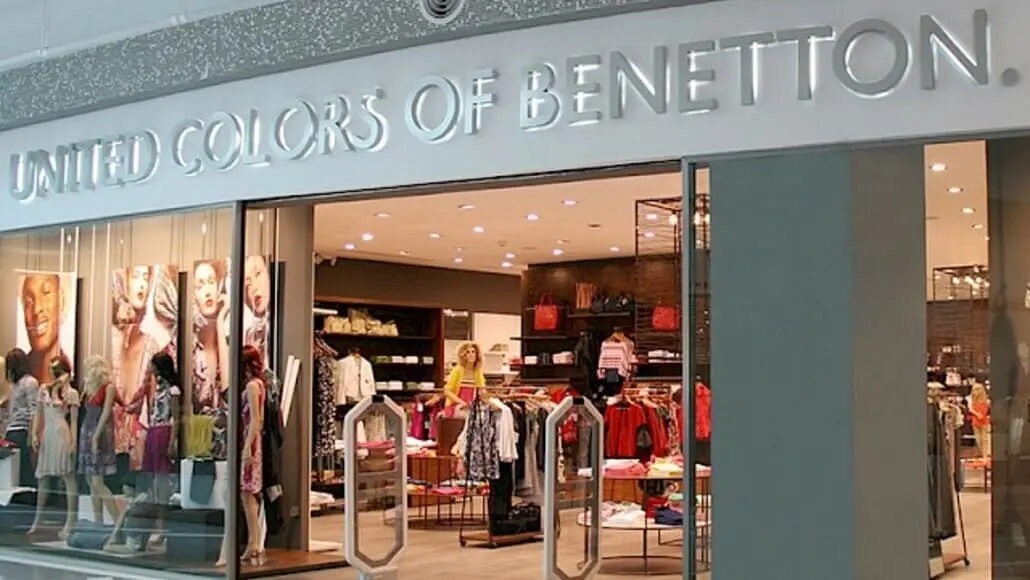
Protesters gathered in the Corso Vittorio Emanuele shopping area near Milan’s cathedral, an area known for heavy footfall. Two former Leonarda employees, Smiljka Vuk and Fina Vondraček, attended in person after travelling from Croatia, with organisers saying they wanted the workers’ accounts heard directly rather than filtered through intermediaries.
During the protest, campaigners handed store staff a symbolic “bill” that listed the amount they say is owed to each worker. The Clean Clothes Campaign alleges that more than half of the total severance has not been paid, amounting to roughly €50,000 ($58,200) across the group of workers. It also argues that Benetton did not take adequate steps to ensure its subcontractor was financially positioned to meet legal severance obligations at the point Benetton exited the sourcing relationship.
Mario Iveković, president of the Croatian union Novi Sindikat, which represents the Leonarda workers, said the issue has dragged on without resolution. “These workers cannot wait any longer – Benetton should ensure the workers who contributed to its profits receive their full severance as soon as possible. We have repeatedly contacted Benetton about this matter, but have not received any response.”
The campaign also pointed to Benetton Group’s reported 2024 revenue, which it cited at €917 million, arguing that the remaining unpaid severance payments represent a negligible sum for a company of that scale but a meaningful financial lifeline for the individuals involved.
Deborah Lucchetti of FAIR Italy questioned how the situation aligns with Benetton’s public positioning. “Benetton say their brand stands for colour, unity and social values, but we see that the reality has been job losses, unpaid severance and silence. With €917m of revenue in 2024, Benetton can easily make sure this small group of workers gets paid the amount they are owed in compensation. Why not pay this amount — so small for Benetton Group, yet so essential for the workers?”
The Clean Clothes Campaign said it plans to broaden international mobilisation through an online petition directed at Benetton’s leadership, calling for immediate settlement of the outstanding sums and stronger safeguards to prevent similar compensation disputes when brands exit supplier relationships in future.