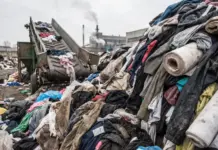

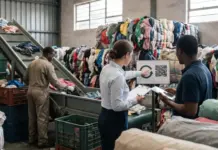
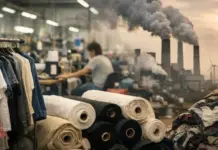







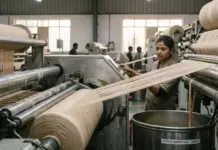











The Unified Conference has issued a favorable opinion on the proposed decree introducing the Extended Producer Responsibility (EPR) regime for textile products in Italy. This regulatory advancement is a central component of the National Strategy for the circular economy Italy, mandating that manufacturers and large-scale distributors who first introduce textile goods to the Italian market take full responsibility for waste management.
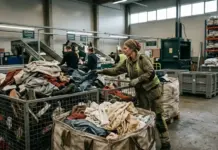
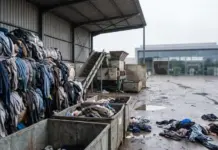
Under the provisions of the Textile EPR Regulation, businesses are required to organize or fund systems dedicated to the collection of post-consumer textiles. These efforts are designed to help the nation meet specific separate waste collection targets while fostering the growth of sustainable textiles throughout the industrial sector.
Implementation of Producer Responsibility Standards
Gilberto Pichetto, the Minister of the Environment and Energy Security (MASE), noted that the favorable opinion represents a fundamental step toward a more sustainable consumption model, aligning with European objectives. The measures are designed to broaden the definition of a “producer” to encompass importers and distributors. According to MASE, this shift acknowledges global supply chain evolutions and aims to incentivize the production of higher quality goods to reduce rapid product turnover.
The framework emphasizes eco-design requirements and the integration of recycled materials. The Textile EPR Regulation also establishes protocols for traceability and transparency within collective systems. These rules ensure fair competition for all market participants, including online retailers, by promoting a supply chain rooted in efficiency and producer responsibility.
Industry Perspectives on Textile Waste Management
The Reverse Logistics Group (RLG), an organization focused on environmental compliance, highlighted the progress as a milestone for the circular economy Italy. The group indicated that clearer guidelines for producers would support the creation of repairable and durable products. Sara Faccioli, the managing director of RLG Italy, described the reform as a long-awaited move that provides necessary certainty for businesses while establishing a framework for producer responsibility.
By implementing these eco-design requirements, the Italian textile sector intends to merge environmental protection with business competitiveness. The Ministry of the Environment and Energy Security (MASE) suggests that the new rules will position sustainability as a core element of the industry. This development follows a similar move by the Irish government, which recently published a draft delivery plan for its own national textile waste management scheme. Through these coordinated efforts, the industry continues to move toward the broader adoption of sustainable textiles and improved textile waste management protocols.