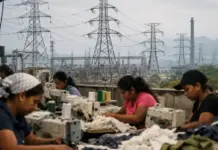






























The Manufacturers Association of Nigeria (MAN) has strongly urged for comprehensive stakeholder engagement concerning the Senate’s recent request for a Textile Import Ban Nigeria. According to Mr. Segun Ajayi-Kadir, Director-General of MAN, implementing such a significant policy without proper consultation is likely to result in failure, echoing past experiences with ineffective policies.
Speaking recently, Mr. Ajayi-Kadir underscored the critical importance of bringing all relevant parties to the table. “The failure of policy in Nigeria has principally been due to a lack of stakeholder engagement. You cannot shave a man’s head in his absence,” he stated, emphasizing that resolutions, policies, and laws often fail to reflect realities on the ground when formulated without broad input. He called for a dialogue with existing textile industries to ascertain their capacity to scale and to understand the specific challenges that cause them to operate significantly below installed capacity.
Revitalizing Nigeria’s Textile Industry: Beyond Resolutions
The Senate had recently called upon the federal government to impose an import ban on textile materials. This move aims to stimulate local production and revive the nation’s struggling textile industry Nigeria, particularly in key manufacturing corridors like Kaduna-Kano, with the expectation of creating jobs and addressing rising youth unemployment and insecurity.
While acknowledging the potential for Nigeria to meet its own textile demands, Mr. Ajayi-Kadir maintained that the revival of the textile industry Nigeria requires more than just passing resolutions. He stressed the necessity for active, sustained support through measures that have been consistently advocated but not yet fully implemented.
Essential Pillars for Effective Import Restrictions
For an import ban to be genuinely effective, the MAN Director-General outlined several crucial steps. He questioned the current level of government patronage for made-in-Nigeria textiles, extending the query to uniformed agencies and educational institutions. He proposed strict enforcement of Executive Order 003, promoting a “Nigeria First” mindset across all government tiers, and instituting a “Nigeria Day” where citizens are encouraged to wear locally produced items.
Furthermore, Mr. Ajayi-Kadir highlighted the need to scrutinize budgets to reject imported textile, garment, or uniform items unless they directly support local production. He also called for robust implementation of the 30 percent Common External Tariff (CET) on imports from third countries and stringent border security measures to prevent the Textile Import Ban Nigeria from being undermined by smuggling. A thorough and meaningful conversation, he asserted, is indispensable for any serious commitment to enforcing an import ban.