


























The United States fashion industry is currently facing a transformative period as new regulatory frameworks begin to take shape. Emerging fashion startups and established labels are now tasked with navigating a complex landscape defined by the upcoming implementation of CPSC eFiling and California SB 707. These Apparel Compliance Rules are designed to modernize safety oversight and environmental responsibility within the sector, directly impacting how apparel imports are processed and managed.
The Integration of CPSC eFiling in Supply Chains
The Consumer Product Safety Commission is transitioning toward a mandatory electronic filing system, commonly known as CPSC eFiling. This initiative requires importers of regulated consumer products to submit essential compliance data electronically at the time of entry. For many fashion startups, this change necessitates a more robust digital infrastructure to ensure that all apparel imports meet federal safety standards before they reach the consumer. The primary goal of this shift is to enhance the ability of authorities to identify and intercept non-compliant goods, making regulatory compliance a central pillar of modern supply chain management.
California SB 707 and the Future of Textile Responsibility
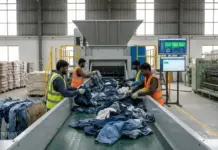
In addition to federal updates, state-level legislation is introducing new hurdles for the industry. California SB 707, also referred to as the Responsible Textile Recovery Act, establishes an extended producer responsibility program. This law mandates that producers create and participate in a program dedicated to the collection, repair, and recycling of textile products. As fashion startups expand their footprint, adhering to California SB 707 will become a vital component of their operational strategy.
Implementation Timelines for Apparel Imports
The timeline for these Apparel Compliance Rules is fast approaching, with major provisions expected to take full effect by July 2026. This period provides a critical window for businesses to audit their current processes and ensure they are prepared for the heightened requirements of regulatory compliance. Failure to adapt to these changes could result in significant disruptions to apparel imports and potential legal challenges under the new state and federal mandates.