


















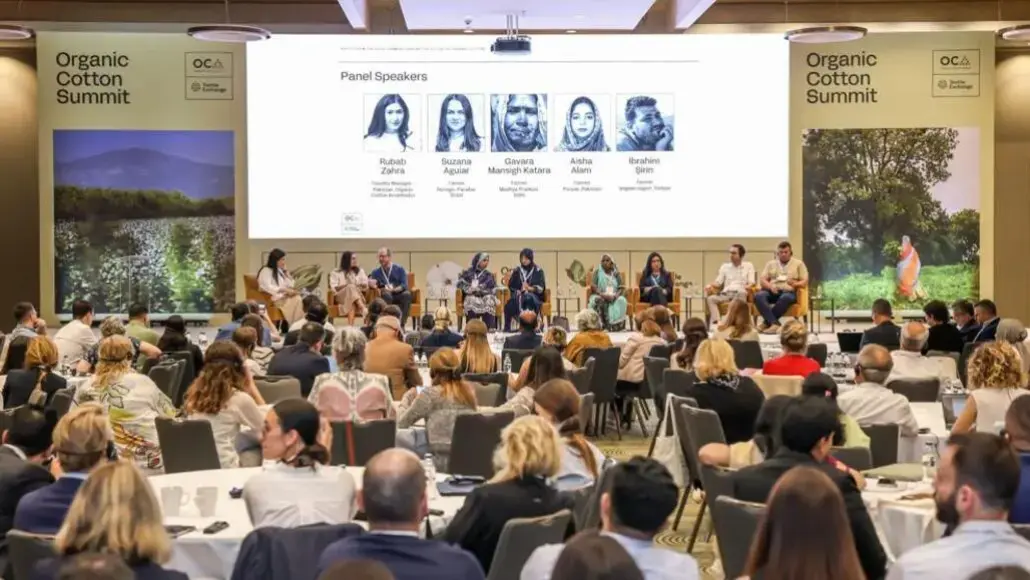
Producing communities took centre stage at the Organic Cotton Summit 2026, with delegates in Istanbul repeatedly stressing that farmers and producer groups must have real influence over the decisions shaping organic cotton’s next phase of growth. As the sector pushes to scale, speakers and participants argued that progress will stall if risk and responsibility continue to sit disproportionately with growers.
Held from 2 to 4 June, the event was co-hosted by the Organic Cotton Accelerator (OCA) and Textile Exchange. Nearly 270 participants travelled from 24 countries, representing a cross-section of the organic cotton ecosystem—farmers and producer organisations alongside suppliers, brands, retailers, civil society groups, public sector actors, innovators and finance stakeholders.
Organisers positioned the Organic Cotton Summit 2026 as a working forum rather than a showcase, designed to move beyond broad ambition and toward practical approaches that can be implemented across regions. Sessions focused on translating shared goals into action, accounting for differences in local contexts, and building partnerships capable of delivering measurable impact in farming communities.
Discussions reflected the growing complexity of the market environment. Delegates examined how organic cotton can expand while responding to shifting consumer demand, evolving procurement practices, policy changes and tightening regulatory expectations. A consistent theme was that organic cotton is increasingly viewed not only as a sustainability choice, but also as a risk-management tool for an industry facing long-term volatility.
Participants framed the opportunity in systems terms: climate adaptation, soil regeneration, biodiversity protection, and improved livelihoods are interconnected—progress in one area is difficult without movement in the others. Delegates argued that supply security also depends on these outcomes, because farming systems under stress are less able to deliver stable volumes and quality over time.
To accelerate progress, the summit explored several enabling levers: more direct investment into producer communities; better use of data to track climate and environmental outcomes; stronger traceability and transparency systems; and operational readiness for due diligence and compliance requirements. Beyond meeting rules, attendees discussed how compliance efforts can be used to strengthen accountability, improve governance and build sourcing models that are more farmer-centred and resilient.
A clear point of agreement emerged from the Istanbul programme: scaling organic cotton will require patient capital, long-term commitments from brands and retailers, and collaboration that results in tangible benefits at farm level—rather than shifting costs upstream without sharing value.
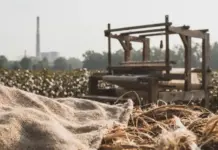
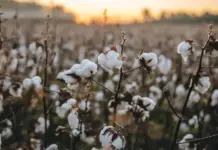
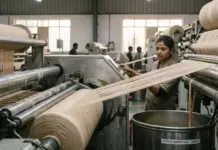
The summit also included an on-the-ground component. Participants joined a field visit to Aydın, a cotton-growing region in Türkiye, hosted by OCA’s local partner Akasya. The trip offered a chance to meet farmers during the growing season, see production conditions directly and tour a local ginning facility—bringing the summit’s debates into closer contact with day-to-day realities.
Alongside the main sessions, the programme featured contributions from global experts in organic and sustainability practices. An Organic Cotton Pavilion hosted by OCA showcased organisations working across production, certification, traceability and technology, reflecting the sector’s growing emphasis on credible data and verifiable supply chains.
OCA executive director Bart Vollaard closed with a message centred on shared responsibility and balanced risk. “The organic cotton sector should work like a healthy farm ecosystem. Every part has a role to play, and every part depends on the others. When you look around this room, that ecosystem is here: farmers, brands, manufacturers, certifiers, public sector, civil society organisations, and partners from across the value chain.
“When trust, knowledge, demand, and long-term commitment reinforce one another, the whole system becomes stronger. But no ecosystem can thrive if too much risk sits with one group. If farmers carry a disproportionate share of the risk, the foundation becomes unstable. Our collective challenge is to build a system where responsibility, value, and risk are shared more fairly. Because organic cotton will only reach its potential if we strengthen the entire ecosystem, together.”