

























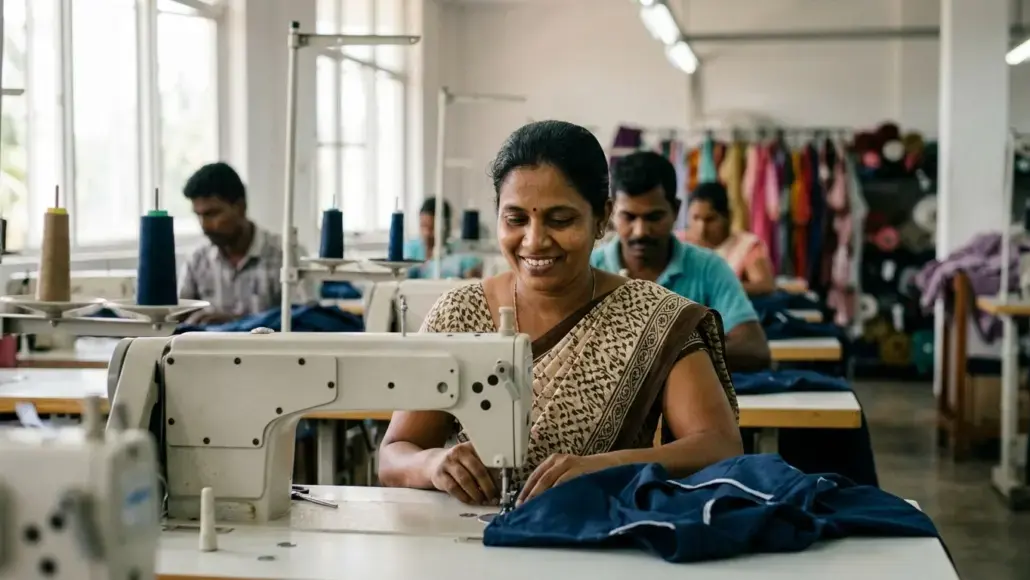
Sri Lanka’s apparel sector, long regarded as one of the island nation’s most resilient and globally competitive export industries, is now navigating a notably more difficult landscape. A combination of crisis fatigue, evolving buyer preferences, and intensifying competition from rival manufacturing nations is creating sustained pressure on an industry that has historically been a cornerstone of the country’s foreign exchange earnings.
The Weight of Prolonged Crisis
Industry stakeholders have pointed to what is being described as “crisis fatigue” — a cumulative exhaustion stemming from years of disruption. Sri Lanka’s apparel sector had already been contending with the aftershocks of the country’s severe economic crisis, which eroded operational stability, disrupted supply chains, and dampened investor confidence. While the broader economy has shown signs of stabilisation, the apparel industry continues to feel the residual weight of that period, with manufacturers and exporters yet to fully regain pre-crisis momentum.
The prolonged nature of these challenges has made recovery more complex than a straightforward economic rebound. Factories have had to manage increased costs, energy-related disruptions, and workforce pressures simultaneously, even as they attempt to meet the expectations of international buyers who have little tolerance for inconsistency in delivery or quality.
Shifting Demand Among Global Buyers
A significant factor shaping the current environment is the changing nature of demand from global retail and fashion buyers. Purchasing patterns have evolved considerably, with buyers recalibrating their sourcing strategies in response to their own market pressures, including slower consumer spending in key Western markets and inventory correction cycles that followed the post-pandemic restocking surge.
Sri Lanka apparel exporters have found that orders are becoming more fragmented, lead times are being compressed, and volume commitments from buyers are less predictable than they were in previous years. This shift places added strain on manufacturers who have invested in capacity and compliance infrastructure based on expectations of more stable, large-volume order flows.
The demand environment in the United States and Europe — the two most critical markets for Sri Lanka’s apparel exports — has remained subdued relative to historical growth trajectories, further complicating revenue projections for local manufacturers.
Rising Competition from Regional Rivals
Perhaps the most structurally significant pressure facing the Sri Lanka apparel industry comes from the growing competitiveness of rival sourcing destinations. Countries in South and Southeast Asia, as well as parts of Africa, have been actively positioning themselves as attractive alternatives for global buyers seeking cost efficiency, scale, and favourable trade access.
Nations offering lower labour costs or preferential trade arrangements with major importing markets have become increasingly attractive to buyers who are reassessing their sourcing footprints. Sri Lanka, which has traditionally differentiated itself on quality, compliance, and ethical manufacturing standards, is finding that these value propositions, while still relevant, are not always sufficient to offset the price advantages offered elsewhere.
The competitive pressure from these rising rivals is not a new phenomenon, but industry voices suggest its intensity has grown, particularly as global buyers diversify their supplier base to reduce concentration risk — a strategy accelerated by supply chain disruptions experienced during and after the pandemic period.
Industry Response and Strategic Considerations
Within this context, Sri Lanka’s apparel sector is being urged to sharpen its positioning and double down on the strengths that have historically set it apart. The industry’s reputation for ethical production, adherence to international labour standards, and capacity to handle complex, high-value garments remains a genuine differentiator in a global market increasingly attentive to sustainability and supply chain transparency.
However, translating these attributes into tangible commercial advantage requires consistent effort in marketing, buyer engagement, and product development. Stakeholders within the Sri Lanka apparel ecosystem have acknowledged the need for more coordinated strategies to retain existing buyer relationships and attract new ones, particularly in segments where value-added manufacturing commands better margins.
There is also recognition that improving operational efficiency and addressing cost pressures domestically will be critical to sustaining competitiveness over the medium term. Energy costs, in particular, have been flagged as an area requiring attention, given their direct impact on the cost of production for apparel manufacturers across the country.
Apparel Exports and the Broader Economic Picture
Apparel exports remain one of Sri Lanka’s most important sources of foreign currency, making the health of this sector a matter of national economic significance. Any sustained decline in export performance from the apparel industry would have meaningful implications for the country’s balance of payments and its ongoing efforts to stabilise and grow its external accounts following the economic crisis.
The pressures currently bearing down on the sector — crisis fatigue, shifting demand, and rising rivals — are therefore being watched closely not just by industry participants but by policymakers and economic observers who understand how central the Sri Lanka apparel industry is to the country’s broader recovery narrative.
While the challenges are real and multifaceted, the industry’s track record of navigating difficult periods and adapting to changing global conditions provides a basis for measured confidence. The path forward, however, will require deliberate action, strategic clarity, and close collaboration between the private sector and government to ensure that Sri Lanka apparel retains its place as a preferred sourcing destination for global buyers.