





























Advances in New Sustainable Fabrics by CMU Students

Note* - All images used are for editorial and illustrative purposes only and may not originate from the original news provider or associated company.

Subscribe

- Never miss a story with notifications

- Browse free from up to 5 devices at once

- Gain full access to our premium content

Media Packs

Expand Your Reach With Our Customized Solutions Empowering Your Campaigns To Maximize Your Reach & Drive Real Results!
– Access The Media Pack Now!
– Book a Conference Call
Leave Message for us to Get Back

Related stories

Textile Recyclers Warn Policy Wave Could Stall Circularity

The textile reuse and recycling industry is bracing for...

FIFA 2026 Could Trigger Textile Recycling Market Scale-Up

The 2026 FIFA World Cup is shaping up to...

Nigeria Textile Industry Revival: Shifting from Talk to Tangible Progress

A recent motion in Nigeria’s Senate, advocating for a...
AI Summary

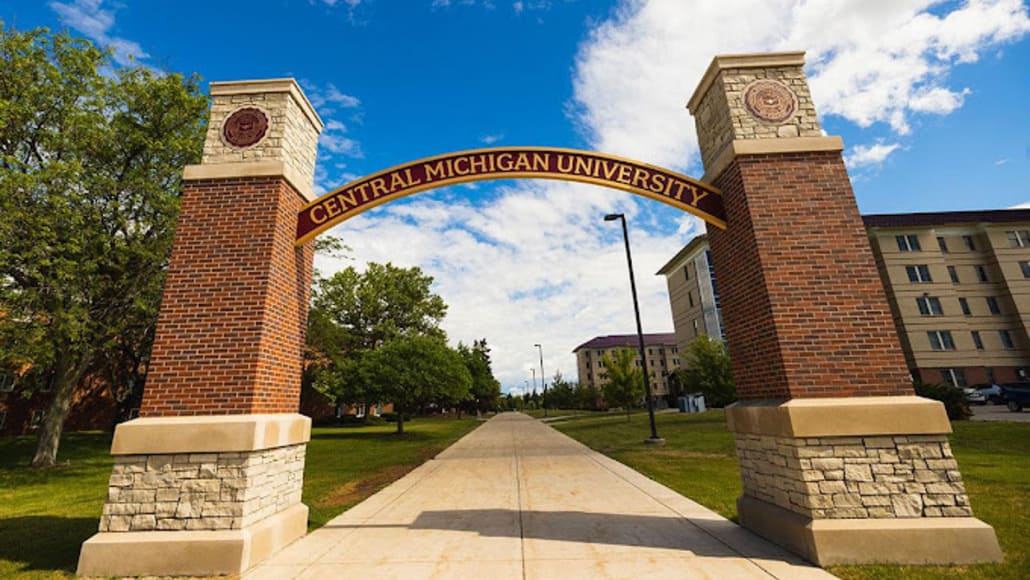
A tropical plant may hold the key to a more sustainable textile industry— Central Michigan University students are putting it to the test. Fashion merchandising and design majors, Zoe Renner and Cullen Douglas are working on an exciting fabric project using Abacá. This project focuses on developing Bananatex, the first durable, biodegradable and plastic-free fabric. Abacá, a relative to the banana tree, is the plant source for this new fabric. Naturally hardy, Abacá thrives without pesticides, fertilizers, or large amounts of water. These traits help promote biodiversity and economic sustainability and Renner and Douglas hope that the new fabric will be a more eco-friendly alternative to cotton.

Renner and Cullen are testing Bananatex using a thermal mannequin which is designed to simulate human body temperatures. The mannequin allows them to monitor temperature and sweat levels induced by the fabric. They also perform dry testing to evaluate the fabric’s properties without incorporating moisture. The combination of these tests allows researchers to measure how the fabric would perform in real-world conditions.

Runner and Cullen appreciate the assistance of Lauren Agnew, laboratory coordinator for the Center for Merchandising and Design Technology, and faculty member Tanya Domina. The students recently participated in the CMU 2025 Student Creative & Research Endeavors Exhibition (SCREE) and will also share their work at the American Association of Textile Colorists and Chemists (AATCC) conference. The students have received funding support from AATCC and a grant from the CMU Office of Research and Graduate Studies. Ultimately, the students hope to expand their research by testing a larger variety of clothing.

Reach the global textile audience

Put your brand at the heart of the textile conversation. With Global Textile Times, you can reach decision-makers and professionals across the entire global textile value chain.

Our Media Guide shows how you can:

  • Advertise across digital, print, and newsletters
  • Connect with a highly engaged global textile audience
  • Align your company with trusted industry coverage

Latest stories

Related stories

Textile Recyclers Warn Policy Wave Could Stall Circularity

The textile reuse and recycling industry is bracing for...

FIFA 2026 Could Trigger Textile Recycling Market Scale-Up

The 2026 FIFA World Cup is shaping up to...

Nigeria Textile Industry Revival: Shifting from Talk to Tangible Progress

A recent motion in Nigeria’s Senate, advocating for a...

Subscribe

- Never miss a story with notifications

- Gain full access to our premium content

- Browse free from up to 5 devices at once

Media Packs

Expand Your Reach With Our Customized Solutions Empowering Your Campaigns To Maximize Your Reach & Drive Real Results!

– Access The Media Pack Now!
– Book a Conference Call
Leave Message for us to Get Back