



















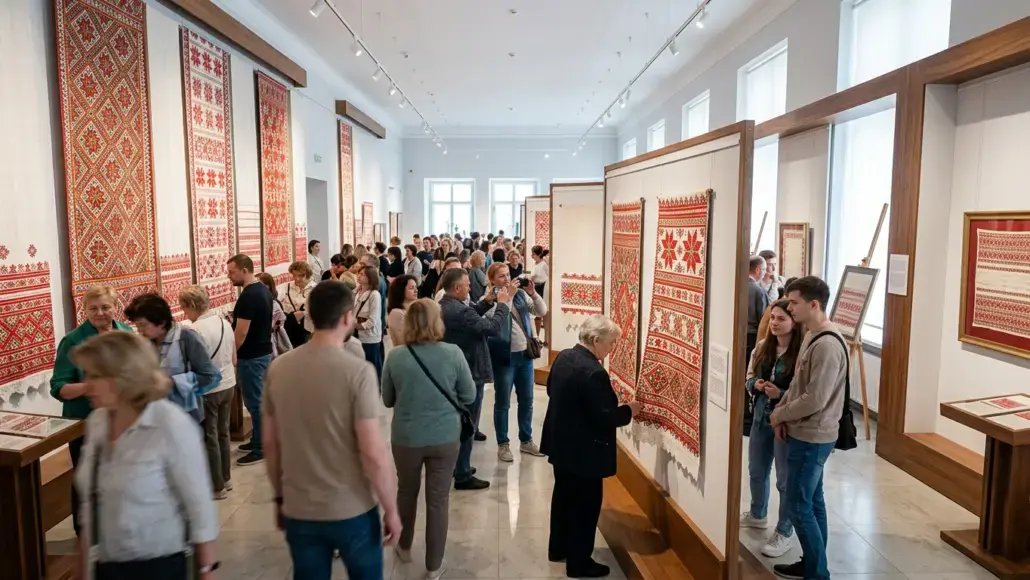
MINSK, 12 May – The exhibition “Harmony of the World of the Neglyubka Weavers,” showcasing the textile traditions of the village of Neglyubka in Vetka District, Gomel Oblast, is running at the National Art Museum in Minsk, BelTA learned from the museum. The display brings attention to Neglyubka weaving and its local contexts, presenting pieces that reflect long-standing practices in the region.
History and technique
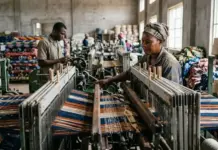
Neglyubka weaving is described as a unique phenomenon in Belarusian folk culture, preserving archaic characteristics and complex symbolism. The tradition, which took shape in the 17th century, involves the creation of rushnyks (ceremonial towels), garments and home furnishings using distinctive weaving and embroidery techniques. The craft remains actively practiced and continues to evolve.
Artistic significance
“The artistic side of the craft is particularly noteworthy. In Neglyubka, textiles became carriers of an ornamental system. Some of the most archaic and ancient patterns, dating back three to five thousand years, have survived to the present day on ritual towels and household items as a kind of encoded narrative about the structure of the world and the fundamental values of humanity,” the museum noted.
Exhibit contents and contributors
The exhibition features a diverse array of artistic textile pieces by outstanding craftswomen, the traditional costume of the village of Neglyubka and a variety of authentic, rare accessories. Around 50 textile pieces from the collection of the National Art Museum of Belarus are on display. The show is complemented by flax-processing tools and textile items provided by the Belarusian State Museum of Folk Architecture and Rural Lifestyle, along with rare costume elements, accessories and photographs from the holdings of the Shklyarov Vetka Museum of Old Believers and Belarusian Traditions.
UNESCO inscription
On 9 December 2026, at the 20th session in New Delhi, the UNESCO Intergovernmental Committee decided to officially inscribe the Neglyubka textile tradition of Vetka District, Gomel Oblast, onto the UNESCO Representative List of the Intangible Cultural Heritage of Humanity. The inscription places the tradition on the international list of intangible cultural heritage.
The National Art Museum presentation underscores the continuity of the Vetka tradition and the role of Neglyubka weaving among Belarus textiles. The exhibition will be running until 27 July.