
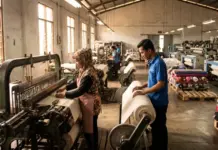
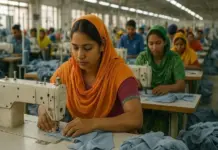





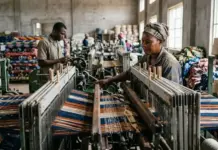


















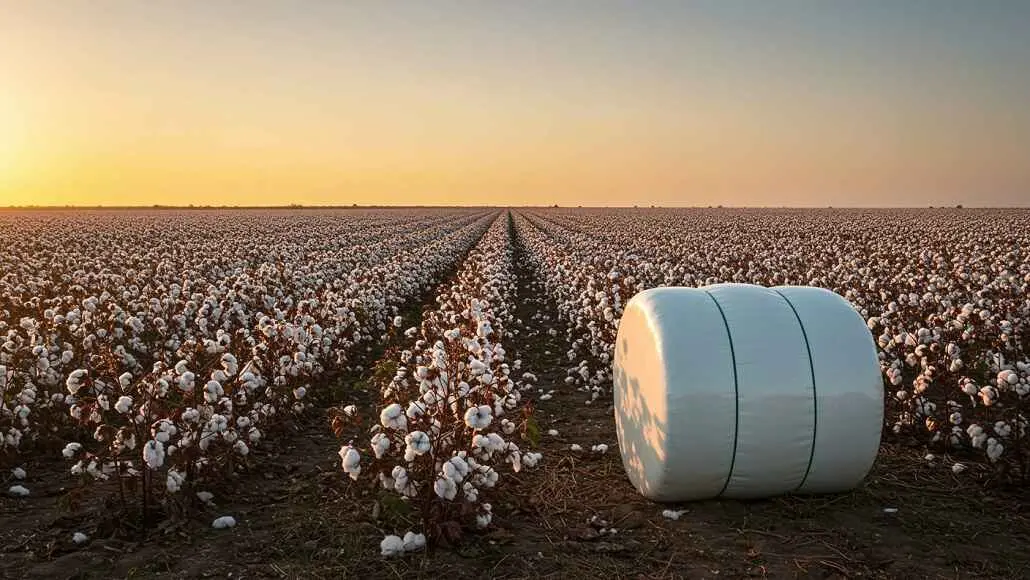
The official cotton production targets for the upcoming season are facing significant skepticism from agricultural experts and stakeholders. While the Cotton Crop Assessment Committee has previously deliberated on an ambitious goal of 10.8 million bales, various environmental and structural factors suggest that achieving this figure may be difficult. The cotton crop serves as a backbone for the national economy, but current field reports indicate a decline in the total area under cultivation compared to previous years.
Factors Affecting Pakistan Agriculture and Sowing Trends
The decline in sowing area across major provinces like Punjab and Sindh is a primary concern for Pakistan agriculture. High input costs and fluctuating market prices have discouraged some farmers from dedicating more land to this specific commodity. Consequently, the textile industry is closely monitoring these developments, as any shortfall in domestic production necessitates expensive imports to meet industrial demand. The Cotton Crop Assessment Committee remains the central body for evaluating these shifts in acreage and their subsequent impact on the national harvest.
Impact of Climate and Pest Management on Yields
Environmental challenges, including intense heatwaves and erratic rainfall patterns, have directly impacted crop yields during the critical growth phases. Furthermore, the prevalence of pests such as whitefly and pink bollworm continues to threaten the health of the plants. Experts emphasize that robust pest management strategies are required to mitigate these risks and protect the remaining plantations. Without improved interventions and favorable weather, the gap between the actual output and the established cotton production targets may widen significantly.
The Cotton Crop Assessment Committee is expected to review these figures as the season progresses to provide a more realistic outlook. The textile industry remains hopeful for a recovery in the later stages of the harvest, but the current trajectory for crop yields remains under pressure. Sustaining Pakistan agriculture through these climatic shifts is now a priority for policymakers seeking to stabilize the cotton crop output and ensure economic stability.