
























The global sportswear and outdoor garment industry is currently undergoing a significant transition as brands seek to address the environmental impact of traditional textiles. According to a detailed 27-page industry report by Textiles Intelligence, there is an urgent demand for alternative materials that can deliver high-level functionality while reducing the ecological footprint of the sector. This shift is primarily motivated by the need to mitigate synthetic fiber pollution, which has become a focal point for both regulatory bodies and environmentally conscious consumers.
Addressing Synthetic Fiber Pollution Through Innovation
For decades, synthetic textiles have been the primary choice for performance clothing due to their cost-effectiveness and inherent technical properties. These materials are particularly valued for their durability and effective moisture management. However, the long-term consequences of microplastics and carbon emissions associated with these fibers are under increasing scrutiny. As a result, product developers are now prioritizing sustainable performance apparel that balances technical requirements with environmental responsibility.
The definition of performance is evolving to include factors such as comfort, odor control, and biodegradability. Market stakeholders are now exploring a variety of options, including natural fibers and cellulosic fibers, to replace or supplement traditional synthetics. This movement is supported by advancements in textile engineering that allow natural materials to perform in ways that were previously impossible.
Advancements in Natural and Cellulosic Fibers
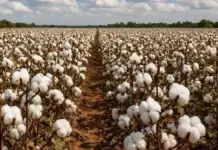
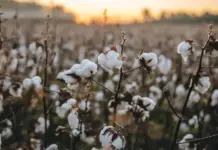
Technological breakthroughs are enabling natural fibers to overcome historical limitations. For instance, advanced yarn engineering and fabric construction are improving the ability of cotton to wick away perspiration, effectively enhancing its moisture management capabilities. Leading athletic brands and technical specialists have introduced initiatives to ensure these natural options can compete with the quick-drying properties of synthetics.
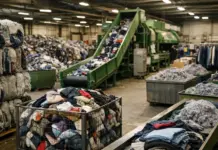
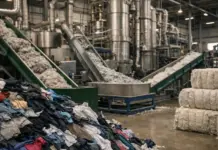
Furthermore, cellulosic fibers such as lyocell, modal, and viscose are seeing increased integration into next-to-skin garments. These materials are prized for their breathability and soft texture. Technical performance ranges are also being developed from textile waste and agricultural by-products, with several specialized firms working on processes to convert discarded materials into high-quality circular fibers.
Overcoming Technical Barriers in Sustainable Textiles
While the adoption of alternative materials is growing, certain challenges remain regarding their use in high-intensity applications. Compared to traditional synthetics, some bio-based options may exhibit lower elasticity or slower drying times. To address these hurdles, many manufacturers are adopting a blending strategy. By combining natural or regenerated fibers with synthetic components, brands can achieve the functional requirements of performance clothing while still advancing their sustainability goals.
The move toward sustainable performance apparel represents a comprehensive effort to reduce synthetic fiber pollution across the supply chain. As research continues into next-generation materials, the industry remains focused on maintaining the high standards of durability and technical excellence that athletes and outdoor enthusiasts expect.