
































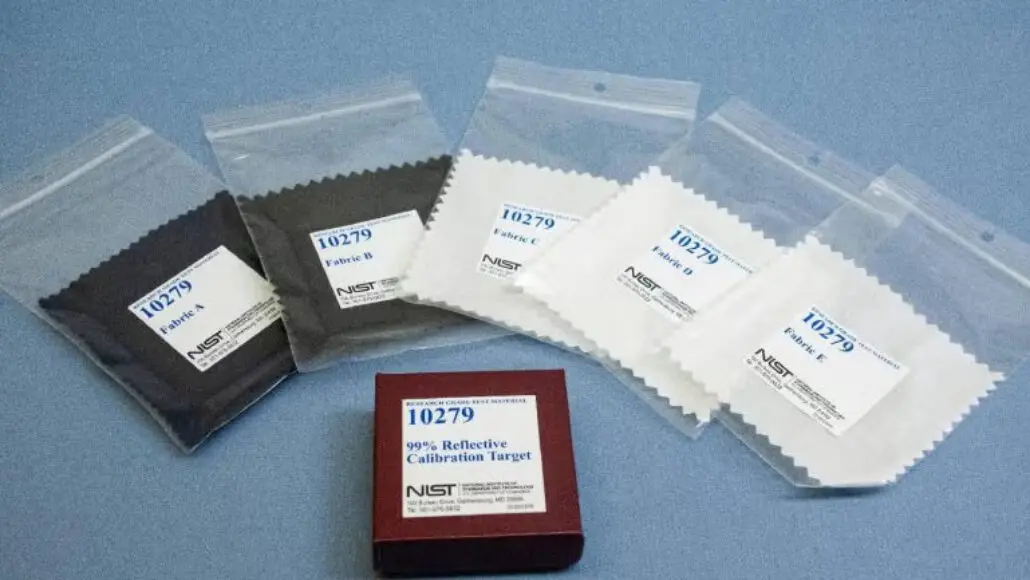
The National Institute of Standards and Technology (NIST) has announced the release of a new tool designed to improve the accuracy of textile fiber identification across the global supply chain. This NIST reference material, identified as RM 8710, serves as a standardized benchmark for laboratories to calibrate their analytical instruments and validate their testing methodologies. As the industry faces increasing pressure for precise material disclosure, the NIST textile standard provides a necessary foundation for consistency in reporting.
Technical Specifications of the Cotton Polyester Blend Standard
The newly developed material is a meticulously prepared cotton polyester blend, consisting of approximately 50% cotton and 50% polyester fibers. By providing a known ratio of these common materials, NIST enables technicians to refine their fiber analysis tools and ensure that their measurements align with recognized benchmarks. The creation of this NIST reference material addresses a long-standing need for high-quality, uniform samples that can be used to test the efficacy of both chemical and mechanical separation methods.
Reliable data is the cornerstone of modern textile testing standards. Laboratories often struggle with variations in fiber morphology and chemical composition, which can lead to discrepancies in labeling. The NIST textile standard acts as a universal point of reference, allowing diverse facilities to achieve harmonized results when analyzing a cotton polyester blend. This level of precision is not only vital for commercial quality control but also plays a significant role in forensic science, where textile fiber identification can be a critical component of evidence analysis.
Enhancing Global Textile Testing Standards
The implementation of these fiber analysis tools is expected to streamline operations for manufacturers and regulatory bodies alike. By adhering to rigorous textile testing standards, companies can better defend their product claims and maintain consumer trust. NIST researchers developed RM 8710 to be robust enough for repeated use in various laboratory environments, ensuring that the NIST textile standard remains a durable asset for the industry.

