
































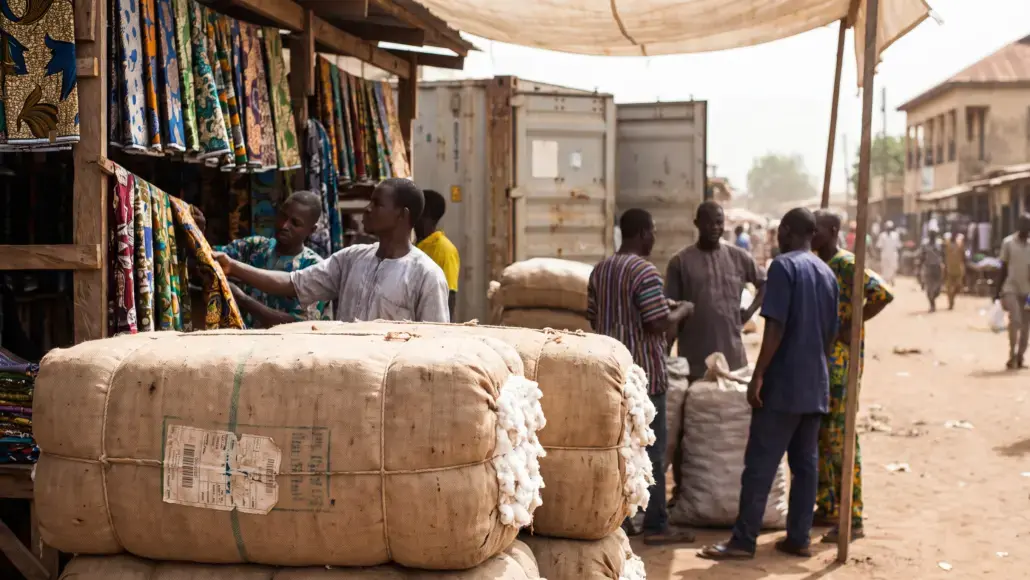
As discussions surrounding the reauthorization of the African Growth and Opportunity Act intensify, trade officials and industry leaders are evaluating proposals to integrate American raw materials into African manufacturing supply chains. A central topic in this ongoing policy debate centers on whether increasing US Cotton Exports to sub-Saharan apparel producers can help secure long-term preferential access to the American market while balancing regional economic interests.
Integrating American Raw Materials into AGOA Trade Frameworks
Supporters of the proposal suggest that encouraging Cotton Imports from the United States could build stronger political support in Washington for extending trade preferences. Under this proposed approach, African garment manufacturers would utilize American cotton to produce finished apparel destined for overseas buyers. Proponents argue that establishing a reciprocal trade dynamic creates clear economic incentives for foreign agricultural producers, thereby stabilizing broader AGOA Trade benefits during upcoming legislative reviews.
However, the concept has generated varied reactions across the African continent. While major apparel exporting nations seek stable and reliable access to high-quality raw materials to fulfill manufacturing orders, domestic agricultural groups express concern that relying heavily on foreign Cotton Imports could weaken local farming sectors. Sub-Saharan Africa remains a prominent exporter of raw cotton, with millions of smallholder farmers relying on domestic cultivation for economic stability.
Balancing Agricultural Interests and African Textiles Manufacturing
For industrial producers, the discussion underscores a longstanding structural challenge within African Textiles manufacturing. Developing fully integrated vertical supply chains—connecting raw cotton production directly to local spinning mills, fabric weaving, and garment construction—requires significant infrastructure investment. Consequently, many regional garment producers depend on imported inputs to remain competitive in global export markets.
Industry analysts point out that incentivizing US Cotton Exports at the expense of regional agriculture could risk hindering local industrial development. Representatives from cotton-producing nations emphasize that sustainable economic growth depends on strengthening regional value addition and domestic supply chains. Conversely, apparel manufacturers argue that maintaining access to global raw material markets is vital for preserving the international competitiveness of African Textiles.
Evaluating Strategic Alignment and Long-Term Policy Options
As deliberations continue, policymakers face the task of aligning foreign trade incentives with regional industrial goals. Stakeholders across both public and private sectors are evaluating how adjustments to current Trade Policies can support manufacturing growth without compromising regional agricultural developments.
The broader conversation reflects evolving international commercial strategies, where reciprocal market access increasingly influences bilateral agreements. How future legislative updates structure rules of origin and agricultural trade concessions will determine whether this framework fosters sustainable cooperation within regional Trade Policies and international commercial partnerships.

