
































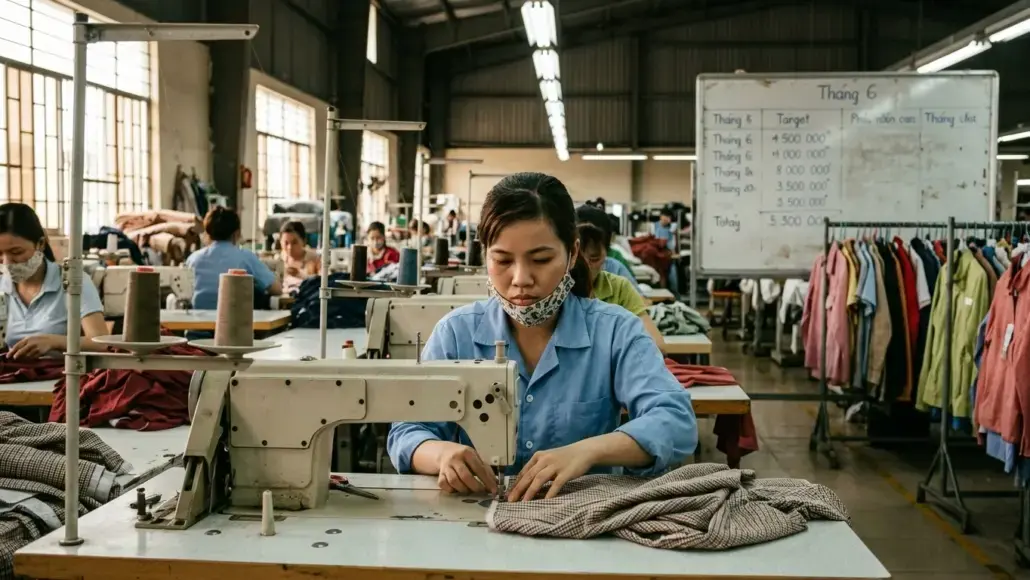
HANOI — Vietnam is facing higher U.S. duty rates compared to its regional rivals, raising concerns over potential impacts on the competitiveness of the Vietnam garment industry. As the leading supplier of clothing to the United States, the nation was excluded from a newly announced program designed to lower trade duties on select textile shipments.
The federal policy change, outlined in a Federal Register notice published Thursday, could impact supply chains for prominent apparel companies with substantial manufacturing operations in Vietnam, including Nike, Gap, Ralph Lauren, and Under Armour. These corporations did not offer immediate comments regarding the announcement.
Differential Tariffs and Competitive Dynamics
Beginning Friday, fresh duties of 10% and 12.5% will be applied to 60 trading partners, attributed to insufficient enforcement measures against forced labor. Under ongoing trade negotiations with the U.S. under the Trump administration, Vietnam is subject to a 12.5% rate, placing it on par with China. Conversely, regional competitors such as Bangladesh, Cambodia, Indonesia, and Malaysia—which have finalized trade agreements—will face lower trade duties of 10%.
These updated levies replace temporary 10% US apparel tariffs that expire Friday. The interim measures were instituted following a U.S. Supreme Court decision in February that struck down reciprocal duties ranging between 10% and 50% previously enacted under emergency authority.
Textile Mechanism and Market Impact
Official U.S. trade statistics show that Vietnam surpassed China last year to become the top exporter of apparel to the American market, while maintaining one of the largest trade surpluses with Washington. The recent regulatory changes leave the Vietnam garment industry facing dual competitive disadvantages against regional competitors.
According to the Federal Register notice, Bangladesh, Cambodia, Indonesia, and Malaysia are the sole nations designated to participate in a new textile mechanism aimed at promoting purchases of American cotton and textile products. The three-year program, set to launch when practical, offers a quota-based system linked to purchases of U.S. raw materials. Eligible garment exports from participating countries may qualify for reduced or zero additional duties on their textile shipments.
Meanwhile, Vietnam’s trade and foreign ministries have not immediately issued statements regarding the new US apparel tariffs.

